Minister Motlatsi Maqelepo Visits Essential Oil Production Plant and Joachim Clothing Manufacturer to Promote Job Creation and Business Growth

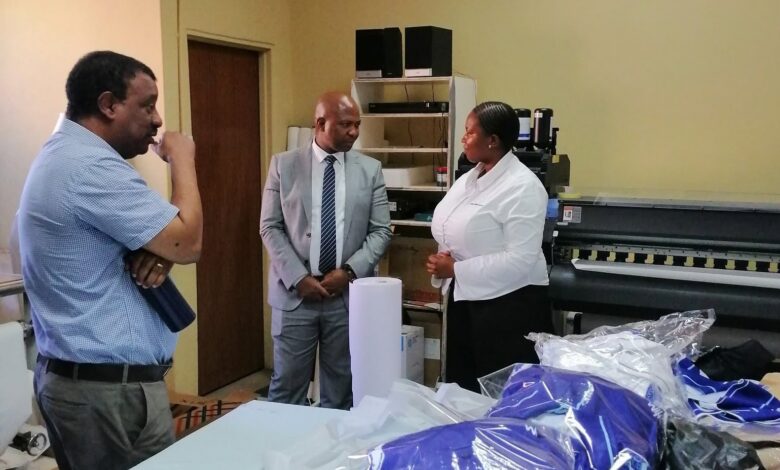
The Minister of Trade, Industry and Entrepreneurship, Hon. Motlatsi Maqelepo, yesterday visited a plant dedicated to extracting essential oils from herbs, plants and fruits, as well as the Joachim clothing manufacturing company. The visits aimed to gain a better understanding of the businesses’ production processes, assess their progress and examine their contributions to job creation and economic development in Lesotho. The Minister also sought to understand the opportunities and challenges these businesses face as they work towards expanding their operations and accessing international markets. Both enterprises represent important examples of how investment in local production and manufacturing can support the growth of Basotho-owned businesses. Their development also reflects the government’s commitment to strengthening the private sector and creating sustainable employment opportunities for the people of Lesotho.
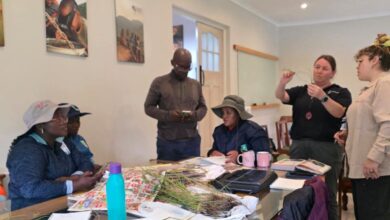
The essential oil extraction plant is an important investment in the country’s potential to develop value-added products from locally available natural resources. The facility focuses on extracting oils from different herbs, plants and fruits to meet the growing demand for cosmetic products and natural oils. Its production capacity is designed to support the manufacture of products derived from yam, wormwood, linseed and sunflower. By providing suitable processing facilities, the plant creates opportunities for producers to transform raw agricultural materials into finished products with greater commercial value. This approach can help strengthen the connection between agriculture, manufacturing and trade while opening new income opportunities for local producers.
One of the main objectives of the essential oil facility is to improve the quality and quantity of locally produced oils so that businesses can compete in international markets. Access to modern processing facilities gives producers an opportunity to increase production volumes while maintaining consistent product quality. This is particularly important for businesses seeking to supply larger markets where buyers expect reliable production standards and consistent product specifications. The facility could also encourage greater participation by local farmers and suppliers who can provide the raw materials needed for essential oil production. Through this type of investment, Lesotho can strengthen its capacity to process agricultural resources locally rather than relying solely on the sale of unprocessed materials.
The development of the essential oil industry also presents opportunities for entrepreneurship and industrial diversification. The growing interest in plant-based ingredients and natural oils provides potential markets for products used in cosmetics and other applications. However, reaching international customers requires more than production capacity. Businesses must also focus on product quality, appropriate packaging, regulatory requirements and reliable supply arrangements. The availability of a dedicated extraction facility is an important step towards addressing some of these production needs. With continued investment and effective market development, the sector has the potential to contribute to manufacturing growth and employment creation in Lesotho.
During his visit, Hon. Maqelepo also toured Joachim clothing manufacturing company, another business that has benefited from European Union support under the RVCL project. The company has made progress in the clothing and textile manufacturing industry, demonstrating the potential of local enterprises to participate in regional and international markets. Through opportunities created by exhibitions in the African region and overseas, Joachim has been able to showcase its products, increase its visibility and expand its business prospects. Participation in these exhibitions has provided an important platform for presenting Basotho manufacturing capabilities to potential customers and business partners. Such opportunities are valuable for local companies seeking to build their brands and establish a stronger presence beyond the domestic market.
The support received through the RVCL project has contributed to creating opportunities for the company’s growth and development. Access to business support initiatives can help manufacturing enterprises improve their competitiveness, explore new markets and strengthen their operations. For Joachim, participation in regional and international exhibitions has been an important part of its efforts to increase recognition and reach a wider customer base. The company’s progress also demonstrates how targeted support can help local businesses overcome some of the barriers associated with market access. As the company expands its activities, its growth creates opportunities to employ more Basotho and contribute to household incomes.
The clothing and textile manufacturing sector remains an important area for economic development because it offers opportunities for employment, skills development and industrial expansion. Companies such as Joachim can contribute to the development of a stronger domestic manufacturing industry by producing locally and building relationships with customers in other markets. Increased participation in international exhibitions can also help businesses understand changing consumer preferences and identify potential commercial partnerships. However, long-term success depends on maintaining product quality, improving production efficiency and developing the capacity to meet customer demand. Continued support for local manufacturers can therefore play an important role in strengthening Lesotho’s position in the regional and international clothing industry.
The two visits highlight different but complementary opportunities for growing the Basotho economy. The essential oil extraction plant demonstrates the potential of agricultural resources to support value addition and the development of new manufacturing products. Joachim clothing manufacturing company, meanwhile, illustrates how local businesses can use external support and international exposure to expand their operations and create employment. Both enterprises show the importance of providing businesses with the infrastructure, resources and opportunities needed to grow. They also demonstrate that economic development requires investment across different sectors, including agriculture, cosmetics production and clothing manufacturing.
The Ministry of Trade, Industry and Entrepreneurship continues to focus on initiatives that support local businesses, encourage entrepreneurship and create employment opportunities. Visits such as these allow the Minister and the department to engage directly with business owners, observe their operations and assess the progress made through development programmes. They also provide an opportunity to identify areas where additional support may be required to help enterprises overcome challenges and expand their market reach. Understanding the experiences of local manufacturers and producers is essential for developing policies and programmes that respond to the practical needs of businesses. Strong cooperation between government, development partners and the private sector can help create a more supportive environment for investment and industrial growth.
The progress made by the essential oil production facility and Joachim clothing manufacturing company reinforces the importance of supporting Basotho enterprises as drivers of economic transformation. Their activities demonstrate how local resources, manufacturing capacity and access to international markets can contribute to business expansion and employment creation. By investing in production facilities, supporting entrepreneurship and improving opportunities for market access, Lesotho can strengthen its domestic industries and create more opportunities for its citizens. The Minister’s visits reaffirm the department’s commitment to growing Basotho businesses, promoting local manufacturing and supporting sustainable job creation. These efforts remain essential to building a stronger national economy in which local enterprises can grow, compete and contribute meaningfully to the country’s long-term development.
Join 'Lesotho News' WhatsApp Channel
Get breaking Lesotho news — delivered directly to your WhatsApp.
CLICK HERE TO JOIN