Ha-Belo Electrification Project Set to Transform Lives, Create Jobs and Boost Economic Growth in Lesotho

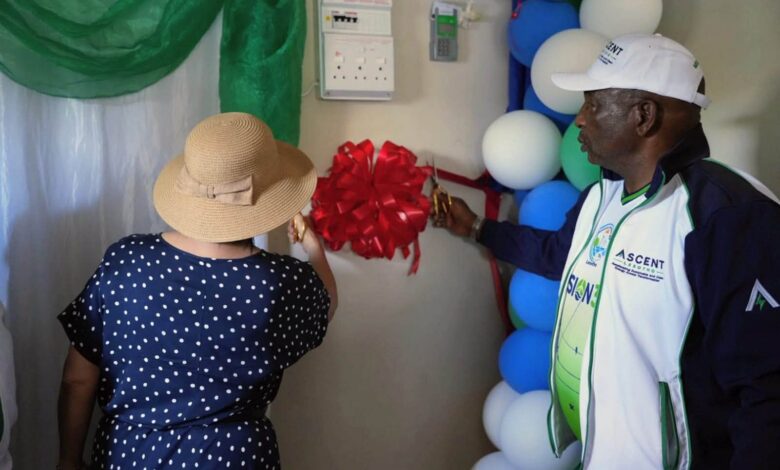
The electrification of Ha-Belo is expected to bring significant economic and social benefits to communities in Butha-Buthe, with the Government of Lesotho highlighting the project as an important step towards improving living standards, creating employment opportunities and supporting industrial development. Prime Minister, the Right Honourable Mr Ntsokoane Matekane, says the project represents much more than providing electricity and connecting households to the national grid. It offers an opportunity to stimulate business growth, reduce crime, improve education and healthcare services and promote safer food preparation for families. The Prime Minister made these remarks during the official launch of the Ha-Belo Electrification Project, which will provide electricity to the Ha-Belo Industrial Estate and 873 households in the surrounding communities. The initiative demonstrates the Government’s commitment to expanding access to electricity while using energy infrastructure to support economic development and improve the quality of life for Basotho.
Speaking at the launch, Prime Minister Matekane emphasised that access to reliable electricity can change the way communities live, work and conduct business. For households, electricity provides opportunities to improve daily activities, access modern appliances and create safer living environments. Children can study more effectively during the evening without depending on candles, paraffin lamps or other traditional lighting methods. Improved access to electricity can also support healthcare facilities by strengthening their ability to operate equipment, preserve medicines and provide essential services. The Prime Minister further highlighted the potential contribution of electrification to crime reduction, noting that better lighting can improve visibility and security in residential areas and public spaces.
The Ha-Belo Electrification Project also carries significant economic importance because it will supply power to an industrial estate expected to accommodate several manufacturing and business operations. According to Prime Minister Matekane, approximately 12 industrial companies have already committed to operating from the factory estate. The industrial estate has the capacity to accommodate around 16 companies, creating opportunities for additional investment and business expansion. This level of interest reflects the importance of reliable electricity in attracting industrial investors and supporting productive economic activities. Without dependable power infrastructure, manufacturing companies often face higher operating costs and difficulties maintaining consistent production.
The potential employment opportunities associated with the Ha-Belo Industrial Estate are particularly significant for communities in Butha-Buthe and the wider Lesotho economy. Prime Minister Matekane indicated that once the project is fully completed and operational, the industrial estate has the potential to employ more than 15,000 people. Such an employment opportunity could make a meaningful contribution towards addressing unemployment, particularly among young people seeking access to stable jobs. Industrial development can also create indirect employment through transport services, suppliers, retail businesses, construction activities and other supporting industries. The growth of businesses around the estate could therefore benefit communities beyond those directly employed by the companies operating there.
For the 873 households expected to benefit from the project, electricity access represents an important improvement in everyday living conditions. Many families without reliable electricity depend on alternative energy sources for lighting, cooking and other domestic activities. These alternatives can increase household expenses and expose families to safety and health risks. Access to electricity can reduce dependence on certain traditional fuels, improve indoor living conditions and provide households with greater flexibility in managing daily activities. It can also create opportunities for small businesses operated from homes, including food preparation, refrigeration, tailoring and other income-generating activities.
The project is also expected to contribute to improved education outcomes in the beneficiary communities. Reliable electricity allows learners to study after sunset, use electronic learning devices and access educational information through digital platforms. Schools with electricity can make greater use of computers, communication equipment and other educational technologies. Teachers can also benefit from improved access to digital resources that support classroom instruction and professional development. Although electricity alone cannot resolve every challenge facing the education sector, it provides an important foundation for expanding learning opportunities and improving access to modern educational tools.
Healthcare services can also benefit from improved electricity infrastructure. Reliable power is essential for operating medical equipment, maintaining refrigeration systems for vaccines and medicines and supporting basic healthcare activities. Health facilities with dependable electricity are better positioned to provide services that require consistent power supply. Communities may also benefit from improved household hygiene and food safety through access to refrigeration and modern food preparation equipment. These improvements can support better health outcomes while reducing some of the risks associated with traditional household energy sources.
Despite celebrating the project’s potential benefits, Prime Minister Matekane acknowledged that delays in its completion resulted in increased expenses. Delays in infrastructure development can create additional financial pressures through rising material costs, extended construction periods and other project-related expenses. Such challenges can affect government budgets and delay the delivery of essential services to communities. The Prime Minister’s remarks highlighted the importance of completing public infrastructure projects within their planned timeframes to avoid unnecessary costs and ensure that communities receive the intended benefits. Efficient project implementation and accountability remain essential for maximising the value of public investment.
The World Bank Country Representative, Ms Dinara Djoldosheva, also addressed the launch, describing the celebration as a reflection of the importance of partnerships aimed at development. She noted that the project demonstrates how cooperation between the Government of Lesotho and development partners can contribute to meaningful improvements in people’s lives. According to Djoldosheva, the electrification initiative goes beyond connecting households and industrial facilities to electricity. It represents hope and new opportunities for communities in Butha-Buthe. Her remarks highlighted the importance of development partnerships in supporting infrastructure projects that address practical needs while contributing to broader national development objectives.
Djoldosheva further explained that the project supports Lesotho’s ambition to connect every household to electricity by 2030. Expanding electricity access remains an important development priority because energy is closely linked to economic growth, education, healthcare and social progress. Connecting underserved communities requires sustained investment, effective planning and cooperation between government institutions, development partners and the private sector. The Ha-Belo project provides an example of how these partnerships can help extend electricity infrastructure to households while supporting industrial development. Its completion offers encouragement to other communities that are still waiting for improved access to reliable energy.
The World Bank representative also emphasised that the value of development partnerships should not be measured only by the completion of infrastructure projects. Their real impact can be seen in the lives they improve and the opportunities they create for communities. Electricity connections can help families improve their living conditions while giving entrepreneurs and investors access to infrastructure needed to establish and expand businesses. Industrial development can also strengthen local economies by creating demand for goods and services from surrounding communities. Djoldosheva concluded by congratulating the Government of Lesotho for honouring its commitment to the community and fulfilling its agreement with the World Bank.
The Minister of Energy and Mining, Honourable Lejone Mpotjoane, reaffirmed the Ministry’s commitment to connecting every household in Lesotho through renewable energy by 2030. He described the Ha-Belo electrification initiative as another important step towards achieving this national objective. His remarks highlighted the Government’s intention to expand energy access while supporting a transition towards more sustainable energy solutions. Renewable energy has the potential to contribute to long-term energy security, particularly as countries seek to reduce their dependence on conventional energy sources. Achieving universal household electricity access will require continued investment in infrastructure, appropriate technologies and effective energy policies.
Minister Mpotjoane also highlighted ongoing efforts to review major policies governing the country’s natural resources. These reviews include areas such as fuel and sand mining, with the intention of introducing amendments that give Basotho greater opportunities to participate in related businesses. He explained that the proposed policy changes are aimed at strengthening local business participation and increasing private sector leadership. This approach reflects the Government’s broader interest in ensuring that the country’s natural resources contribute more directly to national economic development. By creating opportunities for local entrepreneurs and businesses, policy reforms could support investment, employment creation and greater economic participation among Basotho.
The Minister’s comments also point to the relationship between energy development and the wider economic transformation agenda. Reliable electricity is essential for businesses that want to expand production, introduce modern technologies and compete in increasingly demanding markets. At the same time, policies that encourage local participation in natural resource industries can help create additional opportunities for investment and entrepreneurship. Combining infrastructure development with supportive economic policies can strengthen the private sector and improve the country’s ability to attract industrial investment. Ha-Belo’s industrial estate could therefore become an important part of a wider effort to expand productive economic activities in Lesotho.
The involvement of the Government of Lesotho and the World Bank also demonstrates the importance of development cooperation in addressing infrastructure challenges. Large electrification projects require substantial financial resources, technical expertise and coordination between different institutions. Development partners can help governments mobilise resources and strengthen the implementation of projects that might otherwise face financial and technical constraints. However, long-term success also depends on proper maintenance, effective management and the ability of infrastructure to meet growing demand. The Ha-Belo project will need continued attention to ensure that its electricity connections translate into sustainable benefits for households and businesses.
For Butha-Buthe, the launch represents an opportunity to strengthen the area’s position as a centre for economic activity. The industrial estate has the potential to attract companies, support local suppliers and generate employment across different sectors. The surrounding households may also benefit from increased business activity and improved access to services. However, the projected employment opportunities will depend on the successful completion and operation of the industrial estate, as well as the ability of committed companies to establish their businesses and expand production. Ensuring that local residents can access the jobs created will also require appropriate skills development and training opportunities.
The Ha-Belo Electrification Project is therefore an important investment in Lesotho’s energy infrastructure and broader development ambitions. Its benefits extend beyond the provision of electricity to include industrial growth, household improvements, employment opportunities and stronger community development. Prime Minister Ntsokoane Matekane’s remarks underline the Government’s expectation that electrification should deliver practical improvements in people’s lives while supporting economic transformation. The World Bank’s support highlights the value of partnerships in achieving national development goals, while the Ministry of Energy and Mining’s commitment to universal electricity access by 2030 provides a wider policy direction. As Ha-Belo moves towards full operation, the success of the project will ultimately be measured by the businesses it supports, the jobs it creates and the improvements it brings to the 873 beneficiary households and the wider Butha-Buthe community.
Join 'Lesotho News' WhatsApp Channel
Get breaking Lesotho news — delivered directly to your WhatsApp.
CLICK HERE TO JOIN