Thaba-Tseka Welcomes First Newborn as Upgraded Maternal Health Facilities Resume Delivery Services

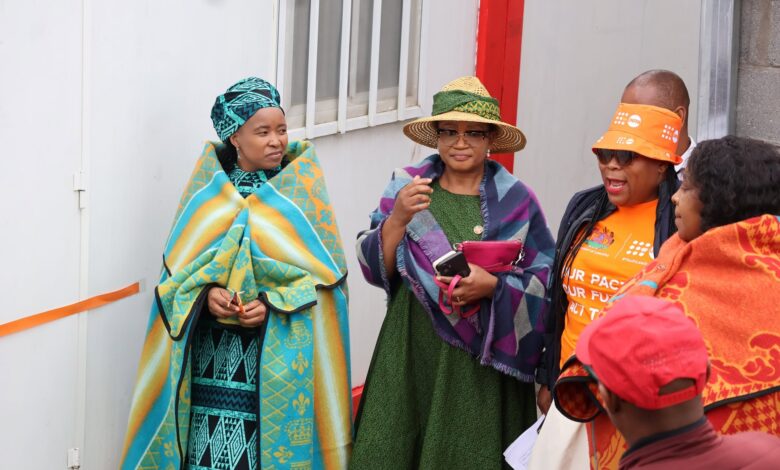
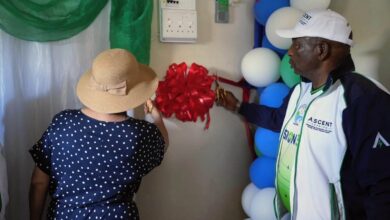
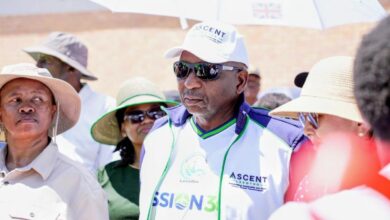
A moment of hope and celebration has unfolded in Thaba-Tseka following the official handover of newly upgraded maternal health facilities at the Thaba-Tseka Health Division. On the very day delivery services resumed, a newborn baby became the first child to be delivered at the improved facility, marking an important milestone for maternal healthcare in the district. The birth represents more than a new beginning for one family. It symbolises renewed hope for expectant mothers and communities, particularly those living in remote mountainous areas where accessing timely and quality healthcare has often been difficult. The development highlights the importance of investing in maternal health infrastructure to ensure that every woman has access to safe childbirth services, regardless of where she lives.
The resumption of delivery services at the Thaba-Tseka Health Division marks a significant improvement in healthcare access for women across the district. Thaba-Tseka is characterised by mountainous terrain and geographically isolated communities, making access to essential healthcare services challenging for some residents. Expectant mothers in remote areas may face difficulties travelling long distances to reach health facilities, particularly when labour begins unexpectedly or complications arise. These challenges can increase the risks associated with pregnancy and childbirth when timely medical assistance is unavailable. Improved maternal health facilities therefore provide an important opportunity to bring essential services closer to women and their families.
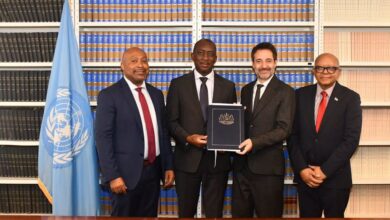
The newly upgraded facilities have been made possible through a partnership involving UNFPA Lesotho, Vodacom Lesotho and Nedbank Lesotho. The collaboration focuses on improving the conditions under which expectant mothers receive care and ensuring that healthcare workers have better facilities to perform their duties. The improvements include upgraded healthcare infrastructure, accommodation for expectant mothers and midwives, new beds and essential medical equipment. These investments are intended to create a more supportive environment for maternal healthcare delivery. They also demonstrate how partnerships between international development organisations and private sector companies can contribute to improving essential public services.
One of the most important improvements is the provision of accommodation for expectant mothers. Access to suitable accommodation near a health facility can make a significant difference for women who live far from medical services. Some expectant mothers may need to travel to a health facility before their expected delivery date, particularly when transport is unreliable or the journey from their homes is difficult. Having a place to stay closer to healthcare professionals can help reduce delays when labour begins. This arrangement can also provide reassurance to women and their families during the final stages of pregnancy.
The provision of accommodation for midwives is equally important in strengthening maternal healthcare services. Midwives play a central role in supporting women throughout pregnancy, labour and the period immediately after childbirth. Their responsibilities include monitoring maternal and newborn health, assisting with deliveries and identifying complications that require additional medical attention. Suitable accommodation can help healthcare facilities maintain access to skilled personnel, particularly in remote communities where attracting and retaining health workers may be challenging. Improving working and living conditions for midwives can therefore contribute to more reliable maternal health services.
The installation of new beds and essential equipment further strengthens the facility’s ability to provide appropriate care. Well-equipped maternity wards are important for ensuring that mothers receive attention in a safe and suitable environment. Medical equipment supports healthcare workers in monitoring patients, assisting with childbirth and responding to different clinical needs. Adequate beds also contribute to patient comfort and help facilities manage maternity services more effectively. While infrastructure and equipment alone cannot guarantee positive health outcomes, they provide an important foundation for delivering quality maternal and newborn healthcare.
The first baby born following the resumption of delivery services gives the facility a special place in the district’s healthcare journey. For the family, the birth marks a personal milestone filled with emotion and celebration. For the wider community, it represents the return of an important service that expectant mothers depend on. It also demonstrates the practical value of investments in healthcare infrastructure because the improved facility is already serving the purpose for which it was upgraded. The birth offers a powerful reminder that behind every healthcare project are real people whose lives can be positively affected by better access to essential services.
Maternal healthcare remains a critical part of public health because pregnancy and childbirth require timely medical attention and professional support. Women need access to antenatal care, skilled assistance during delivery and appropriate postnatal services to protect their health and that of their newborn babies. Healthcare facilities must also be prepared to identify and respond to complications that can arise during pregnancy and childbirth. Conditions such as severe bleeding, high blood pressure and infections require prompt medical assessment and treatment. Improving access to properly equipped facilities and trained healthcare professionals can help reduce preventable risks and support safer pregnancies.
The situation in remote mountain communities makes investments such as the Thaba-Tseka facility upgrade particularly important. Difficult roads, long distances and limited transport options can make emergency referrals challenging. When a pregnant woman experiences complications, delays in reaching appropriate medical care can have serious consequences. Bringing delivery services closer to communities can help reduce some of these geographical barriers. It also strengthens the ability of local healthcare providers to support women before, during and after childbirth.
The involvement of UNFPA Lesotho highlights the importance of supporting maternal health and reproductive healthcare services. Improving access to safe childbirth facilities is closely connected to wider efforts to protect women’s health, promote reproductive rights and reduce preventable maternal deaths. Partnerships that improve healthcare infrastructure can contribute to creating conditions in which women receive respectful, timely and appropriate medical attention. The participation of Vodacom Lesotho and Nedbank Lesotho also demonstrates the potential contribution of private sector organisations to community development. When businesses work alongside development organisations and public institutions, they can help address social challenges that require shared commitment and investment.
The improvements at Thaba-Tseka also highlight the importance of maintaining healthcare infrastructure after official handovers. Facilities require regular maintenance, adequate staffing, essential medical supplies and reliable operational funding to continue delivering quality services. Medical equipment must remain functional, maternity wards must meet appropriate hygiene standards and healthcare workers must receive the support they need. Continued cooperation between government authorities, healthcare providers and development partners will be important in sustaining the benefits of the upgrade. The long-term success of the project will depend on ensuring that women can access dependable services whenever they need them.
Beyond the immediate benefits for mothers and newborns, improved maternal healthcare can strengthen entire communities. When women receive appropriate care during pregnancy and childbirth, families gain greater confidence in local health services. Healthy mothers are better positioned to care for their newborns and participate in family and community life. Access to safe delivery services can also encourage more women to seek professional healthcare rather than relying on unsafe alternatives. These improvements contribute to broader public health goals and support the well-being of future generations.
The first birth at the upgraded Thaba-Tseka Health Division is therefore an important symbol of progress for maternal healthcare in Lesotho. The partnership involving UNFPA Lesotho, Vodacom Lesotho and Nedbank Lesotho has helped improve facilities, provide accommodation for expectant mothers and midwives and introduce essential equipment. These improvements offer renewed hope to women who have faced challenges accessing healthcare because of their geographical location. However, the real measure of success will be the continued delivery of safe, accessible and quality maternal health services to every woman in the district. No mother should lose her life because she lives far from a healthcare facility, and no newborn should be denied a healthy start because of where they are born. Every mother deserves safe childbirth, every newborn deserves quality care and every life matters.
Join 'Lesotho News' WhatsApp Channel
Get breaking Lesotho news — delivered directly to your WhatsApp.
CLICK HERE TO JOIN