Lesotho and Indonesia Strengthen Bilateral Relations Through Talks on Trade, Investment and Economic Cooperation

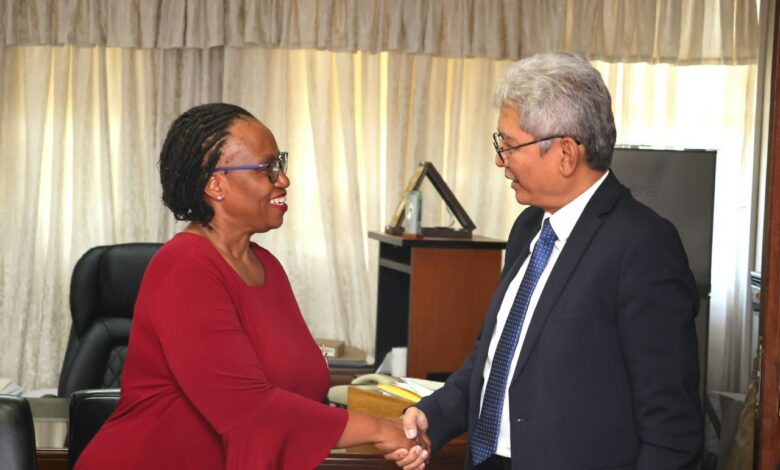
Lesotho and Indonesia are taking steps to strengthen bilateral relations and explore new opportunities for economic cooperation following a meeting hosted by the Ministry of Foreign Affairs and International Relations. The engagement brought together officials from the Ministry and the Embassy of the Republic of Indonesia to discuss ways to deepen diplomatic ties and establish a formal mechanism for bilateral cooperation. The discussions focused on areas with the potential to support economic growth, create employment opportunities and improve skills development in both countries. Key sectors identified for cooperation include agriculture and agro-processing, manufacturing, renewable energy, tourism, information and communication technology, trade and investment, and human capital development. The meeting reflects Lesotho’s continued commitment to economic diplomacy and its efforts to build strategic international partnerships that deliver practical benefits for the country and its people.
The meeting was facilitated through the Ministry’s Directorate of Asia and Pacific Realm, which plays a role in advancing Lesotho’s engagement with countries across Asia and the Pacific region. It followed a reciprocal visit by the Directorate to the Indonesian Embassy in Pretoria, South Africa, in April 2026. This earlier engagement provided an opportunity to strengthen communication and explore areas of mutual interest between the two countries. The latest meeting builds on that diplomatic contact by moving discussions towards more structured cooperation and identifying sectors where both countries could work together. Continued engagement at this level can help establish a clearer understanding of shared priorities and create a foundation for future agreements and joint initiatives.
A key issue discussed during the meeting was the establishment of a bilateral cooperation mechanism between Lesotho and Indonesia. Such a mechanism could provide a structured platform for identifying priorities, coordinating activities and reviewing progress on agreed areas of cooperation. It can also help government institutions maintain regular communication and ensure that discussions translate into practical initiatives. For countries seeking to expand economic and diplomatic relations, a clear framework can improve coordination and provide greater direction for future partnerships. The discussions indicate a shared interest in strengthening the relationship, although the meeting’s announcement does not confirm that a formal mechanism has already been established or that a specific agreement has been signed.
Agriculture and agro-processing emerged as important potential areas for cooperation between the two countries. Agriculture remains relevant to Lesotho’s efforts to strengthen food security, support rural livelihoods and expand economic opportunities beyond traditional employment sectors. Agro-processing can create additional value by transforming agricultural products into goods that can be sold in domestic and international markets. Cooperation with Indonesia could provide opportunities to exchange knowledge, explore investment possibilities and learn from different approaches to agricultural production and processing. Any future initiatives would need to reflect the needs of local producers, available resources and the practical conditions required to make agricultural businesses more productive and competitive.
Manufacturing was another sector highlighted during the discussions, offering potential opportunities to diversify Lesotho’s economy and create jobs. A stronger manufacturing sector can support the production of goods, encourage the development of local supply chains and create demand for skilled workers. International partnerships may help businesses explore new technologies, improve production methods and identify opportunities to access additional markets. For Lesotho, investment in manufacturing could also support broader efforts to expand economic activity and increase the range of employment opportunities available to its citizens. The discussions with Indonesia provide a starting point for exploring areas of mutual interest, although specific manufacturing projects or investment commitments have not been announced.
Renewable energy was also included among the priority areas for potential cooperation. Reliable and affordable energy is important for households, businesses and public institutions, particularly where electricity costs or supply constraints affect economic activity. Renewable energy solutions can contribute to a more diversified energy system while supporting efforts to reduce environmental impacts. Cooperation in this field could involve exchanging technical knowledge, exploring investment opportunities and considering approaches to expanding access to sustainable energy. For Lesotho, progress in renewable energy could support businesses and communities while contributing to the country’s wider sustainable development objectives.
Tourism represents another opportunity to deepen economic links between Lesotho and Indonesia. Both countries have distinctive natural and cultural attractions that can support tourism development and create opportunities for local businesses. Stronger cooperation could help promote tourism-related investment, encourage knowledge sharing and explore ways to improve services for visitors. Tourism can generate income for accommodation providers, transport operators, guides, artisans and other businesses connected to the visitor economy. However, the extent of future cooperation will depend on the priorities identified by both governments and the development of practical initiatives that support sustainable tourism.
Information and communication technology, commonly known as ICT, was also identified as a potential area for collaboration. Digital technologies increasingly influence how governments deliver services, how businesses operate and how people access education and employment opportunities. Cooperation in ICT could create opportunities to exchange expertise, strengthen digital skills and explore technology-based solutions to development challenges. For Lesotho, improving digital capacity can support economic diversification and help businesses participate more effectively in regional and international markets. Partnerships that focus on practical skills, suitable infrastructure and locally relevant innovation could contribute to a more inclusive digital economy.
Trade and investment formed another central part of the discussions between Lesotho and Indonesia. Stronger commercial relations can help businesses identify new markets, develop partnerships and explore opportunities to exchange goods and services. Investment can also support the expansion of productive sectors, introduce new capabilities and create employment when projects are designed to meet local economic needs. Establishing a more structured bilateral cooperation mechanism could help both countries identify potential areas of commercial interest and improve communication between relevant institutions. Nevertheless, the meeting should be understood as a step towards exploring these opportunities rather than evidence that new trade agreements, investment deals or financial commitments have already been concluded.
Human capital development was also highlighted as an important component of the proposed partnership. A country’s economic progress depends not only on investment and infrastructure but also on the knowledge, skills and capabilities of its people. Training, professional exchanges and cooperation between relevant institutions can help workers prepare for changing labour market demands. For Lesotho, skills development is particularly important to efforts aimed at improving productivity, expanding employment opportunities and supporting the growth of emerging industries. Future collaboration in this area could help identify shared training priorities and explore ways to strengthen the capabilities needed for sustainable economic development.
The engagement reaffirmed Lesotho’s commitment to advancing economic diplomacy through strategic international partnerships. Economic diplomacy involves using diplomatic relations to promote trade, attract investment, support business opportunities and strengthen cooperation that contributes to national development. For a country seeking to expand its productive capacity and create more employment opportunities, maintaining constructive relationships with international partners can help open doors to new markets, knowledge and investment. However, the long-term value of these partnerships depends on the ability to turn diplomatic discussions into projects that respond to local needs and produce measurable results. The meeting with Indonesian officials therefore represents an opportunity to develop a more focused relationship around shared economic priorities.
Lesotho and Indonesia also emphasised the importance of South–South cooperation and multilateralism in addressing common development challenges. South–South cooperation refers broadly to collaboration among developing countries to exchange knowledge, experience, technical expertise and other resources in support of development. It can offer countries opportunities to learn from approaches used in different national contexts while identifying solutions suited to their own circumstances. Multilateralism, meanwhile, supports cooperation through broader international frameworks and collective engagement on issues that affect multiple countries. By recognising the importance of both approaches, Lesotho and Indonesia expressed a shared interest in international collaboration as a way to advance development priorities and respond to common challenges.
The meeting between the Ministry of Foreign Affairs and International Relations and officials from the Indonesian Embassy marks a constructive step towards strengthening relations between Lesotho and Indonesia. The discussions identified several sectors where closer cooperation could support investment, employment, skills development and sustainable economic growth. The follow-up to the Directorate of Asia and Pacific Realm’s April 2026 visit to the Indonesian Embassy in Pretoria also demonstrates the value of continued diplomatic engagement. The next stage will depend on how both countries define their priorities, establish appropriate cooperation arrangements and identify practical initiatives that can deliver mutual benefits. By building on this engagement, Lesotho and Indonesia have an opportunity to develop a stronger partnership that supports economic diversification, expands international cooperation and creates lasting development opportunities for their people.
Join 'Lesotho News' WhatsApp Channel
Get breaking Lesotho news — delivered directly to your WhatsApp.
CLICK HERE TO JOIN