European Union Film Festival Lesotho 2026 Returns for Fifth Edition with Free Screenings Across All 10 Districts

Lesotho is preparing to celebrate cinema, creativity and cultural diversity as the fifth edition of the European Union Film Festival Lesotho returns from 28 October to 18 November 2026. Organised by the European Union Delegation to Lesotho and Alliance Française de Maseru, the festival will bring together European and African films, filmmakers, students and audiences for three weeks of cultural exchange. This year’s programme promises a range of film screenings across all 10 districts of Lesotho, making the festival accessible to communities throughout the country. It will also introduce the first-ever Smartphone Short Film Competition, creating an opportunity for young Basotho filmmakers to showcase their creativity and storytelling skills. Another major highlight will be the launch of Khosana e Nyenyane, the first Sesotho translation of The Little Prince, scheduled for 6 November 2026. All festival screenings will be free and open to everyone, encouraging people of different ages and backgrounds to participate in this celebration of film and culture.
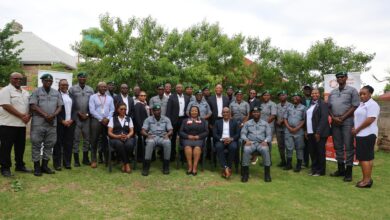
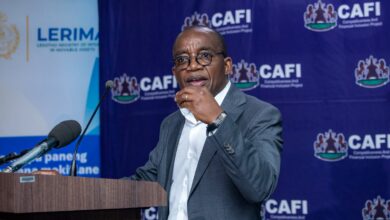
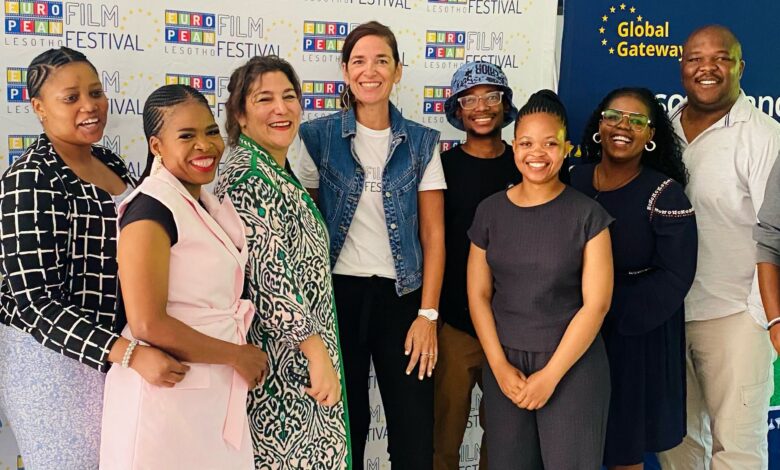
The official programme launch and press conference will be hosted by Alliance Française de Maseru, which has welcomed members of the media to learn more about the fifth edition of the festival. The press conference provides an opportunity to introduce the programme, explain its main activities and highlight the cultural value of bringing European and African cinema to Lesotho. Media participation can help spread information about screening opportunities and encourage audiences across the country to attend. The festival’s organisers are bringing together several cultural partners to create a programme that connects local communities with different cinematic traditions. Through this collaboration, the event aims to make film an accessible way for people to explore new ideas, stories and perspectives.
The European Union Film Festival Lesotho has become a platform for celebrating cinema while encouraging cultural exchange between Lesotho, Europe and the wider African continent. Films offer audiences an opportunity to experience different societies, histories and ways of life through the stories presented on screen. They can also encourage discussion about shared experiences, social challenges, family relationships and cultural identity. By bringing European and African productions together, the festival gives audiences an opportunity to explore similarities and differences between communities. The fifth edition continues this approach by combining film screenings with activities designed to encourage creativity, learning and wider participation.
One of the most notable features of the 2026 festival is its planned reach across all 10 districts of Lesotho. This nationwide approach aims to make cinema available to people beyond the capital and other established cultural centres. Bringing screenings to different districts can give more communities opportunities to experience films that may not otherwise be readily accessible to them. It can also encourage conversations about culture and storytelling in schools, community spaces and other local settings. By extending the festival’s reach, the organisers are creating opportunities for more Basotho people to participate in an international cultural event without needing to travel to Maseru.
The inclusion of both European and African films is central to the festival’s aim of promoting cultural exchange. European cinema encompasses a wide range of languages, traditions and filmmaking styles, while African films tell stories shaped by the continent’s diverse communities, histories and contemporary experiences. Bringing these works together allows audiences to encounter different approaches to storytelling and filmmaking. It also creates opportunities to appreciate how films can reflect local realities while addressing themes that resonate across national borders. For Basotho audiences, the programme offers a chance to explore international cinema while engaging with African perspectives and experiences.
The festival’s first-ever Smartphone Short Film Competition is another important development in the 2026 programme. The competition is designed to celebrate young Basotho filmmakers and encourage them to explore filmmaking through technology that is widely used in everyday life. Smartphones can provide an accessible starting point for people who want to tell stories through video but may not have access to professional cameras or expensive production equipment. Creating a short film still requires planning, storytelling, filming and editing, making the competition an opportunity for young participants to develop practical creative skills. By introducing this initiative, the festival is creating a platform for emerging local talent to share original ideas and participate in Lesotho’s growing creative sector.
Smartphone filmmaking can also help young people understand the different stages involved in producing a film. Participants must consider how to communicate a story clearly, choose suitable locations, record usable sound and organise footage into a coherent sequence. These skills can be developed through practice and collaboration, even when filmmakers work with limited resources. Short films can explore everyday experiences, community concerns, cultural traditions and imaginative ideas in a concise format. The competition may therefore encourage young Basotho creators to experiment with storytelling and discover new ways to express their perspectives through digital media.
Beyond the competition itself, initiatives that support young filmmakers can contribute to the development of creative skills in Lesotho. Film production involves more than directing and acting, as it can also include writing, editing, sound recording, production coordination and visual design. Opportunities to create and present work can help young people recognise their interests and build confidence in their abilities. A public platform can also help local stories reach audiences who might not otherwise encounter them. Although the long-term impact will depend on the opportunities available after the festival, the competition provides a practical starting point for encouraging participation in filmmaking.
Another major highlight of the European Union Film Festival Lesotho 2026 is the launch of Khosana e Nyenyane on 6 November. The book is the first Sesotho translation of The Little Prince, the well-known work by French writer Antoine de Saint-Exupéry. Translating the story into Sesotho creates an opportunity for more readers to experience it in their own language. Language plays an important role in how people connect with literature because it shapes the way stories, ideas and cultural meanings are understood. The launch therefore adds a literary dimension to a festival that already focuses on creativity and cultural exchange through film.
The publication of Khosana e Nyenyane also highlights the value of translation in making international literature accessible to different language communities. Translated works can introduce readers to stories from other cultures while allowing them to engage with those stories through familiar words and expressions. Bringing a recognised literary work into Sesotho can support the visibility of the language in literary and educational settings. It may also encourage readers, teachers and families to explore translated literature alongside locally written books. The launch on 6 November offers the festival an opportunity to celebrate both international storytelling and the importance of making literature available in local languages.
Education is another important part of the festival, with special programmes planned for schools. Film can support learning by helping students explore subjects, characters and experiences in a visual format. Carefully selected films can encourage discussion, critical thinking and creative expression while introducing students to different cultural perspectives. School programmes can also help young audiences understand how stories are developed and how films communicate information and ideas. By including educational activities, the festival aims to extend its impact beyond entertainment and create opportunities for learning through cinema.
The decision to make all screenings free and open to everyone is central to the festival’s public approach. Admission costs can prevent some people from attending cultural events, particularly when household budgets are limited. Free screenings reduce this financial barrier and make participation possible for a wider range of audiences. They can also encourage families, students and community groups to attend together and experience films they might not otherwise choose to watch. Combined with screenings across all 10 districts, free entry supports the festival’s goal of making cultural participation more accessible throughout Lesotho.
The festival is organised by the European Union Delegation to Lesotho and Alliance Française de Maseru, with contributions from Austria, Cyprus, Finland, France, Germany, Italy and Poland. The involvement of these partners reflects the collaborative nature of the programme and its focus on cultural exchange. Cooperation between cultural institutions and international partners can help bring a wider range of films and activities to local audiences. It also creates opportunities to strengthen relationships through shared cultural interests and creative projects. By working together, the organisers and contributing partners are helping deliver a programme that connects European and African stories with audiences in Lesotho.
The economic and social value of cultural events also deserves attention. Festivals can create opportunities for filmmakers, artists, educators and cultural organisations to present their work and engage with the public. They can help audiences discover creative interests and encourage young people to explore careers in film and related fields. Community screenings can also provide spaces where people gather, discuss ideas and learn about experiences beyond their immediate surroundings. The festival’s impact will depend on audience participation and the opportunities that emerge from its activities, but its programme offers several ways to encourage cultural engagement and creative development.
As the fifth edition of the European Union Film Festival Lesotho approaches, the combination of free screenings, nationwide participation, school programmes and creative activities gives the event a broad public focus. The Smartphone Short Film Competition will place young Basotho filmmakers at the centre of one of this year’s new initiatives. The launch of Khosana e Nyenyane will highlight the role of Sesotho in making international literature accessible to local readers. Meanwhile, the selection of European and African films will give audiences opportunities to explore different stories and cinematic traditions. Together, these activities position the festival as a celebration of creativity, language and cultural understanding.
Running from 28 October to 18 November 2026, the European Union Film Festival Lesotho invites audiences to take part in three weeks of cinema and cultural exchange. Its programme brings together international films, local creative talent, educational activities and a literary milestone through the launch of the first Sesotho translation of The Little Prince. The nationwide screenings and free admission are intended to help people across Lesotho participate regardless of their location or financial circumstances. Through the cooperation of the European Union Delegation to Lesotho, Alliance Française de Maseru and its contributing partners, the festival aims to strengthen cultural connections and encourage new forms of creative expression. The fifth edition offers Basotho audiences an opportunity to experience diverse stories, support emerging filmmakers and celebrate the role of culture in bringing communities together.
Join 'Lesotho News' WhatsApp Channel
Get breaking Lesotho news — delivered directly to your WhatsApp.
CLICK HERE TO JOIN