Lesotho Advances Citizen Engagement and Government Accountability Through New Feedback Platform

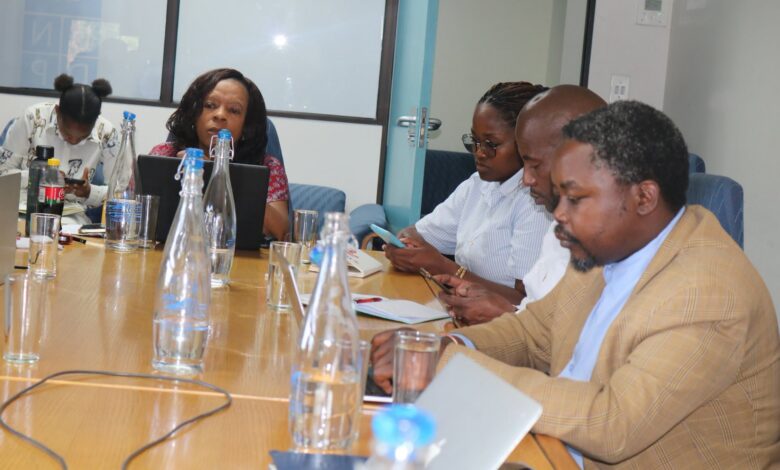
The Government of Lesotho, with support from the United Nations Development Programme (UNDP) in Lesotho, is taking steps to strengthen public participation, government accountability and communication between citizens and public institutions through the development of an integrated Citizens Engagement and Feedback Platform. The initiative aims to give people more accessible ways to raise concerns, share feedback and monitor public projects while helping government institutions respond to issues and report on progress. Discussions held last week focused on improving the processes that will support the proposed platform and ensuring that citizen engagement leads to meaningful action. The initiative builds on the momentum of the 2026 National Accountability Summit and reflects a wider commitment to making public institutions more responsive to the needs of the people. By creating a more continuous system for public feedback, Lesotho aims to strengthen trust between citizens and government while improving transparency in the delivery of public services.
The proposed Citizens Engagement and Feedback Platform is intended to provide a structured way for people to communicate with government institutions about issues that affect their daily lives. Citizens often have direct knowledge of challenges in their communities, including concerns about public services, infrastructure projects and the implementation of government programmes. Giving people a clear channel to share this information can help institutions better understand local needs and identify problems that require attention. The platform is also intended to support the monitoring of public projects, allowing citizens to follow progress and raise concerns when implementation does not meet expectations. Its effectiveness will depend on clear procedures for receiving feedback, assigning responsibility, tracking responses and communicating outcomes to the people who raise concerns.
A central objective of the initiative is to strengthen the relationship between citizens and government through more consistent engagement. Public participation is an important part of accountable governance because it allows people to contribute their experiences and perspectives to decisions that affect their communities. However, meaningful participation requires more than providing opportunities for people to express their opinions. Government institutions must also have processes for reviewing concerns, responding within reasonable timeframes and explaining what action has been taken. An integrated feedback platform could help establish a more organised approach to this process by making it easier to record concerns and follow their progress. If supported by effective procedures and institutional commitment, the system could help citizens see how their feedback contributes to public decision-making and service delivery.
The development of the platform also reflects the importance of transparency in managing public projects. Citizens have a legitimate interest in understanding how government initiatives are progressing, whether planned activities are being implemented and how public resources are being used. Access to reliable information can help communities engage constructively with public institutions and identify issues before they become more difficult to address. A system that supports feedback and project monitoring could provide a clearer record of concerns raised by the public and the responses provided by responsible institutions. This could help government offices identify recurring problems, improve coordination and strengthen reporting on project implementation. The platform’s actual impact will depend on the information made available, the quality of institutional responses and the extent to which citizens can access and use the system.
The initiative builds on the momentum of the 2026 National Accountability Summit, reinforcing the need to move beyond occasional consultations towards continuous citizen engagement. Public consultations can help governments gather opinions at specific moments, but they do not always provide a reliable way for citizens to follow up on issues after meetings have ended. A more continuous system could allow people to raise concerns as they arise and receive updates as institutions work to address them. This approach can also help government departments recognise patterns in public feedback and understand which issues affect multiple communities. By connecting public input with follow-up procedures, Lesotho can work towards a more consistent approach to accountability that extends beyond individual events or consultations.
Support from UNDP Lesotho is an important part of this effort to strengthen governance and public participation. The United Nations Development Programme works with countries on development priorities that include institutional capacity, inclusive governance and improved public services. In Lesotho, cooperation on the proposed platform provides an opportunity to support government institutions as they develop more structured ways to engage with citizens and respond to their concerns. Effective public feedback systems require more than technology alone. They also need trained personnel, clear responsibilities, appropriate data management practices and procedures that ensure feedback reaches the correct institution. Collaboration between the government and its development partners can help strengthen these foundations as the proposed system takes shape.
For the platform to serve citizens effectively, accessibility will be a key consideration. People have different levels of access to digital technology, internet connectivity and the skills needed to use online services. An engagement system that relies entirely on digital access could leave some communities unable to participate fully, particularly where connectivity is limited or digital literacy presents a barrier. The government will therefore need to consider how the proposed platform can accommodate different users and ensure that opportunities to provide feedback remain inclusive. Clear instructions, accessible language and straightforward reporting processes could help more people understand how to use the system. The specific access channels and features of the proposed platform have not been detailed, making it important to distinguish its intended purpose from the final arrangements that may be introduced.
Public trust will also depend on how the platform protects personal information and handles sensitive complaints. Citizens may raise concerns involving public services, local projects or interactions with officials, and some may hesitate to participate if they fear that their information will be misused. Clear privacy safeguards, responsible data handling and appropriate procedures for sensitive submissions can help encourage participation. The system should also make it clear how feedback will be reviewed, which institutions are responsible for responding and what citizens can expect after submitting a concern. Where an issue cannot be resolved immediately, providing an explanation and an update can help maintain confidence in the process. These considerations will be important if the platform is to become a credible channel for communication between the public and government institutions.
The initiative could also help government institutions improve coordination and identify common challenges across different areas of public service delivery. When feedback is recorded and tracked consistently, institutions may be better placed to recognise repeated complaints, monitor response times and identify areas where administrative processes need improvement. This information could support more evidence-based decisions and help public officials prioritise issues that have a significant impact on communities. A shared approach may also make it easier to identify cases that require cooperation between several departments rather than action by a single institution. However, these benefits will depend on how the system is designed, how consistently institutions use it and whether the information collected leads to practical changes in policy or service delivery.
The proposed Citizens Engagement and Feedback Platform represents an important step in Lesotho’s broader efforts to promote accountable governance and meaningful public participation. Its central promise lies in connecting the concerns raised by citizens with clear processes for institutional response, progress tracking and public reporting. The initiative’s development following the 2026 National Accountability Summit signals an intention to make engagement more continuous rather than limited to occasional public meetings. With effective implementation, inclusive access and clear accountability procedures, the platform could help strengthen communication between citizens and government while supporting improvements in public services. Ultimately, meaningful accountability requires more than giving people a voice. It requires institutions to listen, respond and demonstrate how citizens’ concerns lead to action.
Join 'Lesotho News' WhatsApp Channel
Get breaking Lesotho news — delivered directly to your WhatsApp.
CLICK HERE TO JOIN