Lesotho Government and United Nations Celebrate UN Day 2026 with Youth Festival Under the Theme “Building Our Future Together”

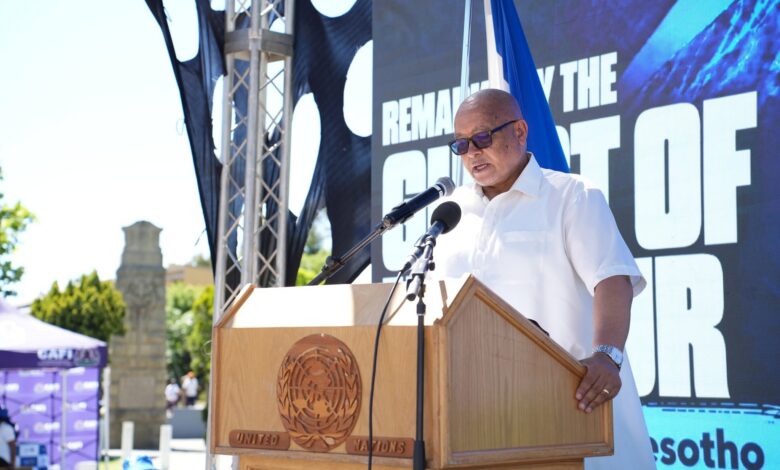
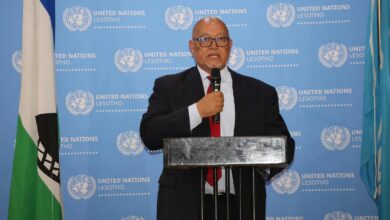
The Government of Lesotho and the United Nations in Lesotho commemorated United Nations Day on October 24, 2026, with a Youth Festival held under the theme “Building Our Future Together.” The event highlighted the importance of young people in shaping the country’s future and strengthening efforts to achieve sustainable development. Representing the government were Honourable Richard Ramoeletsi, Minister of Law and Justice, and Honourable Pitso Lesaoana, Minister of Gender, Youth and Social Development. The celebration brought together United Nations agencies, international partners and local institutions to recognise the value of cooperation in addressing national and global development challenges. It also provided an opportunity to reflect on Lesotho’s longstanding relationship with the United Nations and the shared commitment to improving the lives of its people.
United Nations Day is observed annually on October 24 to mark the anniversary of the entry into force of the United Nations Charter in 1945. The occasion recognises the role of the United Nations in promoting international cooperation, peace, human rights and sustainable development. In Lesotho, the 2026 commemoration placed particular emphasis on youth participation and the importance of creating opportunities for young people to contribute to national progress. The theme, “Building Our Future Together,” highlighted the idea that sustainable development requires cooperation between government, international organisations, local institutions and communities. By placing young people at the centre of the celebration, the event reinforced the importance of including their perspectives, ambitions and needs in decisions that shape the country’s future.
The participation of Honourable Richard Ramoeletsi, Minister of Law and Justice, and Honourable Pitso Lesaoana, Minister of Gender, Youth and Social Development, demonstrated the government’s involvement in the commemoration. Their presence connected the event’s focus on young people with broader priorities relating to justice, social development and youth empowerment. Young people need access to education, employment opportunities, reliable public services and institutions that protect their rights. Addressing these needs requires coordinated action across different sectors of government and society. The Youth Festival therefore provided an opportunity to highlight the importance of policies and partnerships that enable young Basotho to participate meaningfully in national development.
The commemoration also brought together several United Nations agencies, including the United Nations Educational, Scientific and Cultural Organization (UNESCO), the United Nations Children’s Fund (UNICEF), the International Organization for Migration (IOM), the United Nations Population Fund (UNFPA), the World Health Organization (WHO) and the World Food Programme (WFP). Each organisation has a distinct mandate, covering areas such as education, child welfare, migration, reproductive health, public health and food security. Their participation reflected the broad range of issues that influence the well-being and development of young people in Lesotho. Cooperation among these agencies can help align development efforts and address interconnected challenges affecting families and communities. Their involvement also underscored the importance of international partnerships in supporting the country’s national development priorities.
Local institutions CAFI, BEDCO and ECONET also participated in the event, highlighting the role of national organisations and businesses in supporting young people. Their involvement reflected the value of collaboration between public institutions, international partners and local stakeholders. Young people require more than formal education to prepare for adult life and contribute to economic growth. They also need opportunities to develop practical skills, explore entrepreneurship, access information and participate in the digital economy. Partnerships with local organisations can help connect development priorities with the realities young people face in their communities. Bringing these stakeholders together creates opportunities to identify shared goals and encourage initiatives that support youth participation and economic inclusion.
Lesotho’s relationship with the United Nations dates back to 1966, the year the country joined the international organisation following independence. Since then, cooperation between Lesotho and the United Nations has supported efforts to advance development priorities and improve the well-being of the population. This partnership reflects a shared interest in addressing poverty, strengthening public services and expanding opportunities for people across the country. International cooperation can provide technical expertise, institutional support and opportunities to learn from development experiences in other countries. The 2026 UN Day celebration recognised this longstanding relationship while drawing attention to the work that remains necessary to achieve inclusive and sustainable progress.
A central part of the partnership between Lesotho and the United Nations is the promotion of the Sustainable Development Goals, a set of 17 global objectives adopted by United Nations member states in 2015. These goals provide a framework for addressing poverty, inequality, health, education, environmental sustainability and other major development challenges. The 2030 Agenda for Sustainable Development calls on governments and their partners to pursue progress that benefits everyone, particularly people who face barriers to essential services and opportunities. For Lesotho, these priorities are closely connected to improving living conditions, expanding access to quality education and strengthening the systems that support public health and social protection. The Youth Festival offered an opportunity to recognise the importance of sustained cooperation in advancing these shared objectives.
Ending poverty remains a major development priority because financial hardship can limit access to education, nutritious food, healthcare and stable employment. Young people from disadvantaged households may face additional barriers when trying to complete their studies, develop professional skills or establish businesses. Addressing these challenges requires coordinated efforts that support vulnerable families while expanding opportunities for young people to become economically independent. Initiatives that improve access to education, skills development and decent work can help communities build greater resilience. The United Nations partnership provides a framework for cooperation on these issues, although lasting progress depends on effective policies, adequate resources and continued commitment from national stakeholders.
Promoting healthy lives and well-being is another important part of the Sustainable Development Goals. Young people need access to reliable health information, quality healthcare and supportive environments that protect their physical and mental well-being. Public health efforts can also help communities address nutrition, disease prevention and other factors that affect people’s ability to study, work and participate in society. The involvement of WHO, UNICEF, UNFPA and WFP reflects the range of health and welfare concerns that can influence young people’s development. Strengthening cooperation in these areas can help Lesotho pursue a more inclusive approach to health and social development.
Quality education is equally important to the country’s long-term development because it gives young people the knowledge and skills needed to participate in society and contribute to the economy. Inclusive and equitable education means ensuring that learners have opportunities to succeed regardless of their backgrounds or personal circumstances. Education systems must also prepare students for changing labour market needs by supporting practical skills, critical thinking and digital literacy. UNESCO and UNICEF are among the United Nations agencies whose mandates include supporting education and children’s development. Continued cooperation between government, education institutions and development partners can help strengthen learning opportunities and prepare young Basotho for future responsibilities.
The focus on youth at the UN Day 2026 Youth Festival also draws attention to the importance of involving young people in decisions that affect their lives. Young people are not only beneficiaries of development programmes. They can also contribute ideas, identify problems within their communities and help shape practical responses to national challenges. Meaningful participation requires opportunities for dialogue, leadership, civic engagement and skills development. It also requires institutions to listen to young people’s concerns and consider their contributions when designing policies and programmes. By placing youth at the centre of its commemoration, the event reinforced the importance of treating young people as active partners in Lesotho’s development.
The theme “Building Our Future Together” captured the shared responsibility of creating a society in which young people can develop their potential and contribute to national progress. Governments provide leadership through public policy and investment, while international organisations offer specialised expertise and support. Local institutions, businesses and communities also play important roles in creating opportunities and responding to challenges on the ground. Effective cooperation depends on clear priorities, practical action and a commitment to ensuring that development benefits reach the people who need them. The Youth Festival brought these different stakeholders together around a common message of partnership and shared responsibility.
The commemoration of United Nations Day 2026 in Lesotho celebrated the country’s longstanding relationship with the United Nations while highlighting the importance of youth empowerment, education, health and poverty reduction. The participation of government ministers, UN agencies and local institutions demonstrated the range of partnerships involved in advancing sustainable development. Lesotho’s progress towards the Sustainable Development Goals will depend on continued cooperation and practical measures that improve opportunities for its people. Young Basotho must have the resources, skills and support needed to contribute to the country’s economic and social development. By building on its partnership with the United Nations and strengthening the role of young people in national decision-making, Lesotho can continue working towards a more inclusive, equitable and sustainable future.
Join 'Lesotho News' WhatsApp Channel
Get breaking Lesotho news — delivered directly to your WhatsApp.
CLICK HERE TO JOIN