Lesotho Strengthens Economic Planning Skills Through Policy Formulation and Strategic Planning Workshop

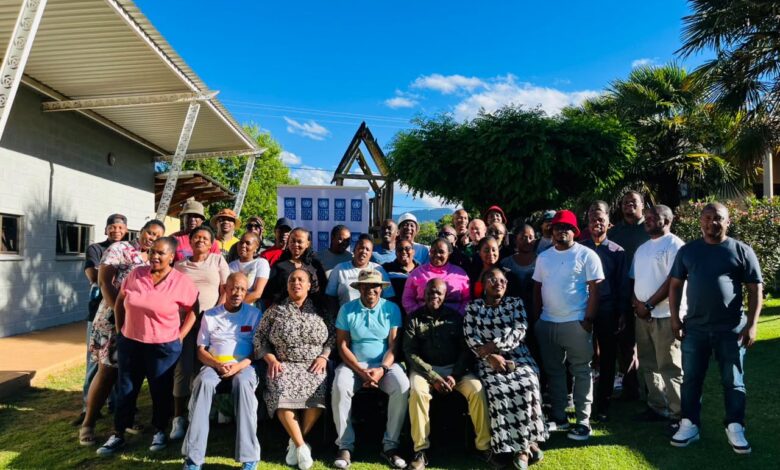
Lesotho is strengthening its national development planning capacity through targeted training aimed at helping government officials turn policy priorities into measurable results for the Basotho people. Participants from the Economic Planning Cadre recently completed a five-day Policy Formulation, Strategic Planning and Implementation Workshop designed to improve their practical skills in evidence-based policymaking, strategic planning and results-based management. The training focused on tools that help public officials develop effective policies, set clear development targets and monitor progress towards national objectives. These skills are particularly important as Lesotho continues working to implement its National Strategic Development Plan II (NSDP II) and sectoral policies. By investing in the professional capacity of economic planners, the country aims to strengthen policy implementation, improve accountability and ensure that development strategies deliver tangible benefits for communities.
The workshop provided participants with practical knowledge to support the full policy development process, from identifying development challenges to planning interventions and assessing their results. Effective policymaking requires more than recognising a problem or setting an ambitious national target. Government officials must also understand the evidence behind policy decisions, identify realistic solutions and establish clear methods for measuring progress. Strategic planning helps connect long-term national objectives with the activities, resources and responsibilities needed to achieve them. Strengthening these capabilities can help improve coordination across government institutions and support more consistent implementation of development programmes.
Evidence-based policymaking was a key area of focus during the training. This approach involves using reliable data, research and analysis to guide government decisions rather than relying solely on assumptions or general expectations. Economic planners need to understand the nature of the challenges facing communities and assess which interventions are most likely to address them. Evidence can help policymakers identify priorities, compare possible solutions and allocate limited public resources more effectively. It can also provide a stronger basis for reviewing existing policies and adjusting programmes when results fall short of expectations. By strengthening these skills, the workshop aimed to support more informed and practical policy decisions across Lesotho’s public sector.
Participants also strengthened their understanding of the Theory of Change, a planning approach used to explain how specific activities are expected to produce intended outcomes. It helps policymakers identify the connection between resources, planned interventions, immediate outputs and longer-term development goals. For example, a government programme may provide training to improve the skills of local entrepreneurs, but the intended outcome may be stronger business performance and increased employment. A Theory of Change helps planners identify the conditions required for that outcome and the assumptions that could affect success. Applying this approach can improve programme design by making the reasoning behind development interventions clearer and helping officials identify what needs to happen for policies to achieve their intended results.
Another important component of the workshop was the use of SMART indicators to strengthen planning and performance measurement. SMART indicators are specific, measurable, achievable, relevant and time-bound, giving policymakers a clearer way to assess whether planned activities are producing the expected results. Without appropriate indicators, it can be difficult to determine whether a programme is progressing as intended or delivering meaningful benefits. Clear indicators help officials define targets, collect relevant information and compare actual performance against planned objectives. They can also make it easier to communicate progress to decision-makers and identify areas requiring additional attention. For Lesotho’s economic planning officials, these tools can support more transparent monitoring of national development priorities and sector-specific programmes.
The workshop further emphasised results-based management, which focuses on achieving and measuring defined outcomes rather than concentrating only on the activities carried out. Under this approach, government institutions establish objectives, identify indicators, monitor implementation and use performance information to guide decisions. This can help planners assess whether public spending and development programmes are contributing to the changes they were designed to achieve. Results-based management also encourages officials to identify implementation challenges early and make adjustments when necessary. When applied consistently, it can strengthen accountability by making responsibilities, targets and expected results clearer. These practices are important for ensuring that development policies lead to practical improvements rather than remaining plans on paper.
The training is closely linked to Lesotho’s National Strategic Development Plan II, which provides a framework for national development priorities. Turning a national strategy into practical results requires coordinated planning across government institutions and sectors. Economic planners must help translate broad objectives into specific programmes, activities, budgets and performance targets that can be implemented and monitored. Sectoral policies also need to align with national priorities while addressing the distinct needs and responsibilities of individual areas of government. Strengthening the skills of the Economic Planning Cadre can therefore support more consistent planning and improve the connection between national ambitions and the programmes designed to achieve them.
Effective implementation remains a critical part of the development process because even well-designed policies can struggle when responsibilities, resources or monitoring arrangements are unclear. Public officials need to understand what must be delivered, who is responsible for each task and how progress will be assessed. Strategic planning provides a structure for coordinating these elements, while performance indicators help institutions determine whether implementation is on track. Regular monitoring can also reveal delays, gaps in capacity or unexpected challenges that require changes to the original plan. By placing greater emphasis on implementation and accountability, the workshop aimed to equip participants with practical approaches that can support more effective delivery of government programmes.
The skills developed through the workshop may also contribute to better coordination between ministries and other public institutions. National development challenges often involve several sectors, making cooperation essential when policies require joint planning or shared resources. Economic planners can help align institutional objectives, identify areas of overlap and establish common measures for assessing progress. Consistent planning methods can also make it easier to compare performance across programmes and identify opportunities to improve the use of public resources. Stronger coordination is particularly valuable when governments must balance competing priorities while working towards long-term development goals. Applying the knowledge gained during the training could help Lesotho strengthen these processes and improve the overall coherence of its development planning.
The United Nations Development Programme (UNDP) Lesotho acknowledged the Ministry of Finance and Development Planning Lesotho for its facilitators, as well as the partners and participants who contributed to the workshop. This recognition highlights the value of cooperation in strengthening public sector capacity and supporting national development objectives. Training initiatives are most useful when participants can apply what they learn to their daily responsibilities and share relevant practices with colleagues. Collaboration between government institutions and development partners can help make such learning opportunities more relevant to national priorities. Continued cooperation may also support the wider adoption of evidence-based planning and results-focused management across public institutions.
Building stronger planning capacity is an important step towards improving development outcomes for the Basotho people. When economic planners use reliable evidence, clear indicators and structured implementation methods, they can help government institutions make better-informed decisions and assess whether programmes are achieving their objectives. These practices can strengthen accountability, improve the use of public resources and support more effective delivery of national and sectoral policies. The five-day Policy Formulation, Strategic Planning and Implementation Workshop has provided participants from the Economic Planning Cadre with practical tools to contribute to these efforts. The lasting value of the training will depend on how consistently those skills are applied in policy development, programme implementation and performance monitoring, helping Lesotho translate its development priorities into measurable and meaningful results for its people.
Join 'Lesotho News' WhatsApp Channel
Get breaking Lesotho news — delivered directly to your WhatsApp.
CLICK HERE TO JOIN