Lesotho Ministry Begins Strategic Plan Consultation Workshop in Mohale’s Hoek for 2027/28–2029/30

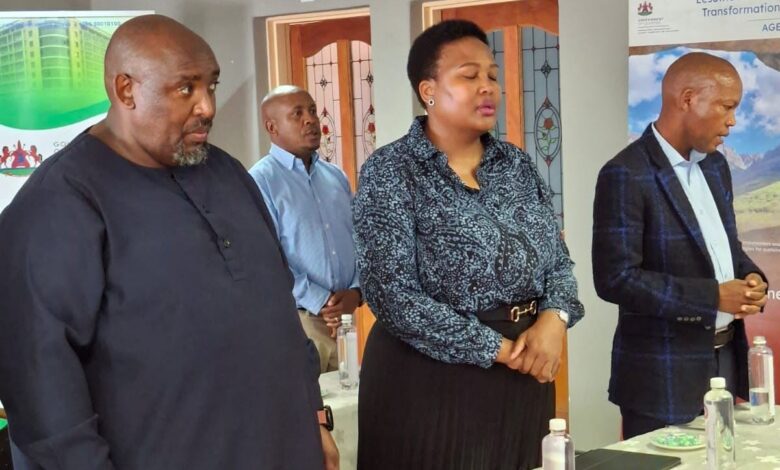
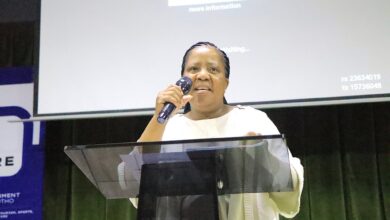
The Ministry of Information, Communications, Science, Technology and Innovation has commenced a five-day Strategic Plan Consultation Workshop in Mohale’s Hoek to shape its priorities and programmes for the 2027/28 to 2029/30 period. The workshop brings together the Minister of Information, Communications, Science, Technology and Innovation, the Principal Secretary and ministry staff to review key priorities and identify strategic interventions for the next three years. The consultations provide an important opportunity for the ministry to assess its responsibilities and determine how its programmes can better respond to the country’s development needs. Through discussions and collaborative planning, participants aim to establish a clear direction for the ministry’s work during the upcoming strategic period. The initiative also highlights the importance of coordinated leadership, staff participation and effective planning in strengthening the delivery of public services in Lesotho.
The five-day consultation workshop is designed to support the development of a strategic plan that will guide the ministry’s programmes and activities from the 2027/28 financial year through to 2029/30. A strategic plan provides an institutional framework for setting priorities, defining objectives and identifying the interventions needed to achieve specific development outcomes. For the Ministry of Information, Communications, Science, Technology and Innovation, this process offers an opportunity to consider how its different responsibilities can contribute to national progress. Participants can examine existing priorities, discuss emerging needs and identify areas where stronger coordination may improve performance. The resulting plan is expected to provide direction for the ministry’s work over the three-year period, although the specific interventions and targets will depend on the outcomes of the consultations.
The involvement of the Minister, Principal Secretary and ministry staff reflects the importance of inclusive consultation in government planning. The Minister provides political leadership and direction, while the Principal Secretary and other officials contribute administrative, technical and operational perspectives. Bringing these roles together allows participants to discuss institutional priorities from different viewpoints and consider the resources and capabilities required to implement them. Staff participation is also important because employees often have direct experience of the challenges that affect programme implementation and service delivery. By encouraging contributions from across the ministry, the consultation process can help establish shared priorities and strengthen understanding of the responsibilities involved in achieving the strategic plan’s objectives.
Aligning the ministry’s strategic plan with national development objectives is another central purpose of the workshop. Government ministries operate within a broader development framework, which requires their policies and programmes to support shared national priorities. Coordinated planning can help reduce duplication, improve the use of public resources and strengthen cooperation between institutions. It can also ensure that activities in information, communications, science, technology and innovation contribute to wider economic and social development goals. The Mohale’s Hoek consultations therefore provide an opportunity for the ministry to consider how its mandate can support national progress while responding to changing public needs.
Information and communications remain important areas of public development because they influence how people access information, communicate and participate in economic and social activities. Effective policies and programmes in these areas can support public awareness, improve access to government information and strengthen communication between institutions and communities. As digital services become increasingly important, government planning must also consider the systems, skills and infrastructure needed to support reliable and accessible communications. The strategic planning process provides an opportunity to review these responsibilities and identify priorities that can improve the ministry’s contribution to national development. Specific measures, however, will need to be established through the consultation process and reflected in the final strategic plan.
Science, technology and innovation also offer opportunities to address development challenges and improve public service delivery. Scientific research can help generate knowledge, while technological solutions can support more efficient processes across different sectors of the economy. Innovation can also encourage new ideas, improve productivity and create opportunities for businesses and communities. For these benefits to reach more people, government programmes need clear objectives, suitable implementation strategies and effective coordination. The ministry’s three-year planning process can help identify how its responsibilities in these areas should be prioritised and integrated into its future programmes.
The workshop also provides a setting for examining the practical requirements of implementing the ministry’s future priorities. Developing a strategic plan involves more than identifying broad ambitions. It also requires consideration of institutional capacity, available resources, responsibilities and methods for measuring progress. Clear objectives and measurable indicators can help government institutions assess whether their programmes are delivering the intended results. Regular monitoring can also identify challenges early and provide opportunities to adjust activities when necessary. Although the details of the ministry’s proposed targets have not been provided, the consultation process offers a foundation for defining a structured approach to implementation and accountability.
The choice of Mohale’s Hoek as the venue places the five-day consultation within one of Lesotho’s districts and provides a setting for the ministry’s leadership and staff to focus on strategic planning. The workshop is intended to create space for reviewing priorities, exchanging ideas and developing a common understanding of the ministry’s direction. Such consultations can help participants identify areas where existing programmes may require adjustments and where new interventions could be considered. They also support communication between leadership and staff before decisions are translated into work plans and operational activities. The value of the process will ultimately depend on how effectively the discussions inform the final strategic plan and its implementation.
The development of the Ministry of Information, Communications, Science, Technology and Innovation Strategic Plan for 2027/28–2029/30 marks an important stage in preparing the institution for its next three years of work. Through consultation, the ministry aims to establish priorities that support coordinated planning and align its programmes with Lesotho’s national development objectives. The participation of the Minister, Principal Secretary and ministry staff provides an opportunity to combine leadership direction with operational experience. A clear and practical strategic plan can help guide resource allocation, improve coordination and provide a basis for monitoring progress. As the five-day workshop continues, its lasting impact will depend on the ministry’s ability to turn the agreed priorities into focused programmes, measurable results and meaningful contributions to the country’s development.
Join 'Lesotho News' WhatsApp Channel
Get breaking Lesotho news — delivered directly to your WhatsApp.
CLICK HERE TO JOIN