Ministry of Public Works and Transport Engages Motor Vehicle Traders Over Tariff and Licensing Concerns in Lesotho

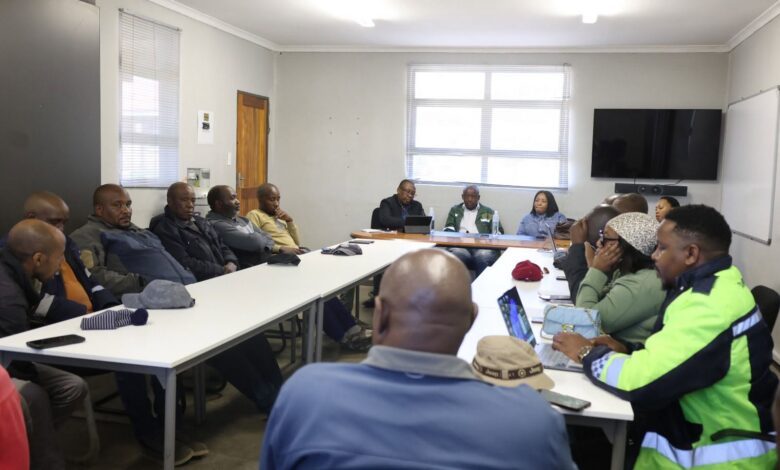
The Ministry of Public Works and Transport, through the Road Transport Board, has visited Mokhotlong and Thaba-Tseka districts to address concerns raised by motor vehicle traders about tariffs, trade licences and other challenges affecting their daily operations. The visit provided an opportunity for traders to present their grievances directly to the Ministry and the Board and seek solutions to issues they say are making it difficult to conduct business. Among their main concerns are the motor vehicle tariffs announced in May, which traders consider too low in relation to the costs involved in running their businesses. They also raised challenges surrounding the issuance of trade licences, the practice known as “catch a ride” and the absence of price lists on some routes. The engagement forms part of efforts to understand these concerns and identify practical measures that could help improve the operating environment for motor vehicle traders in Lesotho.
The delegation met with representatives of motor vehicle traders who had been sent to appear before route committees in Mokhotlong and Thaba-Tseka. These representatives were tasked with communicating the difficulties experienced by traders and seeking clarification from the relevant authorities. The meetings created an opportunity for both sides to discuss the issues affecting the motor vehicle trade and consider possible ways forward. For traders, direct engagement with the Ministry and the Road Transport Board offered a chance to explain how current tariffs and administrative processes affect their businesses. For the authorities, the discussions provided an opportunity to hear the concerns and clarify their position on the matters raised.
One of the main issues discussed during the visit was the new motor vehicle tariffs announced in May. Traders argued that the tariffs were too low when compared with the substantial costs involved in operating their businesses. Running a motor vehicle trading business can involve expenses related to purchasing vehicles, transporting them, maintaining them and meeting applicable regulatory requirements. Traders believe that these costs should be carefully considered when tariffs are calculated or reviewed. They therefore called on the Ministry and the Road Transport Board to examine the figures thoroughly, particularly where there are concerns that incorrect calculations may have influenced the announced rates. Their position reflects a broader concern about ensuring that tariff decisions take account of the financial realities faced by businesses.
Tariff levels can have a direct effect on the way businesses plan their operations and manage their expenses. When traders believe that official rates do not reflect the costs of doing business, they may seek clarification or request a review of the calculations used to determine those rates. Such discussions can help authorities understand the concerns of affected businesses while explaining the basis for their decisions. In this case, the traders specifically questioned whether the May tariffs had been calculated correctly and asked for the matter to receive careful attention. The Ministry and the Board listened to their concerns and explained that they would not reverse the fee increases the traders were seeking to have adjusted, while indicating that the issues raised would be addressed. The precise calculations behind the tariffs and any subsequent changes were not detailed in the information provided about the visit.
In addition to the tariff dispute, traders raised concerns about the issuance of trade licences. Licensing is an important part of regulating business activities because it establishes the requirements that operators must meet before conducting certain commercial activities. However, delays, unclear procedures or difficulties navigating administrative requirements can create challenges for businesses that need the necessary documentation to operate. The traders indicated that licensing issues were affecting their daily activities and required attention from the responsible authorities. Addressing these concerns may involve clarifying application procedures, improving communication and ensuring that traders understand the requirements they must fulfil. The Ministry’s engagement provides an opportunity to identify the specific problems and determine what administrative measures may be appropriate.
The practice known as “catch a ride” was another issue raised during the meetings. The term was identified as a concern by the traders, although the precise circumstances and regulatory questions surrounding the practice were not specified in the information provided. For the authorities to respond effectively, it will be important to understand how the practice affects licensed traders and whether the concerns relate to competition, compliance or the operation of transport services. Clear communication between traders and the relevant regulatory bodies can help establish the nature of the problem and identify suitable responses. The discussions in Mokhotlong and Thaba-Tseka brought this issue to the attention of the Ministry and the Road Transport Board. Further clarification from the relevant authorities would help establish what measures, if any, will be introduced to address it.
The absence of price lists on some routes was also raised as a concern during the engagement. Clear and accessible price information can help customers understand the charges that apply to a service and make informed decisions before paying. For businesses and service providers, consistent pricing information can also reduce misunderstandings and disputes with customers. Where price lists are required, ensuring that they are available and displayed appropriately can support transparency and improve compliance with applicable rules. The traders’ concerns suggest that the availability of price lists remains an issue on certain routes and requires attention. Addressing this matter could help improve communication between operators, customers and the authorities responsible for overseeing transport-related activities.
Following the discussions, the Ministry and the Road Transport Board indicated that the concerns raised would be dealt with promptly to help traders conduct their businesses more smoothly. The delegation’s response signalled a willingness to engage with the issues presented, although it did not amount to a confirmed reversal of the disputed tariffs. The traders had asked for the May rates to be reviewed because they believed the figures were too low in relation to their operating costs. The authorities explained their position on the fees while promising to address the broader concerns brought before them. The effectiveness of the engagement will depend on the specific actions taken, the clarity of communication with traders and the progress made in resolving the identified administrative and operational problems.
The planned visit to Qacha’s Nek district is expected to extend the engagement to another group of motor vehicle traders. The delegation indicated that it would travel to the district during October to listen to similar concerns, with the exact date to be announced once arrangements have been finalised. This planned meeting could provide an opportunity for traders in Qacha’s Nek to explain their experiences and seek clarification on the issues affecting their businesses. It would also allow the Ministry and the Road Transport Board to hear whether the concerns raised in Mokhotlong and Thaba-Tseka are shared by traders in other parts of the country. Consulting businesses across different districts can help authorities develop a clearer understanding of the challenges facing the sector. The outcomes of these engagements may inform further discussions about tariffs, licensing procedures and other matters requiring administrative attention.
The Ministry of Public Works and Transport’s engagement with motor vehicle traders in Mokhotlong and Thaba-Tseka highlights the importance of communication between businesses and the authorities responsible for regulating their activities. The disputed May tariffs, trade licensing difficulties, concerns about “catch a ride” and missing price lists remain key issues raised during the meetings. While the Ministry and the Road Transport Board have indicated that they intend to address the concerns, traders will need clear information about the steps taken and any resulting changes. The planned visit to Qacha’s Nek will provide another opportunity to hear from affected businesses and continue the dialogue. Sustained engagement, transparent procedures and clear explanations of regulatory decisions will be important in resolving concerns and helping motor vehicle traders operate within a consistent and understandable framework in Lesotho.
Join 'Lesotho News' WhatsApp Channel
Get breaking Lesotho news — delivered directly to your WhatsApp.
CLICK HERE TO JOIN