Vodacom Lesotho Foundation Renovates St Agela Home for Disabled Children in Maseru

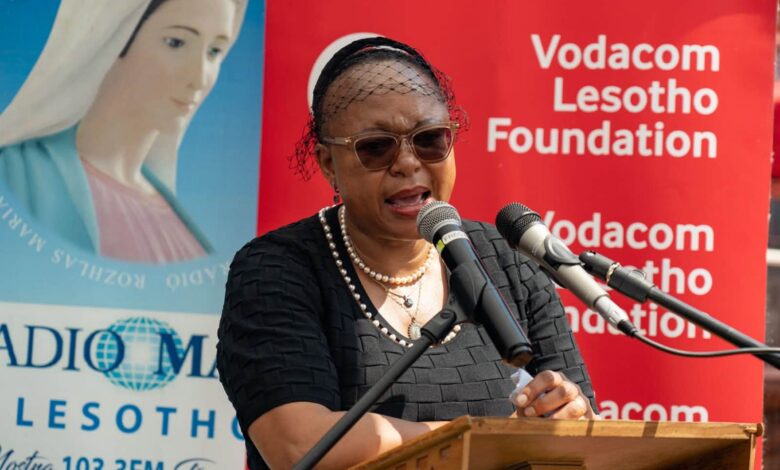
The Vodacom Lesotho Foundation has strengthened its commitment to social reintegration and inclusion by completing the renovation of shelters at St Agela Home for Disabled Children in Ha Seleso, Maseru. The foundation visited the facility earlier to celebrate the completion of the project with the children and staff who depend on the home. The renovation addresses serious challenges that affected the shelters, particularly during Lesotho’s rainy season. Among the improvements was the replacement of damaged roofing that had allowed rainwater to enter the shelters and create difficult conditions for the children. The initiative reflects the Vodacom Lesotho Foundation’s broader commitment to supporting vulnerable communities and ensuring that people are not excluded from opportunities and basic support because of their health status.
The condition of the shelters was one of the main reasons the renovation became necessary. The roofs were reportedly leaking so badly during the rainy season that children had to deal with water entering their living spaces. Such conditions can create significant difficulties for children and staff, particularly at a facility responsible for providing care, safety and support to children with disabilities. The re-roofing project has therefore addressed an immediate infrastructure problem and created more suitable shelter for the children. Improving the physical environment of the home can also contribute to the dignity, comfort and wellbeing of the people living and working there.
The renovation carried out by the Vodacom Lesotho Foundation went beyond replacing the leaking roofs. The foundation also supported the installation of solar geysers at the facility, providing an alternative way of heating water through solar energy. Solar water heating can help institutions manage their energy needs while making use of a renewable source of energy. The project also included pumps designed to increase the rate at which water enters the tanks, helping improve the facility’s water supply system. These improvements address practical needs that can make everyday operations at the home more manageable for both the children and staff.
Access to reliable water is particularly important in a residential care facility. Water is needed for drinking, cooking, cleaning, bathing and maintaining hygienic living conditions. When water supply systems do not work efficiently, staff can face additional challenges in meeting the daily needs of residents. The installation of pumps at St Agela Home is intended to improve the rate at which water reaches the storage tanks and support a more dependable supply. Combined with the installation of solar geysers, the improvements form part of a broader effort to strengthen essential services at the facility.
The Vodacom Lesotho Foundation has also pledged to support the children at St Agela Home with groceries for the entire year. Food support can provide important assistance to a facility that has ongoing responsibilities for the care and wellbeing of children. Regular access to groceries can help reduce some of the pressure associated with meeting daily household and care requirements. The commitment also extends the foundation’s involvement beyond the renovation project, providing continued support after the infrastructure improvements have been completed. This approach shows that the foundation’s contribution is intended to address both the physical environment and some of the ongoing needs of the children.
The celebration at St Agela Home provided an opportunity for the Vodacom Lesotho Foundation to spend time with the children and staff following the completion of the renovation work. Such engagement can be important because social support involves more than financial contributions or infrastructure projects. Spending time with children and recognising their experiences can help promote a sense of inclusion and community. It also allows organisations supporting care facilities to better understand the everyday realities faced by residents and staff. The visit therefore combined the completion of a practical project with an opportunity to celebrate together with the people who will benefit from the improvements.
The foundation’s contribution forms part of its stated role in social reintegration in Lesotho. Social reintegration involves creating conditions that allow people who may face barriers because of disability, health status or other circumstances to participate more fully in society. Supporting institutions that care for children with disabilities can contribute to this broader objective by improving their living conditions and access to essential resources. Infrastructure improvements can provide a safer and more comfortable environment, while continued support can help address some of the practical needs of residents. The work at St Agela Home demonstrates one way corporate social investment can be directed toward people and communities that require additional support.
During the ceremony, the CEO of the Vodacom Lesotho Foundation explained that the contribution forms part of a commitment to ensure that no Mosotho is left behind because of their health status. This commitment places inclusion at the centre of the foundation’s social support activities. For children with disabilities, inclusion involves recognising their needs and ensuring that they have access to environments where they can live with dignity and receive appropriate care. It also involves challenging circumstances that can prevent vulnerable people from enjoying basic services and opportunities. The foundation’s intervention at St Agela Home represents a practical expression of that commitment through improvements to the facility and ongoing assistance to the children.
The CEO of St Agela Home, Sister Reginah Ntisa, expressed appreciation to the Vodacom Lesotho Foundation for its contribution. Her response reflects the importance of partnerships between care institutions and organisations that can provide financial, material and technical support. Facilities caring for children often have continuing needs that cannot always be addressed through their regular resources. Support from external partners can help institutions undertake improvements that would otherwise be difficult to finance. In the case of St Agela Home, the partnership has resulted in renovated shelters, improvements to the water system, solar geysers and a commitment to provide groceries throughout the year.
The renovation also demonstrates how corporate social responsibility can address specific problems within local communities. Instead of providing support without a defined purpose, the Vodacom Lesotho Foundation’s contribution focused on infrastructure and essential resources identified as important to the home. Replacing leaking roofs directly responds to a problem that affected the children during rainy weather. Improving water systems responds to another practical need that affects daily life at the facility. The grocery commitment then provides longer-term assistance that can continue supporting the children beyond the completion of the construction work.
The use of solar geysers at St Agela Home also introduces an element of sustainability to the project. Solar energy can provide a renewable source for heating water and reduce reliance on conventional energy sources for that purpose. For institutions with ongoing operational needs, improvements that use renewable energy can form part of efforts to manage resources more efficiently. The addition of water pumps also demonstrates attention to the practical systems needed to keep a residential facility functioning effectively. Together, these interventions show that social investment can address immediate challenges while also incorporating solutions designed to support longer-term facility operations.
The situation at St Agela Home also highlights the importance of maintaining infrastructure at facilities that care for children with disabilities. Buildings, roofs, water systems and other essential facilities directly affect the quality of the environment in which children live. Problems such as leaking roofs can become especially difficult when residents require additional assistance with movement and daily activities. Ensuring that shelters remain secure and suitable is therefore an important part of providing a safe care environment. Investment in infrastructure can support staff in carrying out their responsibilities while giving children a more appropriate place to live.
The work at St Agela Home comes at a time when businesses and foundations in Lesotho continue to play a role in supporting social development alongside government and community organisations. Partnerships of this nature can help mobilise additional resources for projects that address specific needs. The Vodacom Lesotho Foundation’s involvement demonstrates how a corporate foundation can use its resources to support a vulnerable group through a combination of infrastructure improvements and ongoing material assistance. The effectiveness of such initiatives depends on understanding the needs of beneficiaries and maintaining engagement after the initial intervention. Continued collaboration with the facility can help ensure that the support remains connected to the needs of the children and staff.
For the children and staff at St Agela Home, the completed renovation represents a practical improvement to their daily environment. A secure roof can provide protection from rain, while improved water systems can support essential household and hygiene activities. Solar geysers can provide access to heated water through the use of solar energy, adding another useful improvement to the facility. The grocery commitment also provides an additional form of support that can continue throughout the year. Together, these contributions address several practical needs while reinforcing the importance of providing dignified living conditions for children with disabilities.
The Vodacom Lesotho Foundation’s visit to St Agela Home for Disabled Children in Ha Seleso, Maseru, has highlighted the value of targeted social investment and community partnerships. The completed renovation has addressed leaking shelters through re-roofing while the installation of solar geysers and water pumps has strengthened essential services at the facility. The foundation’s pledge to provide groceries for the entire year also extends its support beyond the infrastructure project and provides continued assistance to the children. The commitment to ensuring that no Mosotho is left behind because of their health status places inclusion and dignity at the centre of the initiative. By improving the living environment and supporting the ongoing needs of the children, the Vodacom Lesotho Foundation has made a practical contribution to social reintegration and the wellbeing of children at St Agela Home.
Join 'Lesotho News' WhatsApp Channel
Get breaking Lesotho news — delivered directly to your WhatsApp.
CLICK HERE TO JOIN