Lesotho Government Advances Whole Of Government Digital Transformation Assessment

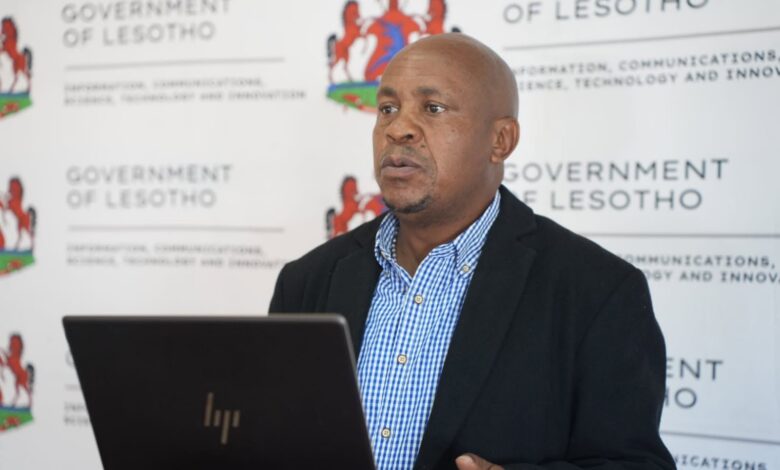
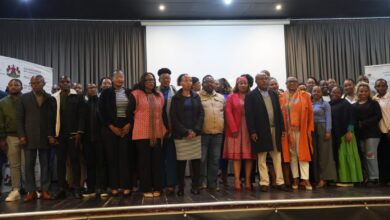
The Ministry of Information, Communications, Science, Technology and Innovation, in collaboration with the United Nations Development Programme (UNDP), is assessing Lesotho’s readiness to implement digital transformation across government. The latest engagement was held at Lancers Inn as officials and stakeholders discussed the Whole-of-Government Digital Readiness Assessment (DRA). The assessment has been underway for several months and is intended to establish how prepared ministries and government institutions are to adopt digital public transformation. The process is examining the systems, capabilities and institutional arrangements needed to support more coordinated use of digital technologies across government. Its findings are expected to provide important information for strengthening the country’s approach to digital public services.
The Digital Readiness Assessment focuses on the ability of government institutions to move towards a more coordinated digital environment. Rather than allowing individual ministries to develop disconnected systems and services, the Whole-of-Government approach encourages institutions to work towards shared objectives. This requires ministries to examine their existing mandates, internal processes, data and public services as part of a wider digital transformation agenda. It also requires institutions to understand the resources and capabilities needed to make digital changes effective. The assessment therefore provides an opportunity to identify areas where government institutions may need stronger coordination, investment or institutional capacity.
UNDP consultant Dr. Mweene Monze explained that the Whole-of-Government approach seeks to promote coordinated digital transformation across ministries and government institutions. Under the model, individual ministries are expected to take ownership of transforming the way they deliver their respective mandates, processes, data and services. This means digital transformation is not viewed solely as an ICT responsibility but as an institutional responsibility that involves different areas of government. Ministries need to understand how technology can improve their operations and the services they provide to citizens. The approach also places responsibility on institutions to actively participate in the transformation of their own services.
The engagement highlighted the importance of investment and assets in supporting successful digital transformation. Government institutions need appropriate digital infrastructure, systems and other resources if they are to improve the way they deliver services. Investment also needs to be supported by effective planning so that resources contribute to sustainable transformation rather than isolated technology projects. The assessment can help identify gaps that may affect the ability of ministries to implement digital initiatives. Understanding these gaps is important for determining where resources and institutional attention may be required.
Coordination was another key issue discussed during the engagement. A Whole-of-Government digital environment requires ministries and institutions to communicate and work together rather than develop systems and processes in isolation. Better coordination can help reduce duplication and improve the ability of government institutions to share information and deliver connected services. It can also help create greater consistency in how digital systems are developed and managed across government. Effective coordination will therefore remain an important part of Lesotho’s efforts to strengthen digital public transformation.
Accountability and institutional capacity were also identified as important elements of the digital transformation process. Digital systems alone cannot transform government services if institutions do not have the people, structures and processes needed to use and manage them effectively. Ministries need clear responsibilities and appropriate mechanisms for tracking progress as digital initiatives are implemented. Institutional capacity also includes the ability of officials to understand, manage and adapt to new technologies and digital processes. Strengthening these areas can help government institutions move from planning digital transformation to implementing changes that improve services.
The engagement also placed attention on the role of ICT teams within government. ICT professionals can provide the technical support and expertise needed to enable digital transformation across ministries. However, the discussions emphasised that ICT teams should act as enablers rather than carry sole responsibility for transforming government services. Individual ministries remain responsible for identifying how digital technologies can improve their mandates and services. This division of responsibility can help ensure that technology decisions remain connected to the actual needs and functions of each government institution.
The Whole-of-Government model was adopted in 2024 as a framework for improving coordination and strengthening the delivery of government services through digital technologies. Its implementation requires government institutions to look beyond individual technology projects and consider how their systems and services fit into a broader government environment. The model can support efforts to create more coordinated approaches to digital public services while encouraging ministries to take ownership of their transformation programmes. It also provides a basis for identifying common challenges and opportunities across government. The Digital Readiness Assessment is part of the process of understanding how prepared institutions are to work within this framework.
For citizens, the broader objective of digital transformation is to improve access to government services and make interactions with public institutions more efficient. Digital technologies can provide new ways for people to access information, submit applications and interact with government without relying entirely on traditional processes. However, achieving these benefits requires reliable infrastructure, capable institutions, secure systems and coordinated implementation. The readiness assessment can help identify the conditions that need to be strengthened before digital services can be expanded effectively. It also provides government with an opportunity to consider the practical challenges that could affect implementation.
The engagement between the Ministry of Information, Communications, Science, Technology and Innovation and UNDP represents another step in Lesotho’s efforts to strengthen digital government. The Whole-of-Government Digital Readiness Assessment can provide a clearer picture of the capabilities, resources and coordination mechanisms needed for public sector transformation. Its focus on investment, accountability, institutional capacity and collaboration reflects the need for more than technology alone to achieve sustainable digital change. Ministries will remain central to transforming their own mandates and services, while ICT teams provide the technical support required to make those changes possible. As Lesotho continues implementing the Whole-of-Government model adopted in 2024, the assessment can help guide efforts to build a more coordinated digital public sector and improve the delivery of government services.
Join 'Lesotho News' WhatsApp Channel
Get breaking Lesotho news — delivered directly to your WhatsApp.
CLICK HERE TO JOIN