GEM Institute Launches Peacing the Nations Project to Promote Basotho Heritage Through Art

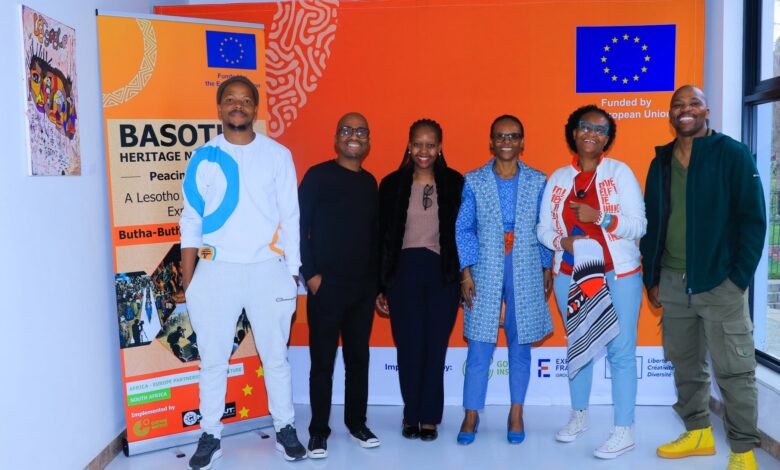
The Gender, Entrepreneurship Empowerment and Media (GEM) Institute has launched the Peacing the Nations Project, a new initiative aimed at promoting Lesotho’s cultural heritage through artistic storytelling and collaboration. The project was launched in Maseru on Monday and brought together artists, cultural practitioners and other stakeholders interested in preserving and promoting African heritage. The initiative will create opportunities for creatives to explore the history and identity of the Basotho nation through different forms of artistic expression. It will also connect artists from six Southern African countries, creating a platform for regional collaboration and cultural exchange. The project comes as growing attention is being placed on the importance of African communities telling their own stories and preserving their heritage for future generations.
Speaking at the launch, Lesotho National Commission for UNESCO Secretary General Mrs Mabafokeng Seala said the project provides an important opportunity for Basotho artists to showcase their abilities while promoting the country’s cultural heritage. She encouraged artists to take advantage of the opportunities created through the initiative and to work together across different creative disciplines. Seala also reminded artists that mistakes form part of the learning and development process, particularly when working on ambitious creative projects. Her message placed emphasis on collaboration, confidence and a willingness to learn from challenges. The initiative therefore aims not only to produce creative works but also to strengthen relationships among artists and create an environment where they can develop their skills.
GEM Institute Founder and Director Mrs Mpho Letima said the Peacing the Nations Project forms part of the Heritage Narratives initiative, which seeks to give African artists the opportunity to tell their own stories in their own way. She said the project will focus on the founding of the Basotho nation and the importance of ensuring that its history is presented from a place of truth. This focus is particularly important because cultural storytelling can influence how future generations understand their identity and history. Letima said preserving these narratives will help ensure that important aspects of Basotho heritage are not lost over time. The project will therefore combine research, creativity and collaboration to develop artistic works that reflect the history and experiences of the Basotho people.
The project will bring together nine artists from six Southern African countries, namely Lesotho, Namibia, Botswana, Eswatini, Zimbabwe and South Africa. These artists will work together to create artistic works inspired by Lesotho’s heritage and the history of the Basotho nation. The participation of creatives from different countries is expected to introduce new perspectives while creating opportunities for artists to learn from one another. The project also provides a platform for cultural exchange across Southern Africa, allowing artists to explore how different creative practices can be used to communicate historical narratives. By bringing together disciplines and experiences from across the region, the initiative has the potential to produce work that reaches audiences beyond Lesotho.
Letima said GEM Institute has already embarked on a research journey to ensure that the creative work produced through the project is informed by historical and community knowledge. The institute has been consulting communities and visiting heritage sites to gather information about the formation of the Basotho nation and the history of King Moshoeshoe I. This research process is intended to provide artists with a stronger understanding of the historical material they will explore through their work. Community consultation can also help ensure that heritage narratives are developed with greater sensitivity to local knowledge and lived experiences. The research will provide an important foundation for artists as they translate historical information into film, music, literature, fashion and other creative forms.
Artists from different creative fields have been encouraged to participate in the project and explore ways of working together. The initiative is open to disciplines including film, fashion, music, literature and visual arts, creating space for different forms of storytelling. Collaboration between these fields could allow artists to combine their skills and develop projects that communicate heritage in ways that appeal to different audiences. For example, filmmakers can work with musicians, writers and designers to create projects that bring historical stories to life through multiple forms of expression. This approach could also help artists expand their professional networks and gain experience working on collaborative projects.
GEM Institute Partner Mr Sebukwe Mapefane urged interested artists to familiarise themselves with the application requirements before submitting their applications. He advised applicants to prepare important materials such as artist statements, portfolios and budgets. Proper preparation will be important because artists need to clearly communicate their creative experience, proposed ideas and understanding of the project. Mapefane also highlighted the international opportunities available through the initiative, including the chance to collaborate with creatives from other countries and showcase work to international audiences. Artists who participate could therefore gain both creative experience and valuable exposure beyond their existing markets.
Mapefane further encouraged artists to work in teams and ensure that their creative practices reflect the heritage narratives they intend to explore. Teamwork will be particularly important because the project brings together artists from different disciplines and countries. Successful collaboration will require participants to communicate clearly, respect different creative approaches and remain focused on the historical themes being explored. Working collectively can also help artists develop stronger projects by combining different skills and perspectives. The emphasis on teamwork reflects the project’s wider goal of using collaboration to strengthen cultural storytelling and create meaningful connections among Southern African creatives.
Speaking on behalf of the Motion Picture Association of Lesotho, filmmaker Mr Thapelo Ntsane described the project as a significant opportunity for local filmmakers to develop Sesotho content. He encouraged artists to submit their applications and make use of the opportunity to tell local stories through film and other creative platforms. The initiative could provide an important boost to the local film industry by encouraging filmmakers to explore stories rooted in Basotho history and culture. Increased production of Sesotho content can also help create greater visibility for local talent while giving audiences more opportunities to engage with stories that reflect their heritage. The participation of filmmakers alongside artists from other disciplines could further expand the ways in which Basotho history is presented to audiences.
The Peacing the Nations Project also comes at a time when cultural preservation and locally produced creative content are becoming increasingly important to the development of African creative industries. Projects that connect artists with communities and heritage sites can create opportunities to preserve historical knowledge while supporting the growth of creative careers. For Lesotho, the focus on the founding of the Basotho nation and the legacy of King Moshoeshoe I provides a strong foundation for developing work that speaks to national identity. Bringing artists from across Southern Africa into the process can also strengthen regional cultural cooperation. The project has the potential to demonstrate how heritage can be preserved while giving contemporary artists space to interpret history through their own creative practices.
Artists interested in participating will have an opportunity to receive further guidance during training on the application process. The training is scheduled for September 19 at UNESCO Hall, where prospective applicants can learn more about the requirements and preparation needed for their submissions. The application deadline is October 5, 2026, giving artists time to prepare their portfolios, artist statements and budgets before submitting their applications. Interested creatives are encouraged to use the available training to ensure that their applications meet the stated requirements. With opportunities for regional collaboration, international exposure and the development of new creative work, the project could offer significant value to artists who are prepared to participate.
The launch of the Peacing the Nations Project marks a significant step in efforts to promote Lesotho’s cultural heritage through contemporary artistic storytelling. By bringing together nine artists from six Southern African countries, the initiative creates a space for collaboration while placing Basotho history at the centre of a wider regional creative conversation. Its focus on research, community consultation and artistic expression could help ensure that stories about the formation of the Basotho nation are preserved and communicated to future generations. The involvement of filmmakers, musicians, writers, fashion designers and other creatives also creates opportunities to present heritage in different and accessible forms. As applications open ahead of the October 5, 2026 deadline, the project offers artists an opportunity to contribute to the preservation of Basotho heritage while developing their creative practices and connecting with artists across Southern Africa.
Join 'Lesotho News' WhatsApp Channel
Get breaking Lesotho news — delivered directly to your WhatsApp.
CLICK HERE TO JOIN