Lesotho and South Africa Advance Bilateral Cooperation at Bi-National Commission Mid-Term Review

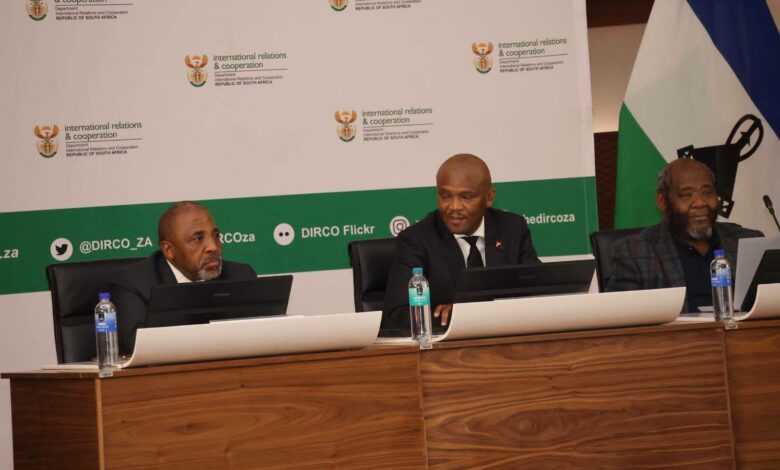
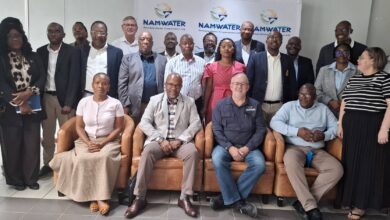
Lesotho and South Africa have reaffirmed their commitment to strengthening bilateral cooperation after concluding the inaugural Mid-Term Review of the Second Session of the Lesotho–South Africa Bi-National Commission in Pretoria on 9 September 2026. The three-day review brought senior officials from both countries together to assess progress on commitments made under the Bi-National Commission and identify areas requiring faster implementation. The discussions focused on practical measures that can improve economic cooperation, infrastructure development, migration management, border efficiency and social development. Both countries stressed the need to move beyond diplomatic discussions and ensure that agreed commitments produce measurable benefits for their citizens. The review has therefore provided an important platform for assessing progress while setting priorities ahead of the Third Session of the Bi-National Commission in 2027.
The Lesotho delegation was led by Mr. Thabang Lekhela, Principal Secretary of Foreign Affairs and International Relations, who served as Co-Chair of the Mid-Term Review alongside Ambassador Tebogo Seokolo, Deputy Director-General of the Department of International Relations and Cooperation of South Africa. Their leadership reflected the importance both governments attach to the Bi-National Commission as a mechanism for coordinating bilateral relations. During the three days of discussions, officials examined progress across five Sectoral Clusters covering a broad range of areas of mutual interest. The review provided an opportunity to identify achievements, address outstanding commitments and establish clearer priorities for the period ahead. It also allowed both countries to strengthen coordination between their respective institutions responsible for implementing decisions reached through the BNC.
In his closing remarks, Lekhela expressed appreciation to the Government and people of South Africa for hosting the Lesotho delegation and for the hospitality extended throughout the review. He highlighted significant progress achieved across the five Sectoral Clusters while stressing the importance of translating agreements into practical results. His call to move “from dialogue to implementation” captured the central objective of the review, which was to ensure that bilateral commitments do not remain at the level of policy discussions. Effective implementation is particularly important because many of the issues addressed by the BNC have a direct impact on people’s daily lives, including access to economic opportunities, movement across borders, water infrastructure and social protection. The review therefore placed emphasis on practical delivery, accountability and measurable progress.
Migration and labour mobility emerged as important areas of bilateral cooperation, with both countries making progress towards a New Migration Model. The initiative seeks to address persistent migration challenges while creating a more effective framework for the movement of people and workers between Lesotho and South Africa. Migration between the two neighbouring countries has longstanding social and economic dimensions, making effective coordination essential for both governments. A more structured approach could help improve the management of migration while supporting legitimate labour mobility and protecting the rights and interests of affected communities. Progress in this area demonstrates the BNC’s role in addressing issues that require coordinated action because of the close social, economic and geographic links between the two countries.
Infrastructure cooperation also featured prominently, particularly the advancement of Phase II of the Lesotho Highlands Water Project. The development of the Polihali Dam remains an important component of the wider water project and represents a major area of cooperation between Lesotho and South Africa. Continued progress requires sustained coordination between the two countries because the project has implications for water security, infrastructure development and economic activity. The review provided an opportunity to assess progress and reinforce the importance of maintaining momentum on the next phase of the project. Advancing major infrastructure commitments through clear coordination and implementation mechanisms can help ensure that the benefits of the project reach both countries.
The two governments also discussed efforts to accelerate the development of Smart One-Stop Border Posts at Maseru and Ficksburg. Modernising border management can improve the movement of people and goods while reducing delays that affect travellers, businesses and cross-border trade. More efficient border systems are particularly important for Lesotho and South Africa because of the high level of movement between the two countries. Smart border facilities can also strengthen coordination between agencies while supporting more efficient customs and immigration processes. The focus on these border posts reflects the wider objective of making bilateral cooperation more practical by improving infrastructure and systems that directly affect cross-border activity.
Economic cooperation was another key area of progress during the review, with both countries considering measures to strengthen cross-border value chains, Special Economic Zones and clean energy cooperation. Stronger value chains can create opportunities for businesses in both countries to participate more effectively in regional trade and production. Special Economic Zones can also support investment, industrial development and job creation when they are linked to appropriate infrastructure and markets. Clean energy cooperation provides another potential area for collaboration as both countries work to strengthen energy security and support more sustainable economic development. Together, these areas could contribute to deeper economic integration and create opportunities for businesses, workers and communities on both sides of the border.
The review also addressed political and strategic cooperation, with Lesotho and South Africa reaffirming their harmonised positions within the Southern African Development Community, the African Union and the United Nations. Both countries continue to cooperate on regional and international issues, including peace and security, conflict prevention and efforts to silence the guns on the African continent. Coordination through these multilateral platforms allows the neighbouring countries to strengthen their collective voice on matters affecting the region and the wider continent. Their shared positions also reflect the importance of regional solidarity when responding to security and development challenges. Continued political cooperation therefore remains an important part of the broader bilateral relationship.
Ambassador Tebogo Seokolo echoed the importance of converting commitments reached through the BNC into practical action. His remarks reinforced the shared position that bilateral cooperation should deliver tangible outcomes rather than remain focused solely on agreements and diplomatic engagements. This emphasis on implementation places greater responsibility on the institutions involved in delivering the commitments agreed by the two governments. It also creates a stronger basis for monitoring progress between formal BNC sessions. By focusing on practical results, Lesotho and South Africa can strengthen public confidence in bilateral cooperation and demonstrate the value of the Bi-National Commission to their respective populations.
The Agreed Minutes endorsed at the conclusion of the Mid-Term Review provide an important framework for taking the commitments forward. The document sets out timelines and accountability mechanisms intended to ensure that decisions reached during the discussions are implemented. These mechanisms cover areas including economic opportunities, border security, social protection and human development. Establishing clear responsibilities and deadlines can help both governments track progress and identify areas where additional intervention may be required. The focus on accountability also gives the next stage of bilateral engagement a practical structure ahead of the Third Session of the Bi-National Commission.
The outcomes of the Mid-Term Review have created a stronger foundation for the Third Session of the Lesotho–South Africa Bi-National Commission, which is scheduled to take place in South Africa in 2027. By that stage, both countries will have an opportunity to assess progress against the timelines and commitments agreed during the latest review. The effectiveness of the current commitments will depend on how consistently government institutions implement the agreed measures over the coming months. Areas such as migration, water infrastructure, border modernisation, economic cooperation and clean energy will require sustained attention to produce measurable results. The 2026 review has therefore established a clear expectation that the next phase of the relationship should focus on delivery and measurable outcomes.
The conclusion of the inaugural Mid-Term Review marks an important step in strengthening the historic relationship between Lesotho and South Africa. The discussions demonstrated a shared commitment to addressing practical challenges while expanding cooperation in areas that directly affect the people and economies of both countries. Progress on migration, the Lesotho Highlands Water Project, border infrastructure, economic development, clean energy and regional cooperation provides a broad foundation for continued engagement. The Agreed Minutes add further structure by establishing timelines and accountability mechanisms for implementation. If both governments maintain the momentum generated by the review, the commitments reached in Pretoria can support stronger economic opportunities, more efficient borders, improved infrastructure and deeper cooperation as the two countries prepare for the 2027 Bi-National Commission.
Join 'Lesotho News' WhatsApp Channel
Get breaking Lesotho news — delivered directly to your WhatsApp.
CLICK HERE TO JOIN