Tiisetso Sefatsane Champions Aeroponics and the Future of Food Production in Lesotho

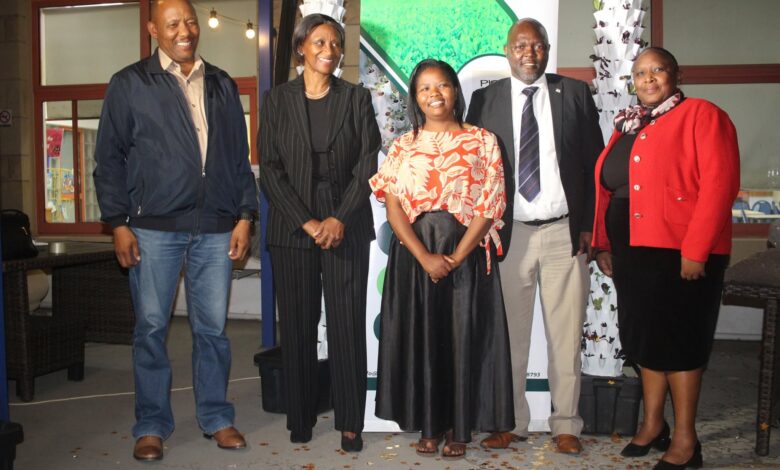
Mandela Washington Fellowship alumna Tiisetso Sefatsane is helping reshape the conversation around food production in Lesotho through her innovative CrownHerImpact agriculture initiative. The initiative is introducing aeroponics and zero-soil farming as modern approaches that could contribute to a more sustainable and food-secure future for the country. Made possible in part through a U.S.-Lesotho educational and manufacturing partnership, the initiative demonstrates how knowledge, technology and local innovation can work together to address agricultural challenges. Sefatsane is using her experience and vision to explore farming methods that can produce food without relying on conventional soil-based agriculture. Her work also highlights the important role young people can play in developing practical solutions to food security and sustainability challenges.
The CrownHerImpact initiative brings attention to the potential of aeroponics as an alternative approach to traditional farming. Aeroponics allows plants to grow without soil, with their roots receiving nutrients through a carefully managed growing environment. This approach can offer opportunities to produce crops in settings where conventional agriculture faces limitations linked to soil quality, land availability or water management. For Lesotho, exploring alternative farming systems could help diversify food production and strengthen local capacity to respond to changing agricultural conditions. Sefatsane’s work demonstrates that advanced agricultural technology does not have to remain an abstract concept, but can be adapted and explored through locally developed solutions.
The event created an important space for conversations about food security and self-sustenance. Participants explored the need to build agricultural systems that can provide reliable food production while remaining sustainable over the long term. Food security involves more than simply producing crops, as communities also need consistent access to nutritious and affordable food. Modern agricultural technologies can form part of a broader strategy that combines local knowledge with new approaches to farming. The discussions surrounding CrownHerImpact highlighted the importance of finding practical ways to strengthen food production while preparing communities for future agricultural and environmental pressures.
One of the most notable aspects of the event was the demonstration of Sefatsane’s self-designed aeroponic systems. The demonstration provided a practical example of how innovation can be translated into an agricultural solution that people can see and understand. Instead of focusing only on the theory behind zero-soil farming, the event showed how the technology can be incorporated into an actual production system. This helped demonstrate the possibilities that arise when young innovators use their knowledge to develop solutions suited to local needs. Sefatsane’s systems represent an example of how creativity and technical knowledge can contribute to new approaches to food production in Lesotho.
Aeroponics can also create opportunities to rethink how agricultural space is used. Because the method does not require traditional soil, it can potentially be applied in environments where conventional farming is difficult or where available land needs to be used more efficiently. Controlled growing systems can also give farmers greater control over factors that influence plant growth, depending on how the system is designed and managed. These possibilities make zero-soil farming an area worth exploring as Lesotho considers ways to strengthen agricultural resilience. However, successful adoption will depend on factors such as technical knowledge, equipment availability, operating costs and access to reliable infrastructure.
The CrownHerImpact initiative also demonstrates the value of partnerships in supporting agricultural innovation. The involvement of a U.S.-Lesotho educational and manufacturing partnership shows how international cooperation can contribute to local initiatives by connecting knowledge, skills and production capabilities. Educational partnerships can help innovators access ideas and expertise while manufacturing partnerships can support the development of physical systems needed to turn those ideas into working technologies. This type of collaboration can help create a stronger environment for young entrepreneurs and innovators. It also shows how international partnerships can have a practical impact when they support solutions developed around local challenges.
Sefatsane’s journey as a Mandela Washington Fellowship alumna adds another important dimension to the initiative. The fellowship provides opportunities for young African leaders to develop leadership skills, build professional networks and exchange ideas with peers and institutions. Experiences gained through such programmes can help participants apply new knowledge to challenges within their communities and countries. Sefatsane’s agricultural work demonstrates how leadership development can connect with practical action and community-focused innovation. Her decision to apply her vision to food production highlights the potential of young leaders to contribute to economic development through entrepreneurship and technology.
The conversations around self-sustenance also point to the importance of building agricultural systems that can last. Short-term interventions may help address immediate needs, but sustainable food production requires systems that communities can maintain and develop over time. This means considering technology alongside training, access to resources, maintenance and opportunities for local participation. Young innovators such as Sefatsane can help introduce new ideas while encouraging wider discussions about how technology can become part of everyday agricultural production. CrownHerImpact therefore represents more than an experiment with aeroponics, as it contributes to a broader conversation about the future of farming in Lesotho.
Technology is increasingly becoming an important part of discussions about the future of agriculture. Digital tools, controlled growing systems, improved irrigation methods and innovative production techniques can help farmers make better use of available resources. At the same time, technology works best when it responds to real needs and remains accessible to the people expected to use it. The CrownHerImpact initiative provides an example of this principle by connecting modern agricultural technology with the specific challenge of food production. Its focus on locally developed aeroponic systems also reinforces the importance of encouraging African innovators to design and test solutions within their own communities.
The event served as a powerful reminder that technology-empowered sustainability solutions are already being pioneered by young people. Sefatsane’s work shows that meaningful agricultural innovation can begin with an individual who identifies a challenge and develops a practical response. Her vision for CrownHerImpact connects food security, sustainability, entrepreneurship and technological innovation in a way that could inspire further interest in alternative farming methods. Continued support for initiatives of this nature could help create opportunities for more young people to explore agricultural technology and develop locally relevant solutions. It can also encourage communities to view agriculture as a field where innovation, science and entrepreneurship can create new possibilities.
Tiisetso Sefatsane’s work through CrownHerImpact offers an encouraging example of what can happen when education, partnerships and innovation come together around a pressing development challenge. By introducing aeroponics and zero-soil farming, she is exploring new possibilities for food production while contributing to conversations about self-sustenance and long-term agricultural resilience in Lesotho. Her self-designed systems show that young people are not simply waiting for solutions to emerge, but are actively developing and testing ideas that could shape the future. Her vision, courage and commitment to meaningful change deserve recognition as she continues to explore ways of strengthening food security through technology. CrownHerImpact is planting more than crops through its work, it is helping cultivate new ideas about how Lesotho can build a more food-secure, innovative and prosperous future.
Join 'Lesotho News' WhatsApp Channel
Get breaking Lesotho news — delivered directly to your WhatsApp.
CLICK HERE TO JOIN