
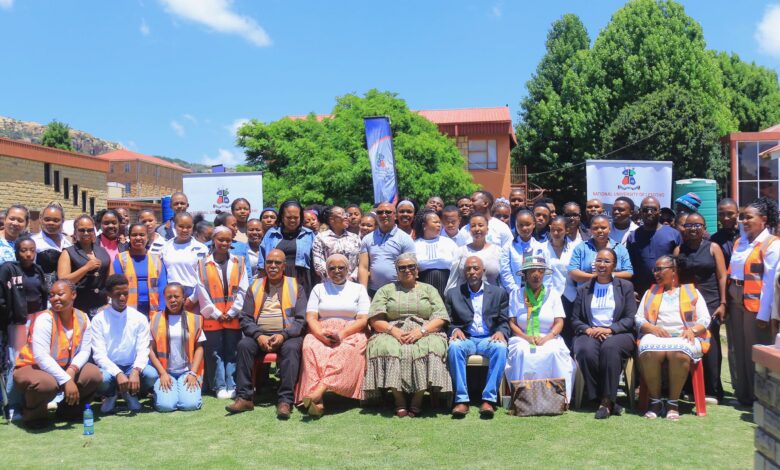
The National University of Lesotho (NUL), through its Department of Geography and Environmental Science, Urban and Regional Planning Section, in collaboration with the NUL Planning Students Association (NULPSA), commemorated World Town Planning Day at Roma Campus on Friday, November 6, 2026. The event brought together students, academics, town planning professionals and government officials to celebrate the importance of effective planning in shaping sustainable communities and supporting national development. The commemoration provided an opportunity for participants to discuss the role of urban and regional planning in addressing the challenges facing modern communities. It also highlighted the importance of creating well-organised, inclusive and resilient human settlements that respond to the needs of present and future generations. Through this initiative, NUL reaffirmed its commitment to promoting planning education, professional development and sustainable development in Lesotho.
World Town Planning Day is an important occasion for recognising the contribution of town planning to the development of cities, towns and rural communities. It provides a platform for planners, students, policymakers and other stakeholders to reflect on how thoughtful land use, infrastructure development and settlement management can improve people’s quality of life. Effective town planning goes beyond the physical arrangement of buildings, roads and public spaces. It involves understanding the social, economic and environmental factors that influence how communities grow and function. For a developing country such as Lesotho, urban and regional planning plays an important role in guiding settlement expansion, managing available resources and supporting balanced development across different regions.
The programme at Roma Campus featured presentations and discussions that explored the contribution of urban and regional planning to sustainable national development. Speakers and participants considered how planning can help address development challenges, improve human settlements and promote the responsible use of land and natural resources. These discussions highlighted the importance of integrating environmental protection, infrastructure provision and community needs into development decisions. They also drew attention to the need for coordinated planning approaches that consider both immediate priorities and long-term development objectives. Such conversations are particularly important as communities respond to changing population patterns, urban growth, infrastructure demands and environmental pressures.
One of the key highlights of the commemoration was the opportunity for students to showcase their academic projects and demonstrate their understanding of planning concepts. The presentations offered students a platform to connect theoretical knowledge with practical applications in urban and regional development. Through their projects, students demonstrated how planning principles can be used to examine settlement patterns, identify development challenges and propose practical solutions. This participation also allowed students to communicate their ideas, receive feedback and engage with people working in the planning profession. Such experiences are valuable in preparing future planners to understand the practical responsibilities involved in managing land, improving settlements and supporting sustainable communities.
The involvement of students through the NUL Planning Students Association added an important academic and professional dimension to the event. Student associations provide opportunities for learners to participate in discussions beyond the classroom, build relationships with fellow students and engage with professionals in their chosen fields. Their involvement in World Town Planning Day also demonstrated the importance of student participation in promoting awareness of the town planning profession. By working alongside the Department of Geography and Environmental Science, NULPSA helped create an environment where academic learning and professional engagement could complement each other. This collaboration strengthens the connection between university education and the practical demands of the planning industry.
Participants welcomed the initiative and emphasised the importance of activities that raise public awareness of town planning and strengthen recognition of the profession in Lesotho. Town planners contribute to important decisions concerning land use, housing, transportation, public infrastructure and environmental management. Their work helps ensure that development takes place in an organised manner and that communities have access to essential services and facilities. Without effective planning, rapid and poorly coordinated development can place pressure on infrastructure, increase environmental risks and create challenges for the delivery of public services. Greater appreciation of the profession can therefore encourage stronger cooperation between planners, government institutions, communities and other development stakeholders.
The commemoration also highlighted the importance of sustainable human settlements in addressing Lesotho’s development priorities. Sustainable settlements require careful consideration of housing needs, access to roads, water supply, sanitation, public spaces and essential community facilities. Planning decisions must also account for environmental conditions, land availability and the long-term costs of infrastructure development. In Lesotho, where communities are distributed across different geographical and economic conditions, planning approaches must respond to local needs while supporting broader national development goals. Urban and regional planning can help government institutions and development partners make informed decisions about where and how resources should be invested.
Environmental sustainability remains another important aspect of modern town planning. Development activities can affect ecosystems, water resources, agricultural land and other natural assets that communities depend on. Planners must therefore consider the environmental consequences of land development and promote approaches that balance economic growth with environmental protection. Climate resilience is also becoming increasingly important as communities face environmental pressures and changing weather patterns. Integrating environmental considerations into planning processes can help reduce development risks and support settlements that are better prepared for future challenges. The discussions held during World Town Planning Day reinforced the importance of viewing planning as an essential part of sustainable development rather than simply a technical exercise.
The event further demonstrated the value of collaboration between universities, government officials and professionals in the town planning sector. Universities contribute research, technical knowledge and the education of future professionals, while government institutions play a central role in policy development, infrastructure investment and the management of public resources. Practising planners bring professional experience and practical knowledge of the challenges involved in implementing development plans. Bringing these groups together creates opportunities to exchange ideas, identify shared priorities and strengthen professional networks. These engagements can also help students gain a clearer understanding of career opportunities and the expectations of the planning profession.
For the National University of Lesotho, commemorating World Town Planning Day reflects the importance of connecting academic programmes with national development priorities. The Department of Geography and Environmental Science, through its Urban and Regional Planning Section, provides an academic environment where students can explore the relationship between people, places, land and development. Events such as this extend learning beyond formal lectures and encourage students to engage with real-world planning issues. They also create opportunities for academics and practitioners to exchange knowledge and discuss emerging challenges in the field. By supporting these engagements, NUL contributes to developing graduates who can apply their knowledge to the planning and development needs of Lesotho.
The annual commemoration also offers an opportunity to strengthen public understanding of the town planning profession and its relevance to everyday life. Decisions about where homes are built, how roads are developed, where public facilities are located and how land is managed all influence the quality of life within communities. Effective planning can improve accessibility, support economic activity and promote safer and healthier living environments. It can also help reduce conflicts over land use and encourage more efficient investment in infrastructure and public services. Raising awareness of these contributions is important for ensuring that planning receives appropriate attention in national and local development discussions.
The World Town Planning Day celebration at Roma Campus was therefore more than an academic gathering. It provided a valuable space for knowledge sharing, student participation and engagement between different stakeholders in the planning sector. The presentations, discussions and student project exhibitions highlighted the practical relevance of urban and regional planning in addressing development challenges. They also reinforced the need for stronger recognition of planners as important contributors to sustainable human settlements and national progress. Through its collaboration with NULPSA, the Department of Geography and Environmental Science demonstrated how universities can bring together education, professional engagement and public awareness around important development issues.
The National University of Lesotho’s continued participation in World Town Planning Day sends an important message about the role of education and collaboration in shaping the country’s future. Sustainable communities require informed decisions, responsible land management and cooperation among institutions, professionals and the people affected by development. By providing a platform for students, academics, government officials and town planning practitioners to share knowledge and ideas, NUL helps strengthen appreciation of the profession and its contribution to Lesotho. The November 6, 2026, commemoration at Roma Campus highlighted the importance of preparing future planners to respond to the country’s changing development needs. Ultimately, effective urban and regional planning remains essential to building inclusive, resilient and sustainable communities that can support the well-being of present and future generations.
Join 'Lesotho News' WhatsApp Channel
Get breaking Lesotho news — delivered directly to your WhatsApp.
CLICK HERE TO JOIN