UNFPA Highlights Youth Creativity in Addressing Gender-Based Violence, Substance Abuse and Mental Health in Lesotho

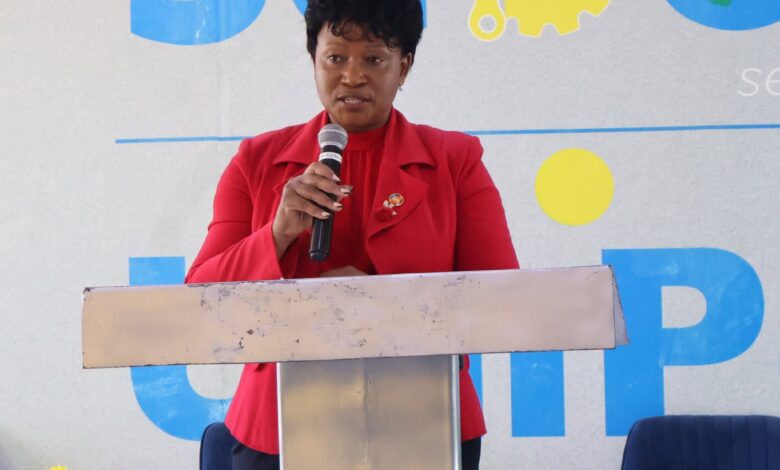
The United Nations Population Fund (UNFPA) has reaffirmed its commitment to empowering young people after taking part in the Creative Challenge 2026 held at Lerotholi Polytechnic. The event brought together young people and creative talents under the theme, “Addressing Gender-Based Violence, Substance Abuse and Mental Health through Creativity.” Through creative expression, participants explored some of the serious social challenges affecting communities across Lesotho. The event demonstrated how art, storytelling and other forms of creativity can help young people communicate difficult experiences and encourage public conversations. It also highlighted the important role young people can play in developing solutions to challenges that directly affect their lives and futures.
The Creative Challenge 2026 provided a platform for youth-led creative works designed to raise awareness and encourage meaningful discussion. Participants used their talents to explore gender-based violence, substance abuse and mental health, three issues that can have serious consequences for individuals, families and communities. Creative platforms can make difficult subjects easier to discuss by presenting them through stories, performances, visual works and other forms of expression. They can also help audiences understand the human experiences behind social challenges that are sometimes discussed only through statistics or formal reports. By placing young voices at the centre of the event, the challenge created an opportunity for participants to communicate their perspectives directly.
Gender-based violence remains an important social concern that requires sustained awareness, prevention and community action. Young people can play a significant role in challenging attitudes and behaviours that contribute to violence and discrimination. Creative expression provides one way to start conversations about harmful social norms, respect, consent and healthy relationships. It can also help survivors and communities communicate experiences that may otherwise remain hidden or difficult to discuss. Events such as the Creative Challenge can therefore contribute to prevention efforts by giving young people the tools and platforms to speak about gender-based violence and encourage positive change.
Substance abuse was another major issue addressed through the creative works presented at the event. Substance misuse can affect young people’s health, education, relationships and future opportunities, while also placing pressure on families and communities. Addressing the issue requires more than warnings about the dangers of substance use because young people also need access to information, support services and positive alternatives. Creativity can help communicate these messages in ways that are relatable and accessible to different audiences. By allowing young people to explore the causes and consequences of substance abuse through creative work, the event encouraged discussion about prevention and healthier choices.
Mental health was also placed at the centre of the Creative Challenge, reflecting the need for greater openness around emotional and psychological wellbeing. Young people can face pressures linked to education, relationships, family circumstances, social expectations and uncertainty about their futures. When mental health concerns are ignored or surrounded by stigma, individuals may find it difficult to seek support. Creative expression can provide a constructive way to communicate emotions, experiences and concerns while encouraging others to listen. Creating spaces where young people can speak openly about mental health can contribute to greater awareness and help challenge the stigma that often prevents people from seeking assistance.
The event demonstrated that creativity can serve as more than entertainment. It can become a practical tool for education, advocacy and social change when young people use their talents to address real challenges. Creative works can capture attention, communicate complex issues and encourage audiences to reflect on their own attitudes and actions. They can also inspire conversations between young people, educators, communities and organisations working on social development. The Creative Challenge therefore showed how youth creativity can complement traditional awareness campaigns by creating messages that are personal, engaging and relevant to young audiences.
UNFPA’s involvement in the event reflects its broader focus on young people’s rights, health and development. The organisation’s vision is of a world where every pregnancy is wanted, every childbirth is safe and every young person’s potential is fulfilled. This vision places young people at the centre of efforts to create healthier and more inclusive societies. Supporting platforms that allow young people to express themselves and address social issues is consistent with that commitment. The Creative Challenge provided an opportunity for UNFPA to support youth voices while encouraging participants to use their talents as tools for positive change.
UNFPA Assistant Representative Mot’selisi Phakisi encouraged young people to continue using their creativity to communicate the realities of gender-based violence, substance abuse and mental health. Her message recognised the ability of young people to influence conversations within their communities through their voices, experiences and talents. She also encouraged them to use creativity not only to describe challenges but to inspire hope and action. This approach places young people in an active role rather than treating them only as recipients of programmes or services. It recognises their potential to contribute to solutions and shape the future of their communities.
Phakisi also reaffirmed UNFPA’s commitment to working alongside young people as they continue addressing these challenges. The message of partnership is important because sustainable social change requires cooperation between young people, families, institutions, civil society organisations and development partners. Young people need platforms where their perspectives are heard, but they also need access to appropriate information, services and opportunities. Organisations such as UNFPA can help strengthen these connections while supporting initiatives that promote health, safety and inclusion. Working together can create stronger responses to issues that cannot be addressed by one organisation or group alone.
The Creative Challenge also highlighted the importance of providing young people with safe spaces for participation. When young people can share their experiences and ideas without fear of judgement, they are more likely to engage in conversations about difficult social issues. Such spaces can help build confidence and encourage participants to think about how they can contribute to their communities. Creative activities can also connect young people with peers who share similar concerns and aspirations. These experiences can strengthen social networks while helping participants recognise that they have an important role in addressing challenges around them.
Youth participation is particularly important when addressing issues that directly affect young people. Programmes designed without meaningful input from young people may fail to reflect their experiences, communication styles and priorities. Creative initiatives allow young people to shape messages and approaches based on what they see and experience in their communities. Their involvement can also make awareness campaigns more relatable to their peers. The Creative Challenge demonstrated the value of giving young people both a platform and a responsibility to contribute to conversations about gender-based violence, substance abuse and mental health.
The event at Lerotholi Polytechnic also showed how educational institutions can support wider social development. Colleges and other learning environments bring together young people from different backgrounds and can provide valuable platforms for discussion and creative expression. Events that combine education with social awareness can encourage students to think critically about challenges beyond the classroom. They can also create opportunities for young people to develop communication, leadership and problem-solving skills. By hosting the Creative Challenge, Lerotholi Polytechnic provided a setting where creativity could be connected directly to important issues affecting society.
The Creative Challenge 2026 ultimately demonstrated that young people’s creativity can be a powerful force for positive change in Lesotho. By addressing gender-based violence, substance abuse and mental health through creative works, participants raised awareness while creating opportunities for meaningful conversations and practical solutions. UNFPA’s participation reinforced its commitment to supporting young people and helping them use their voices and talents to influence the issues that affect their lives. The message from UNFPA is clear that young people should not only be included in conversations about the future but should have an active role in shaping it. Through continued partnership, creativity and action, initiatives such as the Creative Challenge can contribute to a safer, healthier and more inclusive future for every young person in Lesotho.
Join 'Lesotho News' WhatsApp Channel
Get breaking Lesotho news — delivered directly to your WhatsApp.
CLICK HERE TO JOIN