Lesotho Strengthens Creative Industry Through Digital Transformation and Artist Engagement in Mohale’s Hoek

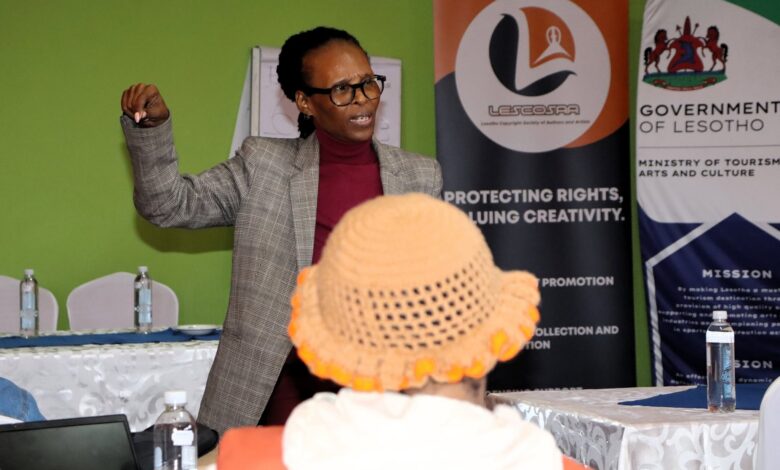
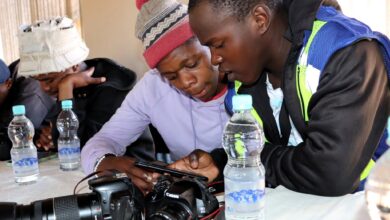
The Ministry of Tourism, Sports, Arts & Culture, through the Department of Arts & Culture, is taking steps to strengthen Lesotho’s creative industry through direct engagement with artists and creative industry practitioners in Mohale’s Hoek. The initiative is being implemented in collaboration with the Lesotho Copyright Society of Authors and Artists (LESCOSAA), bringing together stakeholders to discuss opportunities, challenges and practical measures that can support the country’s creative sector. A key focus of the engagement is to sensitise artists and creative professionals about the Digital Environment Roadmap, a Ministry initiative supported by UNESCO. The roadmap seeks to create a stronger, more inclusive and digitally enabled creative industry that can respond effectively to changes in technology and the global creative economy. The engagement also demonstrates the importance of ensuring that Basotho creatives understand the resources, systems and opportunities available to them as the sector continues to evolve.
The creative industry plays an important role in preserving Lesotho’s cultural identity while creating opportunities for employment, entrepreneurship and economic participation. Artists, musicians, writers, performers, designers, filmmakers, craftspeople and other creative professionals contribute to the country’s cultural landscape through their work and talent. However, many creatives face challenges when attempting to access markets, protect their intellectual property, use digital platforms and build sustainable careers. Digital transformation can help address some of these challenges by creating new ways for artists to showcase, distribute and commercialise their work. The Mohale’s Hoek engagement provides an important platform for discussing these opportunities while helping practitioners understand how they can participate in a changing creative economy.
The Digital Environment Roadmap is an important part of the Ministry’s efforts to modernise and strengthen the creative sector. With support from UNESCO, the initiative focuses on creating an environment where creative practitioners can benefit from digital tools and participate more effectively in the digital economy. Technology has changed how creative content is produced, promoted, distributed and consumed, making digital knowledge increasingly important for artists and creative businesses. Social media, streaming services, online marketplaces and other digital platforms can allow Basotho creatives to reach audiences beyond their immediate communities and potentially access international markets. Building the skills and systems needed to use these platforms effectively can therefore help the creative sector become more competitive and sustainable.
The engagement in Mohale’s Hoek also highlights the importance of ensuring that digital transformation reaches artists across Lesotho rather than being concentrated in major urban centres. Creative talent exists throughout the country, and practitioners in different districts should have opportunities to access information, support and development programmes. Bringing the discussion directly to artists can help ensure that local experiences and challenges form part of the broader development of the creative industry. It also gives practitioners an opportunity to ask questions and gain a better understanding of initiatives designed to support their work. This approach can contribute to a more inclusive creative ecosystem where opportunities are accessible to a wider range of Basotho.
Another important part of the gathering is the registration of artists and individuals working across the creative industries. Formal registration can help create a clearer understanding of the people and organisations operating within Lesotho’s creative sector. A stronger database of creative practitioners can assist stakeholders in identifying talent, communicating opportunities and designing programmes that respond to the actual needs of artists. Registration can also help creatives become more visible when government institutions and industry organisations develop initiatives aimed at supporting the sector. For artists, being formally recognised can provide a stronger connection to programmes and opportunities intended to promote professional development and creative enterprise.
The involvement of LESCOSAA is particularly relevant because protecting creative works is an important part of building a sustainable creative industry. Artists invest time, talent and resources into producing music, literature, visual art, performances and other forms of intellectual property. Without effective awareness of copyright and related rights, creatives can face challenges when their work is used without permission or when they attempt to earn income from their creations. Educating artists about their rights can help them make informed decisions about how their work is shared, licensed and commercialised. Strengthening copyright awareness can therefore support both the protection of creative works and the development of a more professional creative economy.
Digital platforms have created significant opportunities for artists, but they have also introduced new challenges around copyright protection and ownership. Creative works can be copied, distributed and shared quickly across digital networks, sometimes without the creator’s permission. Artists need to understand how copyright applies in digital environments and what steps they can take to protect their work. They also need access to information about how digital platforms can be used responsibly to build audiences and generate income. The Digital Environment Roadmap can contribute to this process by helping create greater awareness of both the opportunities and responsibilities associated with digital participation.
The Ministry’s commitment to creating an enabling environment for Basotho creatives extends beyond digital transformation and registration. A strong creative industry requires access to information, professional development, markets, intellectual property protection and opportunities for collaboration. Government institutions, industry organisations, artists and development partners all have a role to play in creating conditions that allow creative businesses to grow. Initiatives supported through partnerships such as the collaboration involving UNESCO can help strengthen these efforts by bringing additional expertise and perspectives into the development process. Continued engagement with artists will also be important to ensure that policies and programmes remain connected to the realities faced by creative practitioners.
For young and emerging artists in particular, initiatives that improve access to information and opportunities can have a significant impact on their professional development. Many talented creatives have the ability to produce work that can attract audiences locally and internationally, but they may lack knowledge about business development, digital marketing, copyright, registration and available support programmes. Direct engagements can help close some of these information gaps by connecting practitioners with institutions responsible for supporting the creative sector. They can also encourage artists to view their creative abilities as potential professional and entrepreneurial opportunities. With appropriate support, the creative sector can become an increasingly important source of livelihoods while continuing to preserve and promote Lesotho’s cultural heritage.
The Mohale’s Hoek engagement represents an important step in the continued development of Lesotho’s creative industry. By combining digital transformation awareness, artist registration, copyright education and stakeholder collaboration, the initiative addresses several areas that are important to the sector’s long-term growth. The Ministry’s work also recognises that creative development requires more than celebrating artistic talent, as creatives need practical systems that help them protect their work, access opportunities and participate in the economy. As the digital environment continues to change, Basotho artists will need the knowledge and support required to adapt while maintaining ownership of their creative contributions. Through continued engagement and collaboration with organisations such as LESCOSAA and UNESCO, the Ministry can help build a more inclusive, digitally enabled and sustainable creative industry that allows Basotho creatives to thrive and contribute meaningfully to Lesotho’s cultural and economic development.
Join 'Lesotho News' WhatsApp Channel
Get breaking Lesotho news — delivered directly to your WhatsApp.
CLICK HERE TO JOIN