Lesotho Population Census Data Expected to Strengthen Support for Persons with Disabilities

The recently completed population census in Lesotho is expected to become an important tool in improving the lives of Persons with Disabilities (PWDs) across the country. Reliable and comprehensive data plays a vital role in helping governments, organizations and development partners understand the needs of different communities and develop policies that respond effectively to those needs. For disability advocacy groups, accurate statistics provide the foundation for better planning, stronger representation and evidence-based decision making. The inclusion of disability-related information in the latest census marks a significant step toward creating a more inclusive society where the needs of Persons with Disabilities are better understood and addressed. As Lesotho continues to strengthen its social development efforts, the census data is expected to guide initiatives that improve access to opportunities and essential services for PWDs.
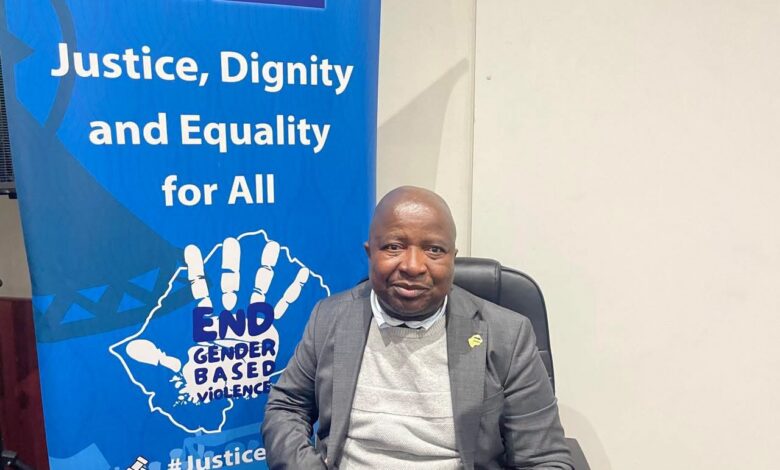
According to the Executive Director of the Lesotho National Federation of Organisations of the Disabled (LNFOD), Mr. Rabasotho Moeletsi, the newly collected census statistics will contribute significantly to the Federation’s planning and advocacy work. Speaking in an interview with the Agency, Mr. Moeletsi explained that having access to accurate national data will enable the organization to better understand the realities faced by Persons with Disabilities throughout the country. This information will also strengthen the Federation’s ability to advocate for improved services and policies that promote inclusion. Reliable statistics make it easier to identify existing challenges and measure progress over time. With a clearer picture of the disability population, LNFOD will be better equipped to support national development initiatives that leave no one behind.
Mr. Moeletsi noted that the Federation has previously faced considerable challenges in compiling comprehensive nationwide statistics on Persons with Disabilities. Financial limitations have prevented the organization from conducting large-scale surveys because its activities largely depend on donor funding. Without sufficient resources, gathering accurate information across every district has been difficult and time consuming. Despite these obstacles, LNFOD has continued to make significant efforts to identify and support Persons with Disabilities in different communities. The availability of official census data is therefore expected to reduce many of these challenges while providing more reliable information for future planning.
Before the recent census, LNFOD relied on community-based identification exercises to collect information about Persons with Disabilities. Mr. Moeletsi explained that the Federation organized public gatherings and encouraged chiefs and community members to identify individuals with disabilities within their constituencies. This collaborative approach helped reach many people who may otherwise have remained unaccounted for in official records. The exercise was conducted in selected constituencies across the districts of Leribe, Berea, Botha-Bothe and Mohale’s Hoek. Although these efforts generated useful information, they covered only certain parts of the country and could not provide a complete national picture.
The inclusion of disability categorization in the national population census represents a major achievement for disability advocacy in Lesotho. Mr. Moeletsi revealed that LNFOD worked to ensure that disability classifications were included in the census questionnaire. This addition allows authorities and organizations to determine the exact number of Persons with Disabilities living in the country. It also makes it possible to gather valuable information about their employment status, educational participation and other important social and economic indicators. Such detailed data creates a stronger foundation for developing targeted interventions that address the specific needs of different disability groups.
Accurate census statistics are expected to improve efforts to tackle unemployment among Persons with Disabilities. Employment remains one of the major challenges facing many individuals with disabilities due to barriers such as discrimination, inaccessible workplaces and limited vocational training opportunities. Reliable data can help policymakers understand the scale of unemployment within the disability community and identify areas where support is most needed. It also enables government departments and development organizations to design employment programs based on evidence rather than estimates. Better information increases the likelihood that resources will be directed toward initiatives that create meaningful job opportunities and promote workplace inclusion.
Healthcare is another area where census data can have a significant impact on the lives of Persons with Disabilities. Access to quality healthcare services often depends on effective planning and the equitable distribution of medical resources. By identifying where Persons with Disabilities live and understanding the types of disabilities present within different communities, health authorities can improve service delivery and expand access to specialized care. Accurate statistics also support better planning for rehabilitation services, assistive devices and community-based healthcare programs. These improvements can contribute to better health outcomes and a higher quality of life for many individuals.
The census information is also expected to strengthen planning for disability grants and educational support programs. Social protection initiatives rely heavily on accurate beneficiary data to ensure that assistance reaches those who need it most. Reliable statistics can help improve the administration of disability grants while reducing gaps in service delivery. In the education sector, knowing how many learners have disabilities and where they are located enables authorities to provide appropriate learning materials, accessible infrastructure and specialized support services. These improvements can contribute to greater educational inclusion and help more children with disabilities complete their schooling successfully.
LNFOD has played a central role in advancing disability rights in Lesotho since its establishment in 1989. The Federation was created to advocate for the rights, dignity and inclusion of Persons with Disabilities while promoting equal opportunities across all sectors of society. Over the years, it has influenced disability-inclusive policies, raised public awareness and worked with government institutions and development partners to improve conditions for PWDs nationwide. Its continued advocacy has helped place disability issues higher on the national development agenda. Access to comprehensive census data is expected to further strengthen the organization’s ability to fulfill its mission and advocate effectively for meaningful change.
The recently completed population census represents far more than a statistical exercise for Persons with Disabilities in Lesotho. It provides an opportunity to generate accurate, nationwide information that can guide policy decisions, improve service delivery and strengthen advocacy efforts for years to come. By including detailed disability categorization, the census creates a valuable resource for addressing important issues such as employment, healthcare, education and social protection. For the Lesotho National Federation of Organisations of the Disabled, this data will support more effective planning and evidence-based advocacy while reducing the challenges previously caused by limited financial resources. As Lesotho continues to promote inclusion and equal opportunities, the census findings are expected to become an essential foundation for building a more accessible, equitable and supportive society for all Persons with Disabilities.
Join 'Lesotho News' WhatsApp Channel
Get breaking Lesotho news — delivered directly to your WhatsApp.
CLICK HERE TO JOIN