Lesotho Launches Multisectoral Initiative to Promote Safe Initiation Practices and Protect Community Health

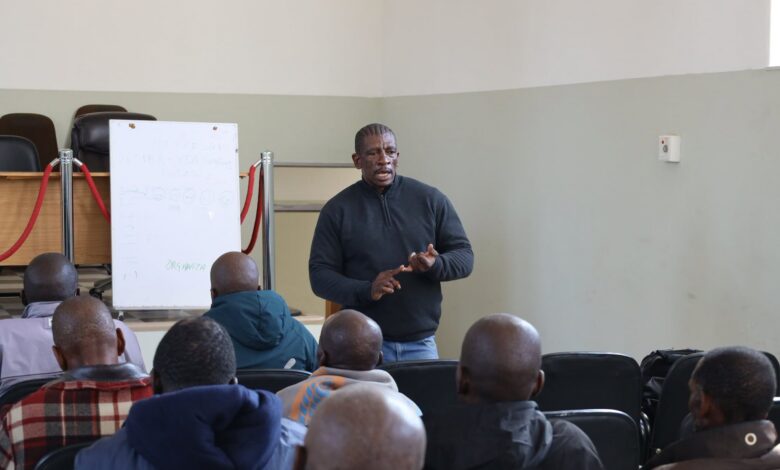
Lesotho has taken another important step toward improving the safety and wellbeing of young boys and men participating in traditional initiation schools through the launch of a new nationwide health initiative. As the country’s initiation season gets underway, the Ministry of Health, with support from the World Health Organization (WHO), officially launched the Multisectoral Male Engagement Initiative on Safe Initiation Practices and Health Promotion in Phamong, Mohale’s Hoek district. The initiative reflects a growing commitment to preserving cultural traditions while ensuring that participants receive the health care, protection and guidance needed throughout the initiation process. By bringing together government ministries, traditional leaders, health professionals and local communities, the program aims to reduce preventable illnesses, injuries and deaths that have been associated with some initiation schools in recent years. The launch marks the beginning of a broader national campaign that seeks to strengthen cooperation between cultural institutions and the country’s health system.
The initiative has been designed as a collaborative effort involving several government departments that play critical roles in community wellbeing and public safety. Alongside the Ministry of Health, active participation comes from the Ministry of Home Affairs and Police, the Ministry of Local Government, Chieftainship and Parliamentary Affairs and the Ministry of Gender, Youth and Social Development. Their combined expertise allows for a more comprehensive approach to addressing the challenges surrounding traditional initiation practices. Rather than focusing solely on medical interventions, the program also considers community leadership, law enforcement, youth development and social support. This coordinated strategy recognizes that improving safety during initiation requires the involvement of multiple sectors working toward the same objective.
One of the initiative’s key strengths is its direct engagement with traditional leaders, initiators and local communities across 11 Principal Chief areas. These influential community figures are central to ensuring that health messages reach families and initiation schools effectively. The program encourages open dialogue between health authorities and cultural custodians, creating opportunities to share knowledge while respecting longstanding traditions. Instead of replacing cultural practices, the initiative promotes safer methods that protect the lives and health of initiates. This balanced approach helps build trust among communities while encouraging practical changes that can significantly reduce health risks.
A major focus of the discussions during the launch was health education and awareness. The Ministry of Health’s Head of Health Promotion, Ntate Baroane Phenethi, led comprehensive discussions on sexual and reproductive health and rights, healthy relationships and mental health. These topics are increasingly recognized as essential components of young men’s overall wellbeing, particularly during the transition into adulthood. Participants were encouraged to understand the importance of making informed health decisions, seeking medical care when needed and supporting positive emotional wellbeing. By addressing these subjects alongside traditional teachings, the initiative aims to equip initiates with valuable knowledge that extends well beyond the initiation season.
Preventive healthcare also featured prominently during the engagement, with community leaders agreeing to strengthen disease prevention efforts before initiation schools begin. Area chiefs pledged to raise awareness about both communicable and non-communicable diseases within their communities. They also committed to working closely with initiators to ensure that young boys and men undergo appropriate health screening and testing for infectious diseases before entering initiation schools. Early screening can help identify medical conditions that require treatment or monitoring, reducing the likelihood of serious health complications during initiation. These preventive measures represent an important step toward protecting both initiates and the wider community from avoidable health risks.
The support and commitment shown by traditional leadership played a significant role during the launch event. The gathering was attended by the Principal Chief of Phamong, Chief Theko Letsie Bereng, who emphasized the importance of stronger cooperation between traditional authorities, health centers and police services. He encouraged area chiefs to build closer relationships with healthcare providers to ensure that initiates have access to medical assistance whenever necessary. At the same time, collaboration with law enforcement can help improve oversight and respond quickly to situations that threaten the safety of participants. Such partnerships demonstrate that cultural traditions and public health can work together to achieve better outcomes for communities.
The introduction of strengthened referral systems is another important feature of the initiative. In cases where initiates become ill or sustain injuries, community leaders and initiators will be encouraged to seek timely medical intervention through established healthcare facilities. Delayed treatment has contributed to preventable complications and fatalities in some initiation settings, making faster referrals a critical part of improving safety. Strengthening these systems helps ensure that medical emergencies receive professional attention without unnecessary delays. It also reinforces the message that seeking healthcare should complement, rather than conflict with, cultural practices.
The initiative launched in Phamong is only the beginning of a much broader national campaign. Over the coming days and weeks, similar engagements will be rolled out across other districts in Lesotho. Health officials, together with representatives from participating government ministries, WHO and other development partners, will continue engaging traditional leaders and communities throughout the country. These ongoing discussions aim to build stronger partnerships, improve health awareness and encourage the adoption of safer initiation practices nationwide. Expanding the initiative across multiple districts allows lessons learned in one community to benefit others while creating a consistent national approach.
The continued involvement of the World Health Organization remains an important part of the initiative’s success. WHO has worked closely with the Ministry of Health and other government ministries, departments and agencies to strengthen community health systems and promote culturally appropriate public health interventions. Rather than imposing outside solutions, the organization supports locally driven approaches that respect Basotho traditions while improving health outcomes. This partnership enables communities to access technical expertise, health education resources and practical guidance that can strengthen existing health services. Such collaboration helps ensure that cultural heritage and public health goals move forward together.
The launch of the Multisectoral Male Engagement Initiative represents a significant milestone in Lesotho’s efforts to protect young people during the initiation season while preserving important cultural traditions. By bringing together government institutions, traditional leaders, healthcare workers, police and community members, the initiative creates a united front against preventable illnesses, injuries and deaths linked to initiation schools. The commitments made by chiefs, health officials and initiators demonstrate a shared determination to improve safety through education, disease prevention, early screening and stronger referral systems. As the program expands across the country, it has the potential to save lives, strengthen trust between communities and healthcare providers and promote healthier futures for generations of Basotho men. Through sustained collaboration and community driven action, Lesotho is setting an important example of how cultural practices and modern public health can work together to protect both tradition and human life.
Join 'Lesotho News' WhatsApp Channel
Get breaking Lesotho news — delivered directly to your WhatsApp.
CLICK HERE TO JOIN