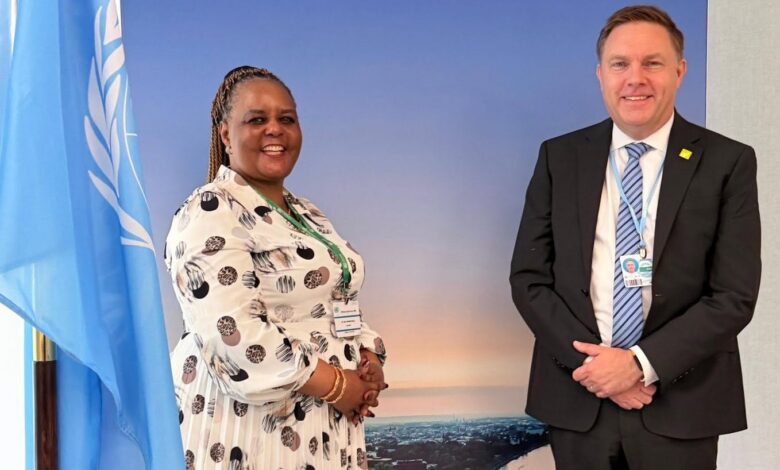
The Kingdom of Lesotho is actively reinforcing its role in global climate negotiations as its Ambassador to Germany, H.E. Mrs. Mafelile Molala, participates in the sixty-fourth session of the UNFCCC Subsidiary Bodies (SB64) in Bonn. The session forms part of a critical preparatory process leading to COP31, which is scheduled to take place in Antalya, Türkiye. SB64 brings together governments, technical experts and international partners to refine key decisions that shape global climate policy. Lesotho’s participation reflects its ongoing commitment to advocating for climate action that addresses the needs of vulnerable countries. As a nation highly exposed to climate change impacts, Lesotho continues to prioritize adaptation, resilience building and access to climate finance within international negotiations.
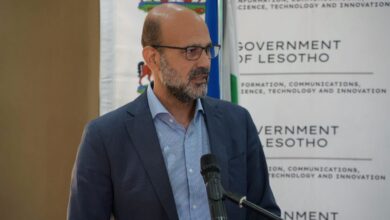
During the session in Bonn, Ambassador Molala engaged in high-level discussions focused on strengthening Lesotho’s adaptation agenda and deepening cooperation with key climate finance institutions. One of the most significant meetings was held with Mr. Mikko Ollikainen, Head of the Adaptation Fund, where discussions centered on ongoing collaboration between the Fund and Lesotho. The engagement reaffirmed support for the project titled “Improving Adaptive Capacity of Vulnerable and Food-Insecure Populations in Lesotho (Phase II),” which is implemented through the World Food Programme (WFP). This project plays a vital role in addressing the country’s climate vulnerabilities by targeting communities most affected by environmental stress and food insecurity. Through continued partnership, Lesotho aims to ensure that climate finance translates into practical interventions that strengthen resilience on the ground.
The Adaptation Fund-supported project focuses on building long-term capacity among vulnerable populations by promoting climate-smart agriculture practices. These practices help farmers adapt to changing weather patterns, improve crop yields and reduce dependence on unpredictable rainfall. The initiative also emphasizes improved natural resource management, including sustainable land use and water conservation techniques that are essential for a country facing increasing climate variability. In addition, the project supports efforts to enhance food security, ensuring that communities have more stable access to nutritious food despite environmental shocks. By combining these elements, the program contributes to strengthening livelihoods and reducing vulnerability among food-insecure populations across Lesotho.
Beyond project-level discussions, Ambassador Molala also held coordination meetings with the broader Lesotho delegation participating in SB64. These internal engagements focused on aligning national priorities and ensuring a unified approach in ongoing climate negotiations. The delegation reviewed updates from various technical discussions and reinforced strategic positions on key issues such as adaptation, climate finance and loss and damage. Coordination at this level is essential for small and vulnerable countries, where coherent messaging strengthens negotiating power and ensures national interests are clearly represented. Lesotho’s approach at SB64 reflects a structured effort to maximize impact in multilateral climate forums through unity and consistency.
The Ambassador’s participation in SB64 also highlights Lesotho’s broader diplomatic strategy of strengthening international partnerships to address climate challenges. By actively engaging with institutions such as the Adaptation Fund, Lesotho continues to position itself as a proactive participant in global climate governance. These engagements are particularly important as discussions intensify ahead of COP31, where critical decisions on financing, adaptation frameworks and implementation mechanisms are expected. Lesotho’s focus remains on ensuring that climate vulnerable countries receive adequate support to implement adaptation measures that protect communities and sustain development gains. This includes advocating for predictable and accessible climate finance that can be effectively deployed at national and community levels.
Lesotho’s climate vulnerability is well documented, with recurring droughts, soil degradation and erratic rainfall patterns posing serious risks to agriculture and food security. These challenges make adaptation not only a policy priority but also a development necessity. Participation in platforms such as SB64 allows Lesotho to highlight these realities while contributing to global discussions on practical solutions. The engagement with development partners and climate funds is aimed at bridging the gap between global commitments and local implementation. By strengthening its presence in these negotiations, Lesotho continues to ensure that the specific needs of least developed and climate vulnerable countries remain central to international climate policy discussions.
The meetings and engagements held by Ambassador Molala in Bonn demonstrate a clear commitment to advancing Lesotho’s climate resilience agenda through diplomacy and strategic cooperation. The collaboration with the Adaptation Fund and WFP underscores the importance of integrated approaches that combine financial support, technical expertise and community-level implementation. At the same time, internal coordination within the national delegation reinforces the importance of a unified voice in complex negotiations. As the world moves closer to COP31 in Antalya, Lesotho’s active participation in preparatory sessions like SB64 signals its determination to remain engaged and influential in shaping global climate outcomes. Through sustained diplomacy and targeted partnerships, Lesotho continues to strengthen its capacity to respond to climate change while advocating for fair and effective global solutions.
Join 'Lesotho News' WhatsApp Channel
Get breaking Lesotho news — delivered directly to your WhatsApp.
CLICK HERE TO JOIN