
Lesotho’s tourism sector is entering a new phase of development as attention shifts toward undiscovered attractions and community-driven growth. With rising demand from both local and international visitors, stakeholders are now focusing on unlocking the country’s lesser-known destinations. The Lesotho Tourism Development Corporation (LTDC) is playing a central role in this shift by encouraging communities to identify, promote, and benefit from tourism sites within their districts. This approach aims to spread tourism opportunities beyond established hotspots and into rural areas with untapped potential. The strategy is seen as a way to strengthen the sector while ensuring that local communities directly benefit from tourism activity.
According to LTDC Public Relations Manager Mr Molapo Matela, the development of tourism begins at district level engagement. The corporation actively visits communities to encourage residents to form tourism interest groups that can champion local attractions. These groups are expected to identify natural, cultural, and historical sites that can be developed into tourism products. After these visits, LTDC publishes content about identified attractions and promotes them through social media platforms. This digital approach helps increase visibility for destinations that were previously unknown to wider audiences.
Mr Matela explained that linking communities with attraction sites and accommodation providers is an important step in ensuring local economic participation. When tourists visit these areas, local residents are able to benefit through services such as guiding, hospitality, and craft sales. This creates a value chain that extends beyond sightseeing and supports income generation at grassroots level. LTDC also encourages artisans to build relationships with tourist establishments so that their products can be displayed in information centres and sold in accessible spaces. This approach strengthens local creative industries while enhancing the visitor experience.
Despite these efforts, financing remains a major challenge for many individuals who want to develop tourism-related products or services. Limited access to capital restricts the ability of communities to fully develop potential attractions. However, Mr Matela noted that networking continues to play a key role in overcoming some of these barriers. By connecting with tourism operators, community members can find alternative ways to market their goods and services. LTDC has also supported communities in areas such as Mokhotlong through training programmes in craftsmanship and tour guiding. These initiatives help residents understand tourism as an economic sector and how it can create sustainable income opportunities.
Social media has become an important tool in reshaping how Lesotho’s destinations are promoted. LTDC is increasingly using digital platforms to highlight under-promoted attractions and engage younger audiences. The “Re Bontše Lesotho” initiative encourages young people to create and share videos showcasing attractions and activities in their communities. Participants submit content highlighting their districts, after which selected individuals receive training and development opportunities. Representatives are then chosen from each district, with sponsors providing rewards for outstanding contributions. This model not only promotes tourism but also builds digital skills among youth.
Mr Matela acknowledged that limited funding continues to slow down the marketing of lesser-known destinations. However, LTDC is leveraging user-generated content to identify and promote attractions shared by visitors and local creators. This approach reduces marketing costs while increasing authenticity in tourism promotion. It also allows real experiences from travellers and residents to shape how destinations are perceived. Through this strategy, hidden attractions gain visibility without relying solely on traditional advertising budgets.
In addition to promotion, LTDC is also working on improving service quality through a star grading system for accommodations and attraction sites. Although the system has not yet been fully implemented, it is expected to become a standard requirement in the future. The goal is to ensure consistent service quality and improve visitor confidence in local tourism facilities. This development is important for positioning Lesotho as a competitive destination in the regional tourism market. Standardisation is expected to encourage investment and improve overall visitor satisfaction.
Efforts are also being made to address concerns about tourist safety and harassment in certain areas. Following concerns raised by the Minister of Sports, Arts, Culture and Tourism, Mr Motlatsi Moqelepo, LTDC teams visited affected districts to raise awareness. These outreach programmes included school visits and public meetings aimed at educating communities about responsible tourism behaviour. The initiative has shown positive results, with improved awareness and better community engagement. Ensuring visitor safety remains a key factor in sustaining tourism growth and attracting repeat visitors.
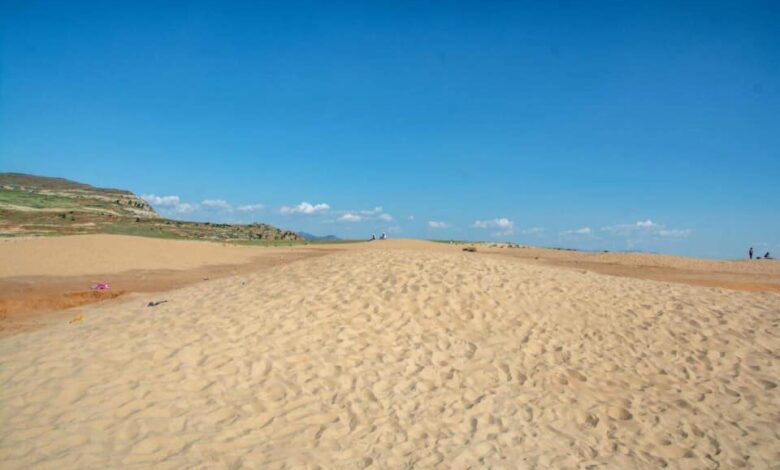
Youth participation is also shaping the future of the sector. Tšepo Lefuma, a young voice from Butha-Buthe, highlighted the tourism potential of sand dunes in his district. He noted that these sites remain largely unknown due to limited marketing and awareness. He believes that young people can play a major role in promoting tourism through content creation and social media. However, he also pointed out that lack of funding continues to limit youth involvement in tourism development activities.
Cultural and environmental factors also influence how some attractions are accessed and promoted. Lefuma explained that certain areas near initiation grounds are restricted during specific times of the year, which affects tourism activity. This shows how cultural practices must be considered when developing tourism strategies. Balancing cultural respect with tourism development remains an important challenge for stakeholders. Proper planning and consultation are needed to ensure sustainable and respectful use of such sites.
Ms Ketsiea Lephola added that familiarity is another reason many attractions are overlooked by local communities. She explained that people often ignore nearby sites because they are too accustomed to them. Ineffective marketing also contributes to low awareness of tourism opportunities within the country. She believes that young people can help address this issue by using blogs, videos, and other digital content to promote local destinations. Travel agencies and government institutions can also play a role in identifying challenges faced by lesser-known sites and supporting their development.
Lesotho’s tourism sector is undergoing a gradual but important transformation driven by community involvement, youth participation, and digital innovation. LTDC’s efforts to promote hidden attractions and support local tourism groups are helping to expand opportunities across the country. While challenges such as funding, marketing limitations, and cultural considerations remain, ongoing initiatives are creating new pathways for growth. The combination of grassroots engagement and social media promotion is opening up Lesotho’s tourism potential in new ways. If these efforts continue to develop, the country’s unique landscapes and cultural heritage could become stronger drivers of economic growth and national development.
Join 'Lesotho News' WhatsApp Channel
Get breaking Lesotho news — delivered directly to your WhatsApp.
CLICK HERE TO JOIN