Lesotho Strengthens Commitment to Biological Weapons Convention Through High-Level Stakeholders Workshop

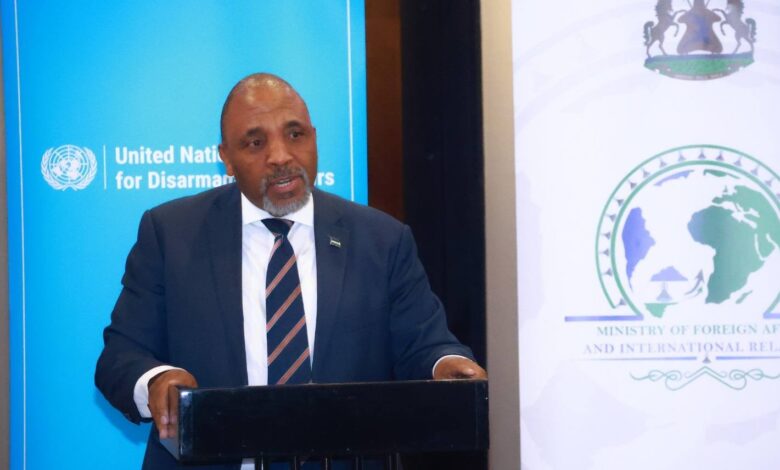
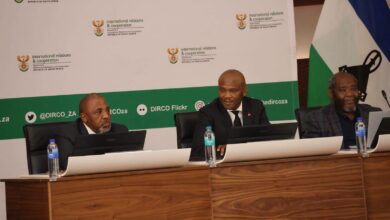
The Government of Lesotho has taken a firm step toward strengthening its national security and public health systems through a key international engagement held in Maseru from 25 to 26 March 2026. The Principal Secretary of the Ministry of Foreign Affairs and International Relations, Mr. Thabang Lekhela, officially opened the Stakeholders Workshop on Legislative Implementation of the Biological Weapons Convention. This event reflects Lesotho’s growing focus on aligning its national laws with global standards on biosafety and biosecurity. It also shows the country’s recognition of the evolving risks linked to biological threats in an interconnected world. The workshop created a platform for experts, policymakers, and partners to assess current frameworks and propose practical solutions. It placed Lesotho within the broader global effort to prevent the misuse of biological agents while protecting public health systems. This initiative signals a clear intent to strengthen legal preparedness and ensure long-term national resilience.
During his opening remarks, Mr. Lekhela emphasized Lesotho’s strong commitment to the Biological Weapons Convention and its obligations under international law. He pointed out that effective implementation requires more than policy statements and must include strong, enforceable national legislation. He stressed that biosafety and biosecurity are critical not only for preventing deliberate misuse but also for managing accidental risks in laboratories and health facilities. His message focused on the need for a coordinated approach that brings together government departments, scientific institutions, and regulatory bodies. He also highlighted that improving legislation can directly enhance the country’s ability to respond to public health emergencies. This approach aligns with global best practices where countries invest in legal systems that support early detection, rapid response, and risk mitigation. His remarks set a practical tone for the workshop and guided discussions toward measurable outcomes.
A central theme of the workshop focused on identifying gaps in Lesotho’s current legislative framework and addressing them with targeted reforms. Stakeholders examined existing laws related to health, research, and national security to determine areas that require strengthening. This process is essential because fragmented or outdated laws can limit effective implementation of international agreements like the Biological Weapons Convention. Participants explored how to harmonize national legislation with international standards to ensure compliance and improve enforcement. They also discussed the importance of clear guidelines for laboratories, research institutions, and border control agencies. These measures help reduce risks linked to biological materials and ensure safe handling practices. The workshop encouraged participants to move beyond theory and focus on actionable steps that can be implemented within realistic timelines.
Collaboration played a key role throughout the discussions, as Mr. Lekhela emphasized the importance of inclusive participation in shaping effective policies. The workshop brought together a wide range of stakeholders, including government officials, legal experts, scientists, and international partners. This diverse representation ensured that multiple perspectives were considered when addressing complex issues related to biosafety and biosecurity. Participants shared experiences and practical insights that can inform better decision making at the national level. The collaborative approach also strengthens trust among institutions and improves coordination during crisis situations. By working together, stakeholders can develop policies that are both practical and aligned with international obligations. This collective effort increases the likelihood of successful implementation and long-term sustainability.
The Government of Lesotho also expressed strong appreciation for the support received from international partners, particularly the United Nations Office for Disarmament Affairs and the Government of the United States of America. This support has been instrumental in advancing both technical expertise and policy development in the country. International cooperation provides access to resources, training, and global best practices that may not be readily available at the national level. It also strengthens Lesotho’s position within the global disarmament community and reinforces its commitment to international peace and security. Continued partnerships like these are essential for building capacity and ensuring that legislative reforms are effective and up to date. The acknowledgment of these contributions reflects the importance of shared responsibility in addressing global biological risks.
The workshop ultimately serves as a critical step in enhancing Lesotho’s implementation of the Biological Weapons Convention while promoting broader goals of peace, security, and sustainable development. By focusing on legislative improvements, the country is building a strong foundation for managing biological risks in a structured and proactive way. The outcomes of this workshop are expected to guide future policy reforms and strengthen institutional capacity across multiple sectors. This approach not only protects public health but also contributes to national stability and economic resilience. As global threats continue to evolve, countries that invest in strong legal and institutional frameworks are better prepared to respond effectively. Lesotho’s efforts demonstrate a clear commitment to responsible governance and international cooperation. The progress made during this workshop marks an important milestone in the country’s journey toward a safer and more secure future.
Join 'Lesotho News' WhatsApp Channel
Get breaking Lesotho news — delivered directly to your WhatsApp.
CLICK HERE TO JOIN