Lesotho’s Minister Nthati Moorosi Urges Media Leaders to Uphold Ethics and Drive Development-Focused Journalism

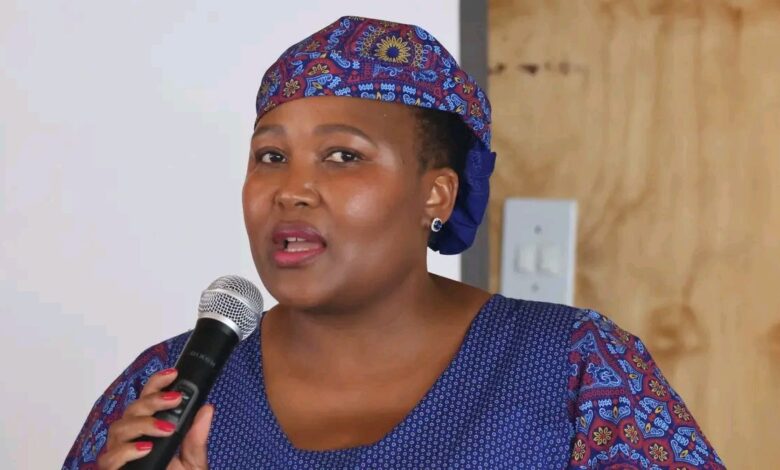
Lesotho is placing renewed focus on the role of the media in shaping a strong and accountable democracy. The Minister of Information, Communications, Science, Technology and Innovation, Honourable Nthati Moorosi, has called on media leaders to raise ethical standards and promote journalism that supports national development. She delivered this message during a workshop focused on strengthening media leadership in the country. Her remarks reflect growing concern about the influence of modern media, especially in a fast-changing digital environment. She made it clear that the media holds real power in shaping how citizens think, act, and engage with national issues. This call comes at a time when trust in information sources is under pressure across many parts of the world. The workshop created a platform to reset priorities and push for more responsible reporting practices.
Honourable Moorosi stressed that the media remains one of the most influential institutions in society. She explained that journalists and editors do more than report events, they shape public opinion and hold leaders accountable for their actions. This responsibility requires a clear commitment to truth, fairness, and accuracy in every story published or broadcast. She also pointed out that the rise of digital platforms has changed how information spreads, often at a faster pace than traditional checks can handle. Technologies like generative artificial intelligence now add another layer of complexity, making it easier to create and share misleading content. She urged media professionals to stay vigilant and maintain strong editorial standards despite these challenges. Her message focused on discipline and responsibility in an era where misinformation can spread within seconds.
The Minister warned against the dangers of sensationalism and disinformation, which can damage public trust over time. She noted that constant negative reporting without context can create fear, confusion, and division within society. This type of coverage can weaken social cohesion and reduce confidence in both institutions and the media itself. She encouraged journalists to focus on balanced reporting that not only highlights problems but also explores solutions. By doing so, the media can help citizens understand complex issues and take informed action. She also emphasized the need to include diverse voices in news coverage, especially women, youth, and marginalized communities. This approach ensures that the media reflects the full reality of society rather than a narrow perspective.
Honourable Moorosi also highlighted the government’s commitment to protecting media freedom while promoting accountability. She described the media as a key partner in national development rather than an adversary. She pointed to several reforms that aim to strengthen the media landscape in Lesotho. These include the establishment of the Media Ombudsman under the 10th Amendment to the Constitution, which will provide a structured way to address complaints and uphold standards. She also referenced the 2021 Media Policy, which sets clear guidelines for ethical and professional journalism. In addition, the government is developing Cybercrime and Cybersecurity legislation that aligns with human rights principles. These efforts aim to create a legal environment that supports both freedom of expression and responsible media practice.
The workshop itself brought together a wide group of stakeholders, including editors, journalists, and international experts. It received support from the United Nations Development Programme and the Media Institute of Southern Africa Lesotho Chapter, showing strong international backing for media development in the country. Experts from the Nation Media Group in Kenya also contributed practical insights based on their experience in a competitive media environment. This exchange of knowledge allowed participants to explore real challenges and solutions in modern journalism. The workshop focused on building leadership skills that can drive ethical decision making in newsrooms. It also encouraged collaboration among media professionals to raise standards across the industry. These engagements are important for building a strong and credible media sector that serves the public effectively.
Honourable Moorosi closed her message by urging media leaders to lead with integrity and courage in their daily work. She called on them to use their influence to shape a media environment that informs and empowers citizens. She made it clear that ethical journalism is not optional but essential for a functioning democracy. By focusing on accuracy, fairness, and inclusivity, media professionals can help build trust with their audiences. This trust is critical for national development and social stability. The workshop marked an important step toward strengthening the media sector in Lesotho. It reinforced the idea that responsible journalism can play a direct role in shaping a more informed, united, and forward-looking society.
Join 'Lesotho News' WhatsApp Channel
Get breaking Lesotho news — delivered directly to your WhatsApp.
CLICK HERE TO JOIN