Unlocking New Pathways to Finance Sustainable Development in Lesotho Through Sustainable Diaspora Bonds

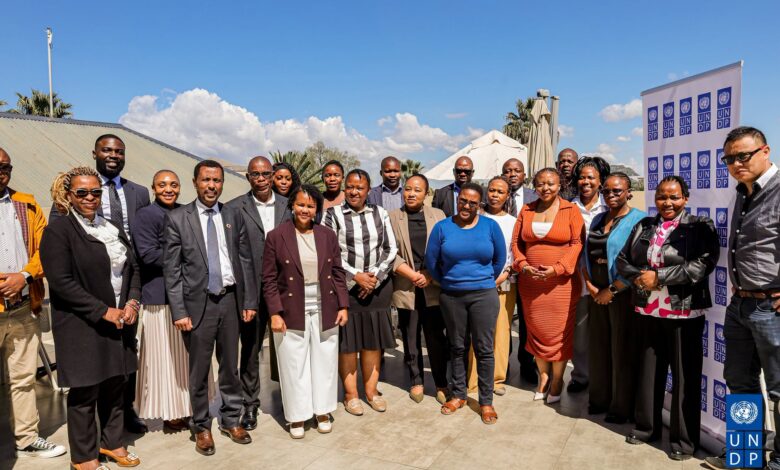
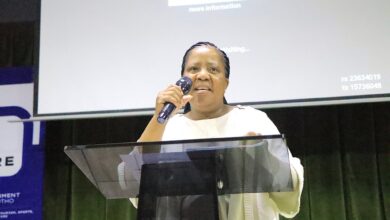
Lesotho is exploring innovative ways to finance national development, strengthen economic resilience and create more opportunities for its people. As governments face growing demands for investment in infrastructure, healthcare, education, renewable energy and climate resilience, finding reliable sources of funding has become increasingly important. A two-day Capacity-Building Workshop on Sustainable Bond Issuance, held in Maseru on 7 and 8 October, is addressing this challenge by examining how Lesotho could mobilise new sources of capital for sustainable and inclusive growth. The workshop is being convened by the Ministry of Finance and Development Planning, UNDP Lesotho and the Government of Japan under Project JSB, titled “Strengthening Lesotho’s Readiness for Sovereign Sustainable Diaspora Bond Issuance.” The initiative aims to strengthen the country’s knowledge, institutional capacity and coordination to explore a potential sovereign sustainable diaspora bond that could support national development priorities.
The workshop reflects a growing interest in innovative development financing that goes beyond traditional government revenue and conventional borrowing. Lesotho needs investment to support economic growth, improve public services and strengthen the resilience of communities facing economic and environmental pressures. Public resources alone may not always meet the country’s development needs, particularly when several sectors require investment at the same time. Innovative financial instruments can help governments explore additional sources of capital while connecting investment to clearly defined national priorities. Sustainable bonds offer one possible approach because they can direct financing towards projects with environmental or social benefits. For Lesotho, examining this option is an opportunity to assess how new financing methods could complement existing resources and contribute to long-term development.
A sovereign sustainable diaspora bond is a financial instrument through which a national government raises money from investors, including citizens living abroad and members of its diaspora, to finance eligible development activities. In a typical bond arrangement, investors provide funds to the government in exchange for a promise to repay the principal according to agreed terms and pay interest where applicable. The sustainable element comes from the commitment to allocate the proceeds to projects that meet specified environmental or social criteria. Depending on the framework adopted, eligible investments could include renewable energy, water infrastructure, climate adaptation, healthcare, education or other priorities that contribute to sustainable development. A diaspora bond specifically seeks to engage people living outside their country of origin, although participation would depend on the investment terms, applicable regulations and investor interest. If Lesotho decides to issue such a bond, its design would need to reflect the country’s financing needs, borrowing capacity and the expectations of potential investors.
The Basotho diaspora could play an important role in expanding the country’s access to development finance. Basotho living and working abroad often maintain strong family, community and national connections, and some may be interested in investment opportunities that contribute to Lesotho’s long-term prosperity. A well-designed diaspora bond could provide a formal way for interested investors to support national development while receiving clearly defined financial terms. However, emotional or cultural ties alone cannot guarantee investment. Potential investors would need confidence that the government can manage the funds responsibly, meet its repayment obligations and report accurately on how the money is used. Clear communication, credible project selection and transparent financial management would therefore be essential to attracting participation. Building this confidence could help Lesotho explore a broader relationship with its diaspora, one that includes productive investment alongside existing social and economic connections.
The capacity-building workshop is focused on strengthening the knowledge and systems needed to assess this financing option. Officials from key government institutions and the financial sector are examining the full process of issuing a sustainable bond, from identifying suitable investments to developing a credible framework and engaging potential investors. This process requires careful planning because investors need to understand the purpose of the bond, the risks involved and the arrangements for managing the proceeds. Government institutions must also determine which projects qualify, how they will measure their impact and how they will report results after the bond has been issued. These responsibilities require coordination between financial authorities, sector ministries and other relevant institutions. By building technical knowledge before making an issuance decision, Lesotho can better assess the feasibility of a sovereign sustainable diaspora bond and identify any gaps that need to be addressed.
Identifying eligible investments is one of the most important stages in developing a sustainable bond. The government would need to determine which projects align with its national development plans and meet the environmental or social criteria established under the bond framework. Potential areas could include clean energy, improved water access, climate-resilient infrastructure, healthcare facilities and education programmes, provided the selected projects meet the agreed eligibility requirements. Project selection should also consider implementation readiness, expected costs, measurable benefits and the ability to deliver results within a reasonable period. A strong project pipeline would help demonstrate that the funds raised have a clear purpose and can be put to productive use. Without suitable projects and reliable systems for assessing them, even a well-marketed bond could struggle to achieve its development objectives.
Developing a credible sustainable bond framework is another central part of the process. Such a framework normally explains how the government will use the proceeds, how it will evaluate eligible projects and how it will manage and track the money raised. It should also set out the reporting arrangements that investors and the public can expect after issuance. Clear rules can reduce uncertainty, strengthen accountability and help demonstrate that the bond’s sustainable objectives are more than general promises. Depending on the structure selected, the government may also consider independent reviews or other forms of external assessment to strengthen confidence in the framework. These measures can improve credibility, although they cannot eliminate investment risk or guarantee that every project will achieve its intended results. For Lesotho, establishing a sound framework would be an important step towards ensuring that any future sustainable bond supports measurable national priorities.
Investor engagement will also influence whether a potential sovereign sustainable diaspora bond succeeds. The government would need to understand the interests, financial circumstances and expectations of potential investors, including members of the Basotho diaspora and other eligible participants. Investors typically consider factors such as the interest rate, repayment schedule, currency, investment period, credit risk and the legal protections available to them. They may also assess whether the government has a credible plan for using the proceeds and publishing reliable reports. Effective engagement would require accessible information, clear explanations of the bond’s terms and realistic expectations about the risks and potential returns. By understanding investor concerns early, Lesotho could identify the conditions needed to make the instrument credible and attractive without taking on unnecessary financial obligations.
The workshop is also drawing on African and international experience to examine how sustainable bonds have worked in different settings. Other countries’ experiences can help Lesotho understand the opportunities associated with this type of financing, as well as the challenges that can arise during preparation and implementation. These challenges may include limited institutional capacity, high transaction costs, weak project pipelines, difficulties in measuring impact and insufficient investor demand. A bond can also create additional pressure on public finances if borrowing terms are unfavourable or if the government cannot meet its repayment obligations. Learning from other countries can help policymakers identify practical safeguards and avoid common mistakes. Nevertheless, international examples must be adapted to Lesotho’s economic circumstances, legal environment and financial market rather than copied without careful assessment.
Transparent reporting after issuance would be essential to maintaining investor confidence and protecting the public interest. Once funds have been raised, the government would need to demonstrate how the proceeds have been allocated and whether the financed projects are progressing as planned. Financial reporting should explain the use of funds, while impact reporting should provide information about the results achieved against the objectives established in the bond framework. Depending on the projects selected, relevant measures could include improved access to services, additional renewable energy capacity or stronger resilience to climate-related risks. Reporting should be clear enough for investors, citizens and other stakeholders to understand how the financing contributes to national development. Consistent monitoring can also help identify delays, improve project management and inform future financing decisions.
The involvement of UNDP Lesotho and the Government of Japan highlights the importance of international partnerships in strengthening Lesotho’s development financing capacity. Through Project JSB, the partners are supporting efforts to build the institutional knowledge and coordination needed to explore a potential sovereign sustainable diaspora bond. Such cooperation can help government officials develop technical skills, understand international practices and evaluate financing options more effectively. It can also support broader discussions about how public institutions can mobilise resources for the Sustainable Development Goals. The United Nations Sustainable Development Goals provide a shared framework for addressing poverty, improving health and education, expanding access to clean energy and promoting sustainable economic growth. Innovative financing may help advance these priorities, but its contribution will depend on sound project selection, effective implementation and responsible financial management.
For Lesotho, the potential benefits of sustainable bond issuance must be weighed against its costs and financial risks. Sovereign bonds are borrowing instruments, which means the government generally assumes an obligation to repay investors under agreed conditions. A successful issuance would therefore require a careful assessment of debt sustainability, repayment capacity, interest costs and exposure to currency movements where relevant. The government would also need to consider whether a diaspora bond offers better value than other available sources of financing. Preparation, legal work, investor engagement, external assessments and reporting can involve significant costs that should be evaluated before a decision is made. A careful feasibility assessment would help determine whether the expected development benefits justify these obligations and whether alternative financing methods might be more suitable.
The broader significance of the workshop lies in its focus on building capacity before committing to a new financial instrument. Sustainable development requires more than raising money because funding must be connected to well-planned projects, effective institutions and measurable outcomes. Strengthening coordination across government and the financial sector can help ensure that financing decisions support national priorities and that responsibilities remain clear throughout the process. It can also improve the country’s ability to assess different funding options and negotiate terms that reflect its interests. Even if Lesotho ultimately decides not to issue a sovereign sustainable diaspora bond, the knowledge gained through the process could strengthen its wider approach to development finance. The workshop therefore provides an opportunity to build lasting institutional capabilities that may prove useful across several areas of public investment.
Unlocking new pathways to finance sustainable development in Lesotho will require practical planning, responsible borrowing and strong partnerships. The Capacity-Building Workshop on Sustainable Bond Issuance, held in Maseru on 7 and 8 October under Project JSB, is helping officials explore how a sovereign sustainable diaspora bond might mobilise additional resources for national priorities. By examining eligible projects, bond frameworks, investor engagement and post-issuance reporting, participants are addressing the essential requirements for a credible financing arrangement. The involvement of the Ministry of Finance and Development Planning, UNDP Lesotho and the Government of Japan reflects a shared interest in strengthening the country’s development financing capacity. Ultimately, the success of this initiative will depend on whether Lesotho can translate the knowledge gained into sound decisions that protect public finances and deliver tangible benefits to its people. A carefully designed and transparently managed financing strategy could help the country expand investment opportunities and move closer to a more resilient, inclusive and sustainable future.
Join 'Lesotho News' WhatsApp Channel
Get breaking Lesotho news — delivered directly to your WhatsApp.
CLICK HERE TO JOIN