Lesotho Launches Integrated Deworming and Immunization Campaign to Protect Children and Adolescents

The Government of Lesotho, through the Ministry of Health, has launched an integrated Mass Drug Administration and immunization campaign designed to strengthen preventive healthcare for children and adolescents. The campaign is being implemented in partnership with the World Health Organization and other health partners. It combines three important health interventions into one coordinated public health programme, bringing deworming and vaccination services closer to targeted schools and communities. The integrated campaign focuses on deworming against soil-transmitted helminths, Human Papillomavirus vaccination for eligible young girls and Tetanus-Diphtheria booster vaccination. By delivering these interventions together, health authorities aim to make preventive healthcare more coordinated, accessible and efficient for eligible children and adolescents.
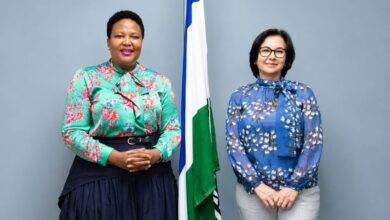
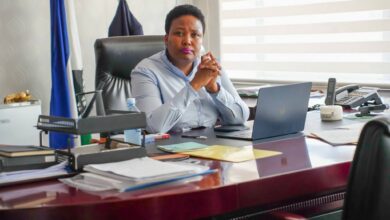
The campaign reflects a shift from delivering individual public health programmes separately to coordinating several essential interventions through one campaign. Speaking at the launch, Minister of Health Hon. Mamokete Ntsekhe said the integrated approach breaks down the traditional separation between health programmes. She described the campaign as a way of bringing comprehensive protection directly to schools and communities in an efficient, effective and equitable manner. Her comments highlighted the importance of coordinating health services where children and adolescents can access them more easily. The approach also creates an opportunity for communities to engage with several preventive health measures during the same campaign period.
Deworming forms one of the three main interventions included in the campaign. The programme targets soil-transmitted helminths, which are parasitic worms that can affect people through contact with contaminated soil or other sources of infection. Mass drug administration campaigns can help reduce the burden of these infections in communities where soil-transmitted helminths pose a public health concern. Including deworming alongside immunization allows eligible children and adolescents to receive more than one preventive health intervention through a coordinated programme. This is particularly relevant for school and community health programmes, where organized delivery can help health workers reach eligible populations during a defined campaign period.
The second intervention is Human Papillomavirus vaccination, commonly known as HPV vaccination, for eligible young girls. HPV is a common virus and certain types can cause cancers, including cervical cancer. HPV vaccination provides protection against HPV infections that can lead to serious health problems later in life. The inclusion of HPV vaccination in the campaign places prevention at an early stage and supports broader efforts to protect girls from HPV-related disease. The campaign therefore connects immediate preventive healthcare with longer-term public health goals for eligible young girls in the targeted communities.
The third intervention is the Tetanus-Diphtheria booster vaccination, commonly referred to as Td vaccination. Tetanus and diphtheria are serious bacterial diseases that vaccination can help prevent. Booster doses play an important role in maintaining protection against these diseases according to established immunization schedules. Bringing the Td booster into the same campaign allows eligible children and adolescents to access this preventive intervention alongside deworming and HPV vaccination where applicable. The combined approach gives health workers a coordinated platform for delivering several established health interventions to the populations covered by the campaign.
Minister Ntsekhe described deworming, HPV vaccination and Td booster vaccination as “three critical lines of defence” for eligible children and adolescents. Her description reflects the different health risks addressed by each intervention and the role of prevention in protecting young people. Rather than waiting for preventable diseases and infections to cause illness, the campaign focuses on providing interventions that reduce health risks before they become more serious. The integrated model also supports more coordinated engagement between health workers, schools, parents and communities. Its success will depend in part on eligible children and adolescents being reached and supported to receive the interventions for which they qualify.
The World Health Organization has reaffirmed its commitment to supporting Lesotho’s public health efforts. Speaking at the launch, WHO Representative Dr. Innocent Nuwagira said the organization remains committed to working with Lesotho to advance the goal of health for all people in the Kingdom. The partnership reflects the role of international health organizations in supporting national health programmes and strengthening preventive healthcare. Collaboration between the Ministry of Health, WHO and other partners provides a framework for coordinated implementation of the campaign. Continued cooperation can help support efforts to expand access to essential health services while responding to the specific needs of communities.
The 2026 Mass Drug Administration campaign is scheduled to run from 12 to 23 October 2026 in Butha-Buthe, Leribe, Qacha’s Nek and Thaba-Tseka. The Ministry of Health has called on parents, caregivers, schools and communities in the targeted districts to support the campaign. Their participation is important because families and schools can help ensure that eligible children and adolescents are available to receive the relevant interventions during the campaign period. Community cooperation can also help strengthen awareness about the purpose of deworming and vaccination and reduce missed opportunities for preventive care. The campaign’s geographic focus means that people in the named districts should pay attention to information provided by health authorities and participating schools about implementation in their communities.
The integrated deworming and immunization campaign represents an important step in coordinating preventive healthcare for children and adolescents in Lesotho. By combining soil-transmitted helminth deworming, HPV vaccination and Td booster vaccination, the Ministry of Health and its partners are bringing several essential interventions together within one campaign. The programme also demonstrates how schools and communities can serve as important settings for delivering preventive health services to eligible populations. Parents, caregivers, schools and communities have a practical role in supporting participation and helping eligible children and adolescents access the interventions available to them. With the 2026 campaign scheduled for 12 to 23 October in Butha-Buthe, Leribe, Qacha’s Nek and Thaba-Tseka, community support will be central to ensuring that this coordinated public health effort reaches the children and adolescents it is intended to protect.
Join 'Lesotho News' WhatsApp Channel
Get breaking Lesotho news — delivered directly to your WhatsApp.
CLICK HERE TO JOIN