MICSTI Department of Information Reviews Priorities Ahead of New Three-Year Strategic Plan

The Department of Information under the Ministry of Information, Communications, Science, Technology and Innovation is participating in a two-day Strategic Plan Review Workshop aimed at shaping the Ministry’s next three-year Strategic Plan. Convened by the Department of Planning, the workshop provides an opportunity to examine the Department’s progress, priorities and programmes before the new planning period begins. The Ministry’s Strategic Plan is aligned with the National Strategic Plan II, linking the Department’s work to broader national development priorities. The review is therefore focused on more than assessing past activities, as it also seeks to identify the priorities that will guide future programmes and services. Effective strategic planning can help the Department maintain a clear direction while ensuring that its resources and activities support its mandate.
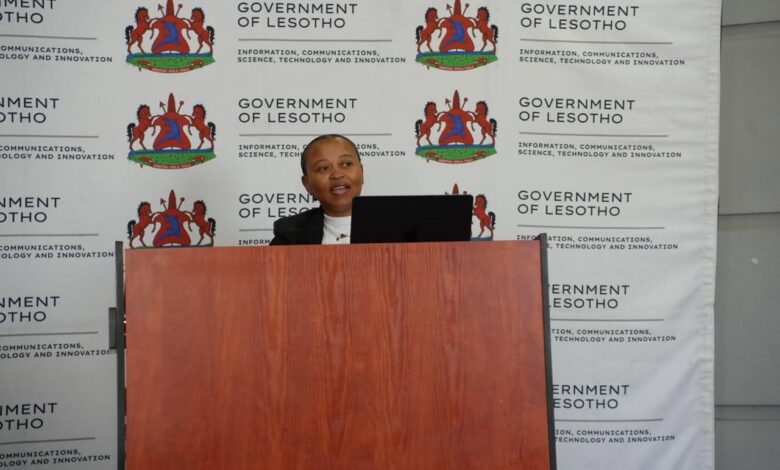
Opening the workshop, Acting Director of Information Ms. Pulane Ntjantja described the Strategic Plan as a roadmap that will guide the Department in implementing its mandate. She explained that the plan will help the Department maintain focus, guide resource allocation and provide a clear understanding of its current position and future direction. A strategic plan can provide an organised framework for determining what an institution needs to achieve and how it intends to pursue those objectives. For the Department of Information, this process provides an opportunity to connect its programmes with clearly defined priorities and available resources. It can also help staff understand how their individual activities contribute to wider departmental and ministerial goals.
The review comes at an important stage as the Ministry prepares its strategic direction for the next three years. Strategic plans provide institutions with a framework for setting priorities over a defined period rather than addressing activities on an isolated basis. Reviewing existing programmes allows officials to consider what has been achieved, what challenges remain and where changes may be necessary. It also creates an opportunity to assess whether current activities continue to respond to institutional responsibilities and national development needs. The information gathered through this process can then inform decisions about future programmes, resource allocation and implementation.
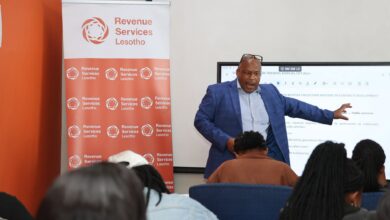
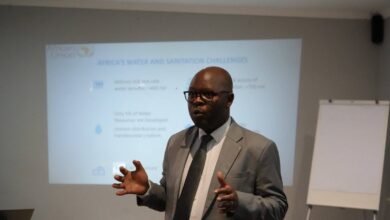
Mr. Mpale Matšela from the Office of Planning said the review will help the Department assess its contribution to the Ministry’s priorities. He noted that the process will also help ensure that departmental programmes and activities remain aligned with the Ministry’s strategic direction and the broader national development priorities outlined in NSP II. Alignment is important because government departments operate within a wider national planning framework. Individual programmes need to contribute to broader objectives while still addressing the specific responsibilities of the department implementing them. The review therefore provides a structured opportunity to examine the relationship between the Department of Information’s work and the national priorities set out in the broader planning framework.
The Department of Information has an important role in supporting the communication of information to the public. Effective information services can help citizens access government information and understand programmes, policies and developments that affect them. The strategic planning process provides an opportunity to examine how these responsibilities are being carried out and where improvements may be needed. It can also help identify priorities for strengthening communication activities over the next three years. Clear planning can support more coordinated efforts to ensure that public information services remain responsive to the needs of the people they serve.
A key part of the two-day workshop is reflection on the Department’s achievements and challenges. Reviewing achievements allows officials to consider progress made during the current planning period and identify areas where existing approaches have produced useful results. At the same time, identifying challenges can help explain why certain priorities may require additional attention or different approaches. This process can provide a more realistic foundation for developing future programmes. Strategic planning becomes more effective when it considers both progress and the practical difficulties that can affect implementation.
Resource allocation is another important issue connected to the strategic planning process. Government institutions operate within available financial, human and operational resources, which makes prioritisation necessary. A clear strategic plan can help determine which programmes require attention and how available resources should support agreed priorities. This does not remove resource constraints, but it can provide a structured basis for making decisions about where resources should be directed. For the Department of Information, aligning resources with clearly identified priorities can support more focused implementation of its mandate.
The workshop also creates an opportunity to consider whether existing programmes remain relevant to the Department’s future needs. Changing public information requirements, technological developments and evolving communication practices can affect how government departments engage with the public. Reviewing programmes can help officials identify areas that should be maintained, strengthened or reconsidered during the next strategic period. The process can also encourage greater coordination between different areas of the Department and the wider Ministry. This kind of review is useful for ensuring that strategic priorities translate into practical programmes rather than remaining broad statements of intention.
Alignment with the National Strategic Plan II provides a broader framework for this planning exercise. National strategic planning helps establish development priorities that government institutions can use when developing their own programmes and activities. By aligning the Ministry’s Strategic Plan with NSP II, the Department of Information can connect its work to national objectives while maintaining its specific institutional responsibilities. This approach can strengthen coordination between departmental planning and broader government priorities. It also provides a basis for assessing whether planned activities contribute to the national development direction.
The two-day review is therefore not simply an administrative exercise. It provides officials with an opportunity to examine the Department’s current position and consider what needs to change or improve during the next three years. Discussions around achievements, challenges, priorities and programmes can help create a clearer picture of the Department’s future needs. The process can also support better coordination between planning officials and the Department of Information. These discussions can contribute useful information to the wider process of preparing the Ministry’s next Strategic Plan.
The success of the planning process will ultimately depend on how the agreed priorities are implemented after the strategy is developed. A strategic plan can provide direction, but departments also need effective coordination, appropriate resources and regular monitoring to translate plans into results. Clear objectives can make it easier to track progress and identify areas that require attention during implementation. Regular review can also help the Department respond to changing circumstances without losing sight of its core mandate. The current workshop provides an opportunity to establish a stronger foundation for that process.
The Department of Information’s participation in the Strategic Plan Review Workshop reflects the importance of structured planning in strengthening government information services. The two-day process allows officials to assess achievements and challenges, review current priorities and identify issues that should inform the Ministry’s next three-year Strategic Plan. The alignment of the Ministry’s planning process with NSP II also connects departmental priorities to broader national development objectives. By using the review to clarify its direction, priorities and resource needs, the Department can contribute more effectively to the Ministry’s strategic planning process. The outcome is expected to support stronger planning and coordination and help guide the delivery of effective information services to the public over the next three years.
Join 'Lesotho News' WhatsApp Channel
Get breaking Lesotho news — delivered directly to your WhatsApp.
CLICK HERE TO JOIN