Lesotho Opens Climate-Resilient Water Investment Planning Workshop to Strengthen Water Security and Unlock Financing

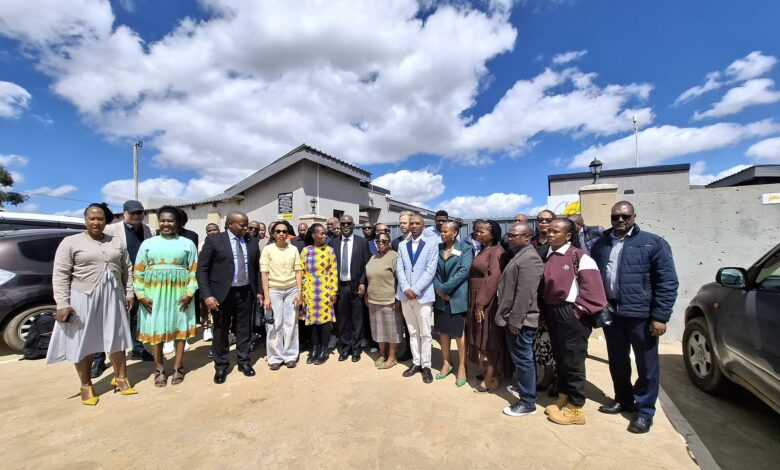
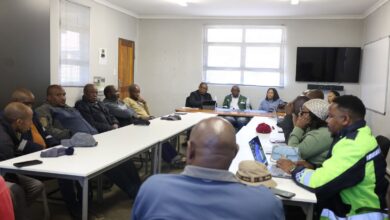
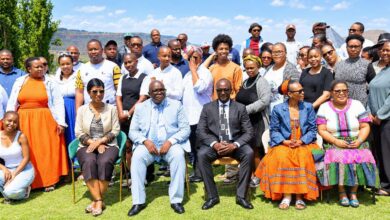
Lesotho has officially opened the National Climate-Resilient Water Investment Planning Workshop, bringing together stakeholders to develop a stronger approach to water investment in the face of climate change. The workshop was officially opened yesterday by the Principal Secretary for the Ministry of Natural Resources, Mr. Lira Ralebese. The initiative focuses on assessing climate risks, identifying priority water projects and developing a preliminary roadmap for future investment. It also seeks to identify practical financing pathways that can help turn priority water needs into bankable and implementable projects. The discussions come at a time when reliable and resilient water systems are increasingly important to economic development, public services and climate adaptation.
Speaking at the workshop, Mr. Ralebese emphasized that water should not be viewed only as physical infrastructure such as dams, pipelines, reservoirs and water supply networks. He described water as a critical enabler of development because it supports businesses, industries and the wider economy. This means decisions about water investment can have consequences across several parts of the economy and should account for these connections during planning. Strong water systems can support economic activity while also helping communities and institutions respond to climate-related pressures. For Lesotho, this broader perspective creates a basis for planning water investments around both development needs and long-term resilience.
Climate change is an important consideration in the country’s water investment planning because changes in rainfall, drought conditions, flooding and other climate-related pressures can affect water availability and infrastructure. Building climate-resilient water systems requires decision-makers to consider these risks before projects are designed and financed. Investment planning can help identify where existing systems may be vulnerable and where new or upgraded infrastructure could strengthen resilience. It can also help ensure that limited financial resources are directed toward projects that address clearly identified risks and development priorities. The workshop therefore provides a platform for linking climate risk assessment with practical water infrastructure and investment decisions.
Mr. Ralebese also expressed appreciation for the contribution of development partners supporting water and climate-related initiatives in Lesotho. These partners include GIZ through ReNOKA, the Lesotho Lowlands Rural Water Supply and Sanitation Project and the African Development Bank through the Global Environment Facility component. Their involvement reflects the importance of collaboration between the Government of Lesotho and development institutions in addressing water and sanitation challenges. Development partnerships can provide technical expertise, financial resources and support for planning and implementation. The workshop provides an opportunity to strengthen coordination among these efforts and connect them with a broader national investment planning framework.
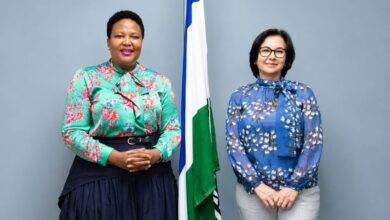
The African Union representative, Ms Leah Wanambwa, highlighted the wider challenge facing the continent. Africa has a significant funding gap in water and sanitation, making it necessary for countries to develop credible investment plans that can attract different forms of finance. For Lesotho, this means moving beyond simply identifying water and sanitation needs and developing a clear plan that shows which investments should receive priority and how they can be financed. A credible investment plan can provide greater clarity to public institutions, development partners and potential climate finance providers. It can also help connect national priorities with financing opportunities available through development and climate-related institutions.
Ms Wanambwa also stressed the need for a multi-sector approach to water investment planning. Water affects several areas of national development, including health, agriculture and energy, so decisions made in one sector can influence outcomes in another. She said ministries responsible for finance, environment and local government should work together because water challenges extend beyond the responsibilities of a single institution. Such coordination can help align government budgets, environmental priorities, local development needs and water sector investments. A coordinated approach can also reduce fragmentation and create a clearer national framework for attracting and managing investment.
The Climate-Resilient Water Investment Planning Workshop is focused on three closely connected tasks. Participants are assessing climate risks that could affect water resources and infrastructure across Lesotho. They are also working toward a preliminary roadmap that identifies and prioritizes water projects based on national needs and resilience considerations. The workshop will further examine the next steps needed to unlock potential financing pathways for these projects. Together, these activities are intended to move water investment planning from the identification of challenges toward a more structured process for developing, prioritizing and financing solutions.
The financing component is particularly important because water infrastructure often requires significant investment over long periods. Public funding remains important, but governments can also work with development partners and climate finance institutions to support projects that meet relevant criteria. A clear investment plan can help demonstrate where funding is needed, what projects are being proposed and how those projects relate to broader development and climate objectives. It can also give potential financing partners a better basis for assessing opportunities and determining where their support could contribute. For Lesotho, developing this investment framework can therefore support both immediate planning needs and longer-term efforts to mobilize resources for the water sector.
The workshop also highlights the connection between water security and climate resilience. Reliable water systems can support households, businesses, agriculture and public services, while resilient infrastructure can help reduce the effects of climate-related disruptions. Planning investments around these combined objectives can help ensure that water projects deliver benefits beyond the construction of physical infrastructure. It also encourages decision-makers to consider how projects will perform under changing environmental conditions over time. This approach can make climate risk an integral part of water investment decisions rather than an issue considered separately after projects have already been planned.
The National Climate-Resilient Water Investment Planning Workshop marks an important stage in efforts to strengthen Lesotho’s approach to water investment and climate adaptation. The discussions are centered on practical issues, including climate risk assessment, project prioritization, investment planning and access to finance. The emphasis from both the Ministry of Natural Resources and the African Union is that water planning must connect different sectors and involve institutions beyond the water sector itself. A credible, multi-sector investment plan can help Lesotho communicate its priorities more clearly while creating a stronger foundation for public, development and climate finance. As the country works to build resilient water systems, the workshop provides an opportunity to connect water security, economic development and climate resilience within a more coordinated national investment framework.
Join 'Lesotho News' WhatsApp Channel
Get breaking Lesotho news — delivered directly to your WhatsApp.
CLICK HERE TO JOIN