Lesotho and Germany Explore Economic Cooperation and Investment Opportunities Ahead of Berlin Global Dialogue 2026

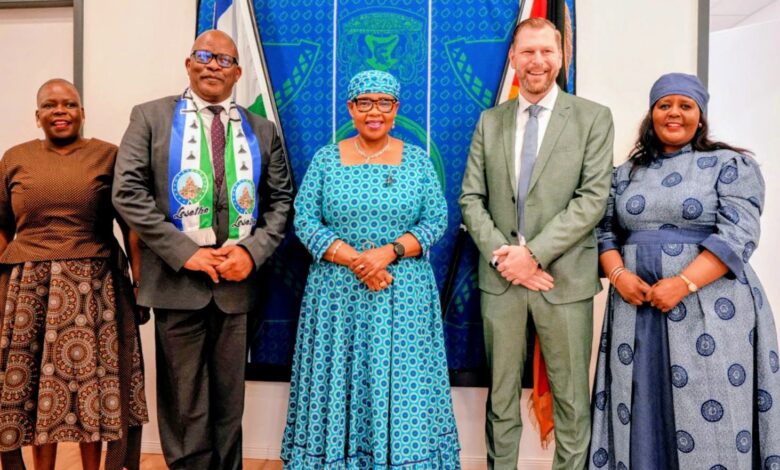
Lesotho and Germany are exploring new opportunities to strengthen economic cooperation, attract investment and build stronger business partnerships following a business roundtable held in Berlin ahead of the Berlin Global Dialogue 2026. The meeting brought together representatives from both countries to discuss investment opportunities that could support economic growth, create jobs and encourage sustainable development. Lesotho is seeking to expand its international economic partnerships by attracting investors who can contribute capital, technology and expertise to key sectors of its economy. Germany, known for its industrial capabilities, advanced technologies and technical training systems, could play an important role in supporting Lesotho’s development ambitions. The discussions highlighted the potential for closer cooperation in renewable energy, water management, agriculture, textiles, manufacturing and tourism, with both countries encouraged to pursue partnerships that deliver lasting economic benefits.
Deputy Prime Minister Justice Nthomeng Majara called for stronger business partnerships between Lesotho and Germany, emphasising the importance of private sector investment in driving economic development. She highlighted the need to build commercial relationships that can generate employment, expand productive industries and create new opportunities for businesses in both countries. For Lesotho, attracting foreign investment is an important part of efforts to diversify the economy and improve the livelihoods of its people. Stronger cooperation with German companies could help local businesses gain access to new technologies, production methods and international markets. Majara’s message underscored the importance of moving beyond diplomatic engagement towards practical business arrangements that support job creation, economic resilience and long-term growth.
Renewable energy emerged as one of the important areas of potential cooperation between Lesotho and Germany. Lesotho has natural conditions that offer opportunities for wind and solar energy development, making renewable power an area of interest for investors seeking sustainable energy projects. Investment in this sector could help expand electricity generation, improve energy access and support businesses that depend on reliable power supplies. German companies could potentially contribute expertise in renewable energy technology, engineering, equipment and project development. However, turning these opportunities into successful projects would require careful planning, appropriate financing, reliable infrastructure and a supportive investment environment.
Water management is another sector with significant potential for bilateral cooperation. Lesotho’s water resources are an important national asset and contribute to the country’s economic and regional development. Effective water management can support agriculture, improve access to essential services and strengthen the resilience of communities facing environmental and climate-related pressures. German expertise in water infrastructure, treatment systems, efficient distribution and environmental management could offer useful opportunities for collaboration. Investment in this area could also support better resource management and the development of infrastructure that serves households, businesses and productive industries.
Agriculture also presents opportunities for closer economic cooperation, particularly in efforts to improve productivity, strengthen food security and expand commercial farming. Investment in agricultural technology, irrigation, storage facilities and food processing could help Lesotho increase the value of its agricultural output. Stronger links between farmers, processors and buyers could also create new opportunities for rural businesses and improve access to markets. German companies with relevant experience in agricultural machinery, processing equipment and sustainable farming systems could contribute to these efforts. Successful partnerships would need to reflect local conditions, strengthen the capacity of farmers and ensure that the benefits of investment reach communities across the country.
The textiles and manufacturing sectors offer further opportunities for Lesotho to attract investment and expand its industrial base. Textiles have an established place in Lesotho’s export-oriented manufacturing economy, making the sector relevant to discussions about job creation, industrial growth and international trade. Greater cooperation with German businesses could help local manufacturers improve production efficiency, adopt modern equipment and strengthen quality standards. Beyond textiles, investment in other manufacturing activities could encourage economic diversification and create additional employment opportunities. For these opportunities to deliver sustainable results, businesses would need to consider skills development, infrastructure, production costs and access to export markets.
Tourism was also identified as a sector with potential to support economic growth and create employment. Lesotho’s mountainous landscape, cultural heritage and natural attractions provide opportunities to develop tourism products for domestic and international visitors. Investment in accommodation, transport, visitor facilities and tourism services could help improve the visitor experience and support businesses in local communities. German investors could explore partnerships that combine commercial opportunities with responsible environmental management and the preservation of cultural heritage. Sustainable tourism development could create income for local enterprises while helping Lesotho strengthen its international profile as a destination for nature-based and cultural experiences.
Minister of Foreign Affairs and International Relations Honourable Limpho Tau encouraged German investors to explore the opportunities available in Lesotho. She pointed to the country’s water resources, wind and solar energy potential and skilled workforce as important considerations for businesses assessing possible investments. Her appeal reflected Lesotho’s interest in building international partnerships that support productive economic activity and strengthen domestic industries. Access to investment capital and technical expertise could help businesses develop projects that might otherwise face financial or technological constraints. At the same time, attracting investors will depend on the ability to present commercially viable projects, provide clear information about investment conditions and establish partnerships that respond to the needs of both countries.
Germany’s technological expertise was another central theme of the discussions. Mr Claus Mayer of the Federal Association for Economic Development and Foreign Trade highlighted the opportunity for German capabilities to support Lesotho’s industrial development, sustainable infrastructure and vocational training. German companies could potentially contribute modern production systems, engineering knowledge and technical solutions that help improve industrial performance. Cooperation in sustainable infrastructure could also support the development of facilities and services needed for economic expansion. These contributions would be most effective when combined with local knowledge, appropriate financing and clear plans for maintaining projects over the long term.
Vocational training and skills development could become an important part of future cooperation between the two countries. As industries adopt new technologies and production methods, workers need practical skills that match changing business requirements. Partnerships between German companies, Lesotho’s training institutions and local employers could help strengthen technical education and improve opportunities for young people entering the workforce. Training programmes could focus on areas such as manufacturing, renewable energy, engineering, equipment maintenance and other technical occupations, depending on employer demand. By connecting skills development with actual business needs, both countries could help prepare workers for available jobs while supporting the growth of local industries.
Mr Mayer also reaffirmed the Federal Association for Economic Development and Foreign Trade’s commitment to connecting businesses and promoting investment that benefits both countries. Business organisations can play an important role in helping companies identify potential partners, understand new markets and explore opportunities for joint projects. For Lesotho and Germany, these connections could help turn discussions into commercial relationships with measurable economic outcomes. Effective cooperation would require businesses to identify realistic opportunities, assess financial and operational risks and agree on clear responsibilities. Continued engagement between business leaders and government representatives could help build the confidence needed to advance investment proposals.
The business roundtable took place ahead of the Berlin Global Dialogue 2026, providing an opportunity to discuss economic cooperation in an international business setting. Such engagement can help countries communicate their investment priorities, establish professional networks and explore areas where their economic strengths complement each other. For Lesotho, the discussions offer a platform to present investment opportunities and seek partners with the technology, experience and resources needed to support development. For Germany, closer engagement could create opportunities for companies interested in renewable energy, infrastructure, manufacturing, agriculture and other sectors. The value of the discussions will ultimately depend on whether they lead to sustained engagement, credible investment proposals and projects that meet the needs of businesses and communities.
Despite the opportunities, attracting investment requires more than identifying promising sectors and inviting foreign companies to participate. Investors typically assess infrastructure, access to markets, workforce capabilities, regulatory conditions, project financing and the potential for reliable returns. Lesotho’s efforts to strengthen economic cooperation with Germany would therefore benefit from clear investment priorities, transparent processes and practical support for businesses seeking to establish or expand operations. Local companies and workers should also have opportunities to participate in new projects through employment, supplier relationships and skills development. These considerations can help ensure that international investment supports domestic economic capacity rather than creating isolated commercial activities with limited benefits for the wider economy.
The partnership could also support a broader approach to sustainable economic development. Renewable energy and water management projects could contribute to more efficient resource use, while improvements in agriculture and manufacturing could strengthen productivity and competitiveness. Investment in tourism could create opportunities for small businesses, while vocational training could help workers develop skills that remain valuable across different industries. These sectors are connected because progress in one area can support activity in others. For example, reliable energy supplies can benefit manufacturers, improved transport and infrastructure can support tourism and agricultural businesses, while technical training can help employers across the economy recruit workers with relevant skills.
The discussions between Lesotho and Germany demonstrate a shared interest in exploring stronger economic links through investment, technology transfer and business cooperation. Deputy Prime Minister Justice Nthomeng Majara’s call for stronger partnerships, Minister Limpho Tau’s appeal to German investors and Mr Claus Mayer’s emphasis on technological expertise and vocational training all point to the importance of practical collaboration. Renewable energy, water management, agriculture, textiles, manufacturing and tourism offer potential areas for developing projects that support employment and economic growth. However, these opportunities will require continued dialogue, sound project planning and a business environment that encourages responsible investment. If both countries build on the momentum created by the Berlin business roundtable, their cooperation could help expand commercial ties, strengthen Lesotho’s productive sectors and create lasting benefits for businesses and communities in both nations.
Join 'Lesotho News' WhatsApp Channel
Get breaking Lesotho news — delivered directly to your WhatsApp.
CLICK HERE TO JOIN