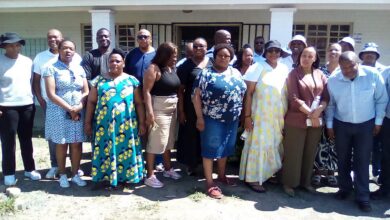
The Lesotho Football Association (LEFA) is advancing a vision to improve football facilities across the country as part of efforts to raise the standard of the sport at local, national, regional and international levels. LEFA President Mr. Lijane Nthunya outlined this vision during a gala dinner held in Mokhotlong over the past weekend. The event focused on raising funds to purchase and lay lawn at a community football playground in the district. The initiative reflects a broader effort to create better playing conditions and provide football communities with facilities that can support long-term development. For Mokhotlong, the project could also address a long-standing challenge that forces local teams to travel outside the district to host matches.
The fundraising event was organised jointly by LEFA and the Mokhotlong District Football Association (DIFA). Its immediate goal was to raise the resources required to improve the community playground by installing a suitable lawn surface. Mr. Nthunya explained that once the project is successfully completed, Mokhotlong teams should be able to host local matches at their home ground rather than travelling outside the district. This would give clubs greater access to facilities within their own communities and could make football more accessible to players and supporters. The project therefore carries significance beyond the improvement of a single football pitch, as it forms part of LEFA’s wider approach to strengthening football infrastructure in Lesotho.
Mokhotlong has football clubs with strong support from the local community, including Mzamane and Black Five. These clubs represent the importance of having functional football grounds where teams can train, compete and engage with their supporters. When clubs cannot host matches in their own district, players and fans face additional travel requirements while the local community loses some of the economic and social activity that match days can generate. A suitable home ground could help strengthen the relationship between clubs and their supporters. It could also create a more consistent environment for local competitions and player development.
Mr. Nthunya said LEFA’s plans extend beyond Mokhotlong, with the association seeking improved football infrastructure across all districts of Lesotho. The longer-term vision includes the establishment of regional stadiums serving the northern, southern and central parts of the country. Such facilities could provide important venues for competitive football while reducing some of the infrastructure gaps that affect clubs and players. Regional facilities could also give communities better access to organised football and create spaces suitable for different levels of competition. The proposed approach shows that LEFA views football infrastructure as an important part of building a stronger national football system.
Quality football facilities can have a direct influence on how the sport develops. Well-maintained playing grounds give players safer and more consistent conditions in which to train and compete. They can also make it easier for coaches to organise regular training sessions and identify players with potential. Supporters are more likely to attend matches when venues provide an appropriate environment for watching football. Mr. Nthunya argued that better facilities can help increase the number of players, coaches and supporters involved in the sport, creating a wider base from which Lesotho football can grow.
Talent identification was another important part of the LEFA President’s message. He emphasised that football infrastructure provides places where talent can be identified and developed for Lesotho. Young players need regular opportunities to train and play competitive football if they are to improve their technical, tactical and physical abilities. Coaches also need reliable facilities where they can work with players over time and monitor their progress. Better community grounds can therefore support the development pathway from grassroots football to higher levels of competition.
The improvement of football grounds can also benefit football clubs in practical ways. A team that has access to a suitable home venue can organise training more consistently and build stronger links with its local supporters. Home matches can bring players, coaches, families, supporters and local businesses together around a common activity. This can help create stronger football communities and encourage young people to become involved in the sport. Over time, consistent access to suitable facilities can contribute to a more organised and sustainable football environment.
The success of the Mokhotlong project depends on cooperation among different stakeholders. Mr. Nthunya recognised the contributions of corporate companies, members of the business community and individuals who have supported efforts to improve the football ground. These contributions demonstrate that football development does not depend on a football association alone. Businesses and individuals can provide financial support, services, equipment and other resources that help turn infrastructure plans into completed projects. Continued cooperation will be important if similar initiatives are to reach other districts across Lesotho.
LEFA has also welcomed the involvement of Radisol Global Investments, which has entered into a strategic partnership with the association. The partnership is intended to assist LEFA in attracting investment into Lesotho’s football fraternity and supporting improvements within the sport. Speaking at the gala dinner, Radisol Global Investments founder Mr. Solomon Motsepe of South Africa expressed his commitment to helping LEFA improve football in Lesotho. He highlighted practical needs faced by players, including access to soccer boots and suitable grounds for playing matches. His comments reinforced the idea that football development requires attention to both infrastructure and the equipment that players need.
The focus on soccer boots is particularly relevant to grassroots football because equipment can influence whether young players have the basic resources required to participate. Suitable football grounds are equally important because equipment alone cannot create an effective playing environment. Players need places where they can train regularly and compete under appropriate conditions. Coaches need those same spaces to teach skills and develop teams. Combining improved infrastructure with better access to equipment could therefore give football development programmes a stronger foundation.
The project could also have benefits beyond football itself. Mokhotlong District Administrator Mr. Kepa Keqe said an improved playground could attract more visitors to the district when matches and football events are hosted there. Increased visitor activity can create opportunities for local businesses involved in transport, food, accommodation and other services. Football events can bring supporters and teams from other areas into a community, generating economic activity around match days. This means investment in football facilities can potentially contribute to local economic development as well as sporting development.
The Mokhotlong DIFA Acting President Mr. Lenka Mokhethi thanked the current LEFA administration for taking the initiative to raise funds for improving the football ground in the district. His remarks highlighted the importance of cooperation between the national football association and district-level football structures. Local football administrators understand the needs of their communities and can help ensure that infrastructure projects respond to those needs. National support can then provide broader coordination and help connect district projects to LEFA’s overall football development strategy. This relationship will be important as the association seeks to expand similar initiatives across the country.
The Mokhotlong fundraising initiative is described as the first of many projects that LEFA plans to roll out across Lesotho. Its importance will therefore be measured not only by the completion of the local playground but also by whether it helps establish a sustainable approach to football infrastructure development. Future projects will need strong planning, funding, maintenance and cooperation with district football structures and local communities. Building a football ground is only the beginning because facilities must also be maintained so that they remain useful for players and clubs. A coordinated national programme could help ensure that improvements in one district form part of a wider and consistent football development strategy.
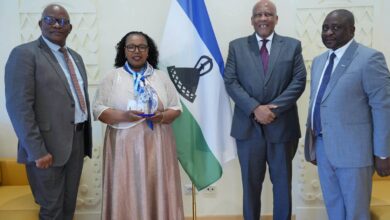
The gala dinner also recognised individuals and organisations that have contributed positively to football in Mokhotlong and Lesotho. Certificates of Appreciation were presented to Mr. Seabata and Makhadebe Mzamane, Matoetoe Fleet Management Company and Siea-o-butše Blocks for their continued support. Recognition of these contributors shows the role that local businesses and individuals can play in supporting community football. Their involvement also demonstrates that football development can benefit from partnerships that bring together different parts of the community. Such support can help create momentum for future projects and encourage additional stakeholders to participate.
LEFA’s focus on football infrastructure comes at an important point for the development of the sport in Lesotho. The quality of facilities affects where players train, where clubs compete and where supporters experience football. It also influences the ability of coaches and administrators to organise activities consistently. By improving community grounds and pursuing the longer-term goal of regional stadiums in the north, south and central parts of the country, LEFA is seeking to address infrastructure needs at multiple levels. The success of these plans will depend on sustained investment and effective cooperation between the association, districts, businesses, communities and other football stakeholders.
The Mokhotlong project provides a clear example of how a local football facility can become part of a broader national vision. The immediate objective is to create a better playing surface so that teams such as Mzamane and Black Five can host matches closer to their supporters. The wider objective is to improve football infrastructure throughout Lesotho and create better conditions for players, coaches and fans. Better facilities can support talent identification, player development, stronger competitions and increased participation in football. If the planned initiatives are implemented and maintained successfully, they could provide a stronger foundation for Lesotho football at grassroots level and help create pathways for talent to progress to national, regional and international competition.
The message from LEFA management is clear: football development requires more than talented players and committed coaches. It also requires reliable facilities where players can train, clubs can compete and communities can support their teams. The Mokhotlong fundraising initiative demonstrates how government representatives, football administrators, businesses, individuals and football supporters can contribute to a shared sporting objective. The planned expansion of infrastructure projects across Lesotho could give more communities access to suitable football facilities while supporting local participation and economic activity. For LEFA, the ultimate goal is to build an environment where quality football infrastructure helps identify talent, develop players and strengthen Lesotho’s football standard from the community level to the international stage.
Join 'Lesotho News' WhatsApp Channel
Get breaking Lesotho news — delivered directly to your WhatsApp.
CLICK HERE TO JOIN