EU-SADC Economic Partnership Agreement Marks 10 Years of Trade Growth and Investment

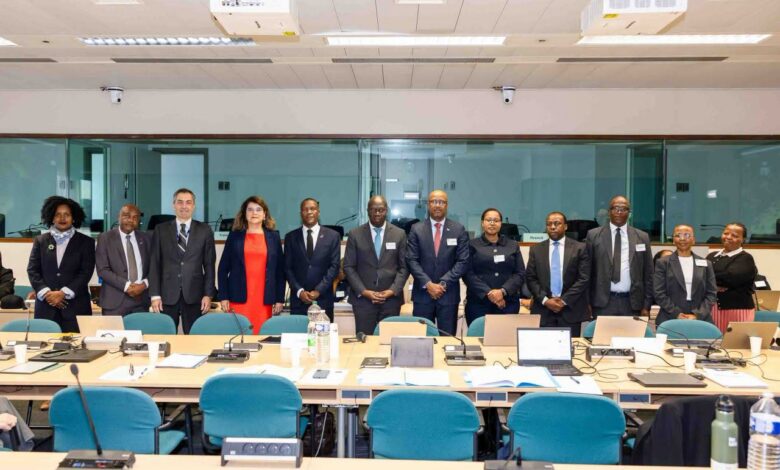
Brussels recently welcomed representatives from Botswana, Eswatini, Lesotho, Mozambique, Namibia and South Africa for the 11th European Union-Southern African Development Community (EU-SADC) Trade and Development Committee meeting. The gathering provided an opportunity for the participating partners to review progress under their Economic Partnership Agreement, which marked its 10th anniversary in 2026. The milestone highlighted reported growth in trade and investment, as well as an increase in the variety of goods exchanged between the two regions. Beyond celebrating these achievements, the meeting focused on practical steps to improve market access, expand business opportunities and strengthen agricultural cooperation. Lesotho also held a bilateral meeting with the European Union on market access, highlighting the importance of addressing specific trade concerns that affect businesses and exporters.
The Economic Partnership Agreement between the European Union and the participating Southern African Development Community countries is designed to support trade and economic cooperation by improving access to markets and establishing rules for commercial exchanges. Such agreements can help businesses reach customers beyond their domestic markets, while providing greater clarity on the conditions under which goods can be traded. For participating African countries, access to the European market can create opportunities for exporters, producers and businesses seeking to expand their operations. The agreement also provides a framework for dialogue on trade-related challenges and opportunities between the two regions. Its 10th anniversary therefore offered an important opportunity to assess progress and identify areas where further cooperation could deliver greater economic benefits.
One of the key figures highlighted during the anniversary celebrations was a reported 26% increase in trade since 2016. This growth points to an expansion in commercial exchanges between the EU and the participating SADC partners over the period covered by the figures. Increased trade can create opportunities for businesses to sell more products, reach new customers and strengthen their position in international markets. However, the overall growth figure does not by itself show how the benefits have been distributed among individual countries, industries or businesses. Understanding the full impact of the agreement requires consideration of the types of goods traded, the value of exports and imports, and the extent to which smaller businesses and local producers have benefited.
Investment was also reported to have increased by 31%, marking another important development during the agreement’s first decade. Investment can support economic activity by helping businesses expand production, improve infrastructure, adopt new technology and develop their workforce. When investment reaches productive sectors, it can also create employment opportunities and strengthen links between local suppliers and international markets. However, the significance of the reported increase depends on factors such as the sectors receiving investment, the countries benefiting and the extent to which projects generate lasting economic value. Continued cooperation between the European Union and Southern African countries can help identify opportunities for investment that support local production, business growth and sustainable development.
Another achievement highlighted during the meeting was the growing variety of products traded between the two regions. Diversification matters because economies that rely heavily on a narrow range of exports can be vulnerable to changes in prices, demand and international market conditions. Expanding the range of products available for export can help businesses reach different customers and create additional sources of income. For Southern African countries, opportunities to develop and export a wider range of agricultural products, manufactured goods and other value-added products can support broader economic development. Realising these opportunities requires investment in production capacity, quality standards, transport systems and the technical knowledge needed to meet international market requirements.
Despite the reported progress, improving market access remained an important priority during the 11th EU-SADC Trade and Development Committee meeting. Access to a foreign market involves more than having a trade agreement in place. Exporters must also comply with product standards, customs procedures, certification requirements and other regulations that may differ between markets. These requirements can create particular difficulties for smaller businesses that have limited financial resources or lack experience in international trade. Addressing unnecessary barriers, improving access to trade information and strengthening cooperation between relevant authorities could help businesses make more effective use of the opportunities provided by the agreement.
The meeting also placed emphasis on creating more opportunities for businesses, recognising their role in turning trade arrangements into tangible economic activity. Businesses are responsible for producing goods, finding customers, developing supply chains and identifying opportunities in new markets. However, they may struggle to expand internationally when they face high transport costs, limited access to finance, complex administrative requirements or insufficient information about foreign customers. Cooperation between the EU and SADC partners can help identify practical ways to reduce these challenges and improve the environment for cross-border trade. Greater participation by small and medium-sized enterprises would be particularly valuable because it could help spread the benefits of international trade across a wider section of the economy.
Agriculture was another important area of discussion, reflecting the sector’s relevance to livelihoods, food production and economic activity across Southern Africa. Stronger agricultural cooperation can create opportunities for producers to improve productivity, develop new products and reach additional customers. Access to the European market may offer potential benefits for eligible agricultural exporters, provided they can meet the required quality, safety and regulatory standards. Producers may also need support with processing, packaging, storage and transport to ensure that goods reach their destinations in suitable condition. Strengthening cooperation in these areas could help improve the competitiveness of agricultural businesses while supporting more resilient supply chains.
For Lesotho, the discussions on market access are particularly relevant to the country’s efforts to expand economic opportunities and strengthen its participation in international trade. The country operates within a regional economy where trade links, transport networks and access to larger markets influence the prospects of local producers and businesses. A trade agreement can provide useful opportunities, but businesses must still be able to produce competitive goods, meet market requirements and deliver products reliably. Addressing barriers to market access can therefore help Lesotho identify ways to improve the position of its exporters and encourage greater participation in international commerce. Continued dialogue with the European Union offers a channel for raising these concerns and exploring practical measures that could make trade opportunities more accessible.
The EU and Lesotho held a separate bilateral meeting on market access alongside the annual committee gathering in Brussels. This discussion gave the two partners an opportunity to focus on issues affecting their bilateral trade relationship rather than relying exclusively on broader regional discussions. Bilateral engagement can help governments examine country-specific challenges, clarify trade requirements and identify areas where additional cooperation may be useful. For Lesotho, such discussions can support efforts to improve understanding of European market conditions and address obstacles that may limit the ability of local businesses to export. The meeting itself does not establish that specific barriers were resolved, but it demonstrates the continued importance of direct dialogue between the two partners.
The wider EU-SADC relationship also reflects the importance of regional cooperation in a global economy where businesses depend on reliable trade links and access to international customers. Southern African countries have different economic structures and production strengths, but they share an interest in expanding trade, attracting investment and supporting sustainable economic development. Cooperation with the European Union can provide opportunities to strengthen commercial relationships, exchange expertise and improve the conditions for businesses to operate across borders. At the same time, the benefits of these partnerships depend on whether participating countries can develop competitive industries, improve infrastructure and ensure that local enterprises can take advantage of available market opportunities. Continued monitoring and practical implementation are therefore essential to translating trade commitments into measurable benefits for businesses and communities.
The 10th anniversary of the EU-SADC Economic Partnership Agreement marked an opportunity to recognise reported gains while considering the work that remains. The reported 26% growth in trade and 31% increase in investment since 2016, alongside a wider variety of traded products, point to progress during the agreement’s first decade. However, continued efforts to improve market access, support businesses and strengthen agricultural cooperation will be important to sustaining that progress. The EU-SADC Trade and Development Committee meeting in Brussels provided a platform for the partners to review these priorities, while the bilateral meeting between the EU and Lesotho created space for more focused discussions on market access. The next stage of the partnership will depend on how effectively the participating countries turn these discussions into practical improvements that help businesses grow, expand trade and contribute to inclusive economic development.
Join 'Lesotho News' WhatsApp Channel
Get breaking Lesotho news — delivered directly to your WhatsApp.
CLICK HERE TO JOIN