Lesotho Hosts 2nd National Science, Technology and Innovation Forum to Advance the Biodigital Economy

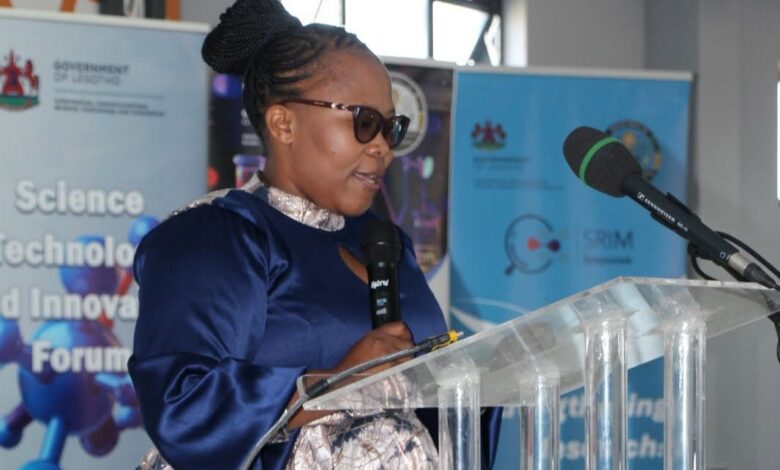
Lesotho is strengthening its commitment to science, technology and innovation through the hosting of the 2nd National Science, Technology and Innovation (STI) Forum in Maseru. Organised by the Ministry of Information, Communications, Science, Technology and Innovation (MICSTI), through the Department of Science, Technology and Innovation, the two-day gathering brings together key stakeholders to explore how emerging technologies can support sustainable development and inclusive economic growth. Held under the theme “Harnessing the Biodigital Economy for Sustainable Development and Inclusive Growth in Lesotho,” the forum focuses on the growing relationship between biological sciences and digital technologies. It provides an important opportunity for government institutions, researchers, businesses and innovators to exchange ideas and identify practical solutions to national development challenges. The event also highlights Lesotho’s efforts to strengthen its innovation ecosystem and use scientific knowledge to create new economic opportunities.
The 2nd National STI Forum brings together representatives from government ministries and agencies, academic institutions, research organisations, the private sector, innovators, entrepreneurs, investors and development partners. This broad participation creates opportunities for different sectors to share knowledge and explore areas where collaboration can produce meaningful results. Science, technology and innovation often require cooperation between institutions with different skills, resources and areas of expertise. Government agencies can help establish supportive policies and regulatory frameworks, while universities and research institutions contribute scientific knowledge and technical expertise. Businesses and entrepreneurs can help transform research findings and innovative ideas into practical products and services that respond to market needs.
The central focus of the forum is the biodigital economy, an emerging area that combines biological sciences with digital technologies to create new solutions across different sectors. It involves the use of tools such as artificial intelligence, data analytics, biotechnology and digital platforms to improve how biological resources and natural systems are understood and managed. These technologies can support developments in agriculture, healthcare, environmental protection and industrial production. For developing economies such as Lesotho, the biodigital economy presents opportunities to improve productivity, encourage research and create new forms of economic activity. However, achieving these benefits requires investment in infrastructure, scientific research, technical skills and effective policies.
Agriculture is one of the key areas where biodigital innovation can support sustainable development in Lesotho. The integration of digital technologies and biological research can help improve agricultural productivity, strengthen food security and support more efficient use of natural resources. Digital tools can assist farmers with access to weather information, market data and agricultural advice. Biotechnology and scientific research can also contribute to developing improved agricultural practices and understanding crop and livestock challenges. These approaches could help farmers make better-informed decisions and respond more effectively to changing environmental conditions. Discussions on bio-digital agriculture therefore provide an opportunity to consider how innovation can support agricultural development and rural livelihoods.
Digital health and biotechnology are also important areas of discussion at the national STI forum. Healthcare systems increasingly rely on technology to improve information management, support medical research and strengthen the delivery of health services. Digital health solutions can make it easier to manage patient information, coordinate healthcare services and improve access to relevant medical information. Biotechnology can contribute to scientific research, diagnostics and the development of healthcare solutions. For Lesotho, exploring these opportunities is important in identifying ways to strengthen healthcare delivery through responsible technological adoption. Collaboration between health professionals, researchers, technology developers and policymakers can help ensure that new solutions respond to actual healthcare needs.
Environmental sustainability represents another important priority within the forum’s programme. Lesotho’s natural environment and resources are important to its economy and the livelihoods of its communities. Science and technology can support environmental monitoring, improve resource management and provide information that helps decision-makers respond to environmental challenges. Digital systems can assist in collecting and analysing environmental data, while scientific research can improve understanding of ecosystems and natural resource use. These capabilities can support more informed planning and sustainable development strategies. Bringing environmental sustainability into discussions about the biodigital economy highlights the need to ensure that technological progress also protects natural resources for future generations.
Digital infrastructure is equally important for building a strong national innovation ecosystem. Reliable internet connectivity, computing resources and access to modern digital services provide the foundation for research, business development and technology adoption. Without adequate infrastructure, researchers may struggle to access information and collaborate with international institutions. Entrepreneurs may also face difficulties developing digital products, reaching customers and expanding their businesses. Strengthening digital infrastructure can help create an environment in which innovation becomes more accessible to people and organisations across the country. The forum provides an opportunity to examine these requirements and encourage partnerships that can support further investment in Lesotho’s digital development.
The discussions on emerging technologies are expected to contribute to a better understanding of how new scientific and digital developments can benefit the country. Artificial intelligence, biotechnology, data analytics and other advanced technologies are creating opportunities across many industries. However, adopting these technologies requires careful consideration of their costs, practical applications and potential risks. Countries need skilled professionals who can develop, manage and apply new technologies responsibly. They also need appropriate policies to address issues such as data protection, ethical use, security and access. By bringing relevant stakeholders together, the STI Forum creates space for discussions about how Lesotho can adopt emerging technologies in ways that support national priorities.
Innovation and commercialisation are also central to the forum’s objectives. Scientific research can generate valuable discoveries, but those discoveries do not always translate into products, services or businesses that benefit society. Commercialisation helps bridge this gap by turning research findings and innovative ideas into solutions that can be used in the marketplace. Entrepreneurs and private sector organisations play an important role in identifying opportunities, developing products and connecting innovations with customers. Investors can provide funding that allows promising ideas to move beyond the early stages of development. Strengthening these relationships can help Lesotho create a more supportive environment for innovation, entrepreneurship and technology-based businesses.
Investment opportunities are another important part of the discussions, particularly because developing a biodigital economy requires financial and institutional support. Research facilities, digital infrastructure, technology development and skills training all require resources. Public investment can help establish the foundations for scientific and technological progress, while private sector participation can support business growth and commercial innovation. Development partners can also contribute through technical assistance, research cooperation and capacity-building initiatives. Bringing these stakeholders together can help identify areas where investment could have meaningful economic and social benefits. A coordinated approach can also encourage the efficient use of available resources and reduce barriers to innovation.
The forum’s focus on national action planning is particularly important because discussions and ideas need to translate into practical steps. A clear national approach can help identify priority sectors, establish responsibilities and guide the implementation of science, technology and innovation programmes. It can also provide a framework for measuring progress and identifying areas that require additional support. Effective action planning requires cooperation between government institutions, researchers, businesses and other stakeholders. Their contributions can help ensure that national strategies reflect the country’s actual needs and available capabilities. By encouraging dialogue around implementation, the forum aims to strengthen the connection between innovation policy and practical development outcomes.
The participation of academia and research institutions is essential to achieving these objectives. Universities and research organisations develop scientific knowledge, train professionals and provide evidence that can inform public policy and business decisions. Their involvement can help strengthen the link between education, research and the needs of the economy. Partnerships with the private sector can also create opportunities for applied research and technology transfer. Students and young researchers stand to benefit from stronger innovation networks that provide access to expertise, collaboration and practical experience. Developing this relationship between research and industry can help build the skilled workforce required for Lesotho’s future participation in the global knowledge economy.
The private sector and entrepreneurs also have an important role in turning the opportunities presented by the biodigital economy into economic activity. Innovative businesses can develop solutions in agriculture, healthcare, environmental management and digital services. However, entrepreneurs often need access to funding, technical support, reliable infrastructure and markets to grow their ideas. Forums such as the National STI Forum provide opportunities to connect innovators with investors, policymakers and potential business partners. These interactions can encourage new partnerships and help identify solutions to challenges that individual organisations may struggle to address alone. A stronger innovation ecosystem can support business development, job creation and greater economic participation.
The 2nd National Science, Technology and Innovation Forum also reinforces the importance of inclusive growth. Technological progress should create opportunities that extend beyond major institutions and established businesses. Rural communities, small enterprises, young people and other groups should have opportunities to participate in and benefit from innovation. This requires attention to affordable digital access, education, skills development and the availability of relevant technologies. It also means developing solutions that respond to local conditions rather than relying entirely on approaches designed for different economies. By focusing on inclusive growth, the forum highlights the importance of making science and technology useful to communities throughout Lesotho.
Lesotho’s efforts to advance science, technology and innovation are taking place at a time when countries around the world are increasingly recognising the role of digital transformation in economic development. New technologies are changing how businesses operate, how governments deliver services and how researchers address complex problems. Countries that invest in knowledge, infrastructure and innovation can create opportunities to improve productivity and strengthen their competitiveness. For Lesotho, developing the biodigital economy offers a way to connect scientific research with practical national priorities. Continued cooperation between government, academia, industry and development partners will be important in turning these opportunities into measurable progress.
The 2nd National Science, Technology and Innovation Forum in Maseru represents an important opportunity for Lesotho to strengthen collaboration and explore practical approaches to sustainable development. Through discussions on bio-digital agriculture, digital health, biotechnology, environmental sustainability, digital infrastructure, emerging technologies and commercialisation, the gathering addresses several areas with potential to support national growth. Its emphasis on investment and national action planning also recognises that innovation requires more than ideas. It needs resources, skilled people, effective policies and strong partnerships. By bringing diverse stakeholders together under the theme of harnessing the biodigital economy, MICSTI is creating a platform for advancing science, technology and innovation in Lesotho and supporting a more inclusive and sustainable future.
Join 'Lesotho News' WhatsApp Channel
Get breaking Lesotho news — delivered directly to your WhatsApp.
CLICK HERE TO JOIN