Lesotho’s Parliament Faces Questions Over Women and Youth Representation More Than 30 Years After Democracy
More than three decades after Lesotho returned to democratic rule, concerns remain over whether the country’s Parliament adequately reflects the women and young people who make up a significant part of its population. Lesotho held its first democratic elections in 1993 after more than two decades of political instability and authoritarian rule that followed the suspension of the Constitution in 1970. Since the return to democratic governance, the country has introduced several electoral and legislative reforms intended to strengthen political participation and improve representation. These reforms have contributed to progress, particularly in increasing the number of women in Parliament, but significant gaps remain. The limited representation of women and especially young people continues to raise questions about how inclusive Lesotho’s democratic institutions are and whether they sufficiently reflect the priorities of the wider population.
Deputy Speaker of the National Assembly Mrs Ts’epang Ts’ita Mosena has highlighted the continuing challenges surrounding representation in Parliament. She said women remain underrepresented in the National Assembly, while youth representation is even more limited. According to her, only three Members of Parliament in the current National Assembly are young people, and all three are men. The figures raise concerns about whether younger generations have sufficient opportunities to influence legislation and national policy through elected positions. They also point to the need for political parties and other stakeholders to create clearer pathways for young people to move from political participation at community level into national leadership.
Women’s representation has improved over time, but the progress has not yet reached equal representation. The latest data from the Inter-Parliamentary Union shows that women hold 43 of the 172 seats in Lesotho’s National Assembly, accounting for 25 percent of the chamber. This represents a substantial increase from 1997, when women occupied only 12 percent of parliamentary seats. However, women still hold only one in every four seats, leaving a significant gap between the current level of representation and gender parity. The figures demonstrate that reforms can produce measurable progress, while also showing that further action is required if Lesotho wants its Parliament to reflect women and men more equally.
Mrs Mosena has argued that increasing women’s representation is important because it can strengthen attention to issues affecting women, children and families within legislative processes. Greater participation by women in Parliament can contribute to broader debate on policies affecting communities and households, particularly where women experience challenges differently from men. She also linked stronger female representation to efforts to address serious concerns such as gender-based violence and early and child marriages. These issues require sustained legislative attention, effective policies and strong oversight of government programmes. Increasing the number of women in decision-making positions can therefore form part of a wider strategy to ensure that gender-related concerns receive consistent attention in national policymaking.
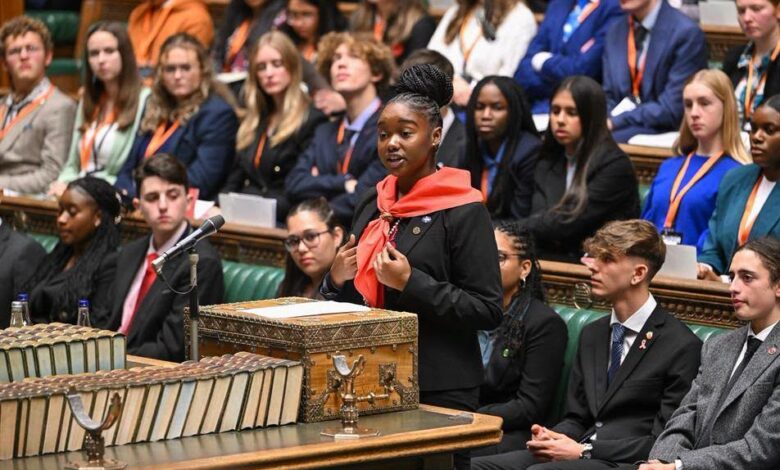
The situation involving young people presents an even more significant representation gap. IPU data indicates that only 3.4 percent of Members of Parliament were aged 30 or younger at the beginning of the current legislature, while 18.2 percent were aged 40 or younger. These figures indicate that younger generations have a limited presence in the National Assembly despite their importance to Lesotho’s future political, social and economic development. A Parliament with few younger representatives may face challenges in directly reflecting the experiences and priorities of younger citizens. Issues such as employment, entrepreneurship, education, skills development, technology and opportunities for economic participation are particularly important to younger generations, making their direct involvement in policymaking increasingly relevant.
The limited presence of young MPs also raises questions about political succession and leadership development. Young people who want to enter politics need opportunities to develop experience, build networks and compete for positions within political parties and elected institutions. Without clear pathways into leadership, political systems can struggle to bring new voices into decision-making structures. Former President of the Senate Mamonaheng Mokitimi has previously stressed the importance of empowering women and young people to participate in politics and eventually assume leadership positions. Her call reflects the broader need to treat political participation as a long-term process rather than something that begins and ends with voting during elections.
Lesotho’s commitments under national, regional and international frameworks further reinforce the importance of inclusive political participation. The country is committed to United Nations Security Council Resolution 1325 on Women, Peace and Security, which recognises the importance of women’s participation in decision-making. Resolution 2250 on Youth, Peace and Security similarly recognises the role of young people in peacebuilding and political decision-making. Lesotho is also party to the SADC Protocol on Gender and Development and the African Charter on Democracy, Elections and Governance. Its commitment to the Sustainable Development Goals, particularly Goal 5 on gender equality and Goal 16 on peaceful, inclusive and accountable institutions, further demonstrates that representation is part of a wider national and international governance agenda.
Lesotho has already introduced measures intended to address gender disparities within its electoral system. Proportional representation and gender-related requirements for party lists have helped increase the number of women entering Parliament. The increase from 12 percent representation in 1997 to 25 percent in the current legislature provides evidence that deliberate electoral interventions can have a measurable effect. However, reaching 25 percent also demonstrates that existing measures have not yet achieved equal representation. The next stage of reform may therefore require a closer examination of how political parties select candidates, how electoral rules operate in practice and what barriers prevent women from progressing into elected leadership positions.
The debate is increasingly moving beyond the question of whether women and young people participate in elections. The more important issue is whether they have meaningful access to the positions where decisions are made and policies are shaped. Youth participation, for example, should not be limited to voting, attending political events or being consulted by institutions. Mr Maliehe Mosepele, Director of the youth-led Mosepele Foundation Development Forum, has called for young people to participate at every level of decision-making, from communities and districts to the national level. His position highlights the importance of creating genuine opportunities for young people to influence decisions rather than treating them only as voters or recipients of government programmes.
Meaningful representation also requires political parties, civil society organisations and institutions to create conditions where new leaders can develop and compete. Young people may face financial, organisational and structural barriers when attempting to enter politics, while women can face additional challenges linked to social expectations, discrimination and unequal access to political networks. Addressing representation therefore requires more than simply changing electoral numbers. Political institutions need to identify practical ways to develop leadership skills, provide mentorship and create fair opportunities for candidates from underrepresented groups. Stronger participation from women and young people can also bring new perspectives into debates about the policies that will shape Lesotho over the coming decades.
As Lesotho approaches its next electoral cycle, the representation of women and young people is likely to remain an important part of the national political conversation. The country has demonstrated that electoral reforms can improve representation, particularly through the increase in women’s parliamentary presence since the late 1990s. However, the current figures show that progress remains incomplete, with women accounting for 25 percent of the National Assembly and MPs aged 30 or younger accounting for only a small fraction of elected representatives. Political parties, Parliament, civil society organisations and voters now face the challenge of determining what further measures are needed. The central question is no longer simply whether women and young people participate in democracy, but whether they have a meaningful presence among those elected to make laws and determine the country’s future.
The strength of Lesotho’s democracy will depend not only on holding regular elections but also on ensuring that elected institutions reflect the people they serve. Greater representation of women can strengthen attention to issues affecting women, children and families, while greater youth participation can help bring the experiences of younger generations into national policymaking. The progress made since 1997 shows that change is possible, but the current representation figures demonstrate that more work remains. Building stronger pathways into political leadership for women and young people could help Lesotho develop a more representative and inclusive Parliament. Closing the representation gap would therefore not only improve diversity within the National Assembly, it would strengthen the country’s democratic institutions and help ensure that more Basotho have a meaningful role in shaping the nation’s future.
Join 'Lesotho News' WhatsApp Channel
Get breaking Lesotho news — delivered directly to your WhatsApp.
CLICK HERE TO JOIN