Lesotho Empowers MSMEs to Access African Markets Through AfCFTA Export Readiness Workshop

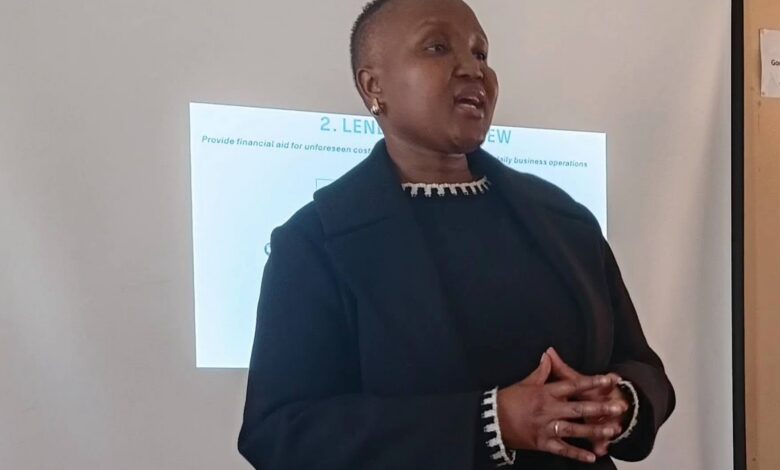
The Ministry of Trade, Industry and Business Development (MTIBD) has strengthened its support for Micro, Small and Medium Enterprises (MSMEs) through an Export Readiness and Opportunities under the African Continental Free Trade Area (AfCFTA) workshop. The engagement focused on giving Basotho businesses practical knowledge and tools to prepare for regional and continental markets. For many small businesses, accessing export markets can create opportunities to increase sales, expand production and build stronger enterprises. However, businesses need to understand trade requirements, financing options, customs procedures and regulatory obligations before they can compete effectively beyond Lesotho’s borders. The workshop therefore provided an important platform for MSMEs to learn about the opportunities available through AfCFTA while gaining a clearer understanding of what is required to become export ready.
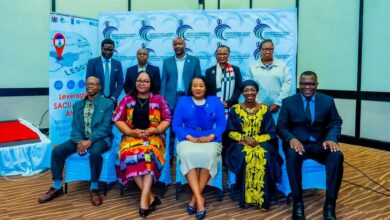
The workshop brought together a wide range of government institutions, financial organisations and business support stakeholders, reflecting the importance of collaboration in helping MSMEs enter export markets. Representatives from the MTIBD Trade and OBFC Departments participated alongside the Basotho Enterprises Development Corporation (BEDCO) and Revenue Services Lesotho (RSL). Commercial banks, including FNB Lesotho, Standard Lesotho Bank, Nedbank Lesotho and PostBank Lesotho, also took part in the engagement. Their participation gave businesses access to information from institutions involved in finance, taxation, trade facilitation and enterprise development. Bringing these stakeholders together also allowed MSMEs to better understand how different parts of the business environment connect when preparing a company for regional and continental trade.
One of the central areas discussed during the workshop was export readiness and the opportunities that AfCFTA can provide to businesses in Lesotho. The African Continental Free Trade Area is designed to increase trade among African countries by creating a broader single market for goods and services. For Basotho entrepreneurs, this can create opportunities to reach customers in other African markets instead of relying only on domestic demand. However, exporting requires businesses to meet specific standards and understand the rules that govern cross-border trade. The workshop was therefore important because it helped MSMEs identify both the opportunities and practical requirements associated with participating in African markets.
Access to finance was another major focus of the engagement, particularly because limited funding can prevent small businesses from expanding their operations or preparing for export. MSMEs may need capital to increase production, improve packaging, purchase equipment, meet quality standards, transport products or manage cash flow while entering new markets. Financial institutions therefore play an important role in helping businesses become more competitive and financially prepared for growth. The participation of FNB Lesotho, Standard Lesotho Bank, Nedbank Lesotho and PostBank Lesotho provided an opportunity for entrepreneurs to learn more about financial inclusion and possible avenues for accessing finance. Better access to suitable financial services can help businesses strengthen their operations and improve their ability to respond to demand from regional and continental customers.
Customs requirements and export procedures also formed part of the discussions, an area that can present challenges for businesses that have limited experience with international trade. Exporters need to understand the documentation, declarations, procedures and other requirements involved in moving goods across borders. Mistakes or incomplete documentation can cause delays, increase costs and affect relationships with customers. Revenue Services Lesotho therefore has an important role in helping businesses understand customs processes and their responsibilities as exporters. Providing MSMEs with practical information in this area can reduce uncertainty and help businesses approach cross-border trade with greater confidence.
The workshop also addressed business formalisation and regulatory compliance, which are essential for enterprises seeking to participate in structured markets. Formal businesses are better positioned to meet regulatory requirements, access certain financial services and establish relationships with larger buyers and institutions. Entrepreneurs who want to export also need to understand the legal and administrative obligations that apply to their businesses and products. Compliance can involve areas such as registration, taxation, product requirements and export documentation. By giving MSMEs clearer information about these responsibilities, the MTIBD is helping businesses build stronger foundations for sustainable growth and participation in international trade.
The involvement of BEDCO and other business support stakeholders further highlighted the need for ongoing assistance beyond a single workshop. MSMEs often require support at different stages of their development, from formalising their businesses and improving management systems to finding finance and identifying suitable markets. Export preparation also requires businesses to understand their customers, assess competition and ensure that their products can meet demand in other countries. Continued collaboration between government agencies, financial institutions and enterprise support organisations can help close some of these gaps. Such cooperation can make it easier for entrepreneurs to access the information and services they need as they move from operating locally to competing in regional markets.
The engagement forms part of the MTIBD’s broader efforts to strengthen Lesotho’s private sector and improve the competitiveness of local enterprises. A stronger MSME sector can contribute to employment creation, increased production, business expansion and economic diversification. Supporting businesses to access larger markets can also help reduce the limitations associated with relying primarily on domestic demand. AfCFTA provides a significant framework for increasing intra-African trade, but businesses need the capacity to make effective use of the opportunities it presents. Workshops such as this one can help bridge the gap between the existence of trade opportunities and the ability of individual businesses to participate in them.
For Basotho entrepreneurs, the message from the workshop is that export growth requires preparation, compliance and access to the right support. Businesses interested in AfCFTA markets need to assess their production capacity, understand export procedures, maintain proper business records and identify appropriate financing solutions. They also need to ensure that their products can meet the expectations and requirements of customers in other markets. Government agencies and private sector partners have a role to play by providing information, financial services, technical assistance and practical guidance. When these elements work together, MSMEs have a stronger opportunity to move beyond local markets and establish sustainable commercial relationships across Africa.
The MTIBD’s Export Readiness and Opportunities under AfCFTA workshop represents an important step towards preparing Lesotho’s MSMEs for greater participation in African trade. By bringing government departments, financial institutions and business support organisations together, the initiative addressed several of the practical issues that can determine whether a small business is ready to export. The focus on finance, customs, formalisation, compliance and market opportunities provides entrepreneurs with knowledge that can support better business decisions. Continued programmes of this nature can help build a more competitive and export-oriented private sector in Lesotho. With stronger preparation and coordinated support, Basotho enterprises can make greater use of AfCFTA opportunities and contribute to the country’s long-term economic transformation.
Join 'Lesotho News' WhatsApp Channel
Get breaking Lesotho news — delivered directly to your WhatsApp.
CLICK HERE TO JOIN