Botswana-Lesotho Bi-National Commission Opens New Chapter for Cooperation and Development


The inaugural session of the Botswana-Lesotho Bi-National Commission marks an important milestone for Lesotho as it strengthens its partnership with Botswana in response to growing global challenges. These challenges include trade instability, climate pressures, external economic shocks and ongoing public health concerns that continue to affect Southern Africa. For Lesotho, the commission represents a practical platform to advance national priorities through structured regional cooperation. It also reflects a shift toward more coordinated solutions between neighbouring countries that share economic and social ties. The meeting highlights the importance of working together to secure development outcomes that directly benefit Basotho communities. It sets a strong foundation for deeper collaboration in key sectors that affect everyday livelihoods.
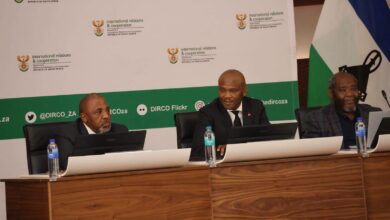
In Gaborone, Ambassador Thuso Ramodimoosi, Permanent Secretary in Botswana’s Ministry of International Relations, opened the senior officials’ session by stressing the importance of the agreement signed in Maseru in July 2025. His remarks placed special focus on the shared vision between the two governments and the need to turn political commitments into real action. He referenced President Duma Gideon Boko, who stated that the challenges facing both nations require closer collaboration, stronger solidarity and innovative approaches. For Lesotho, this message aligns with national development goals that prioritise resilience and regional cooperation. The discussions focused on building systems that can respond effectively to economic and environmental pressures. Officials from both sides expressed commitment to ensuring that the commission delivers practical results.
A major area of focus for Lesotho is agriculture and livestock development, which remains central to rural livelihoods and national food security. The discussions included cooperation between the Botswana Meat Commission, the Botswana Vaccine Institute and relevant institutions in Lesotho. The goal is to improve livestock health systems, support value-added meat processing and strengthen disease prevention measures. For Lesotho farmers, this cooperation could improve access to better veterinary services and more reliable markets. It also opens opportunities for knowledge sharing that can improve productivity in both small-scale and commercial farming. The focus on agriculture reflects its importance as a backbone of Lesotho’s economy and rural employment.
Water and energy security remain especially significant for Lesotho, given its role as a water-rich highland country in the region. The discussions highlighted opportunities to deepen cooperation in sustainable water management and regional supply systems that could benefit both nations. Lesotho’s hydropower potential was recognised as a key asset that can support regional energy stability and economic growth. This includes expanding partnerships that align with climate-resilient development goals and infrastructure investment. For Lesotho, these developments reinforce its position as a strategic water source in Southern Africa. The emphasis on water cooperation also supports long-standing national efforts to strengthen water export initiatives and infrastructure expansion.
Principal Secretary Thabang Lekhela, representing Lesotho, acknowledged the long-standing and practical relationship between the two countries. He highlighted how Botswana institutions have established a presence in Lesotho and how Basotho professionals have contributed to Botswana’s construction and development sectors. He also noted that both countries are moving closer to finalising arrangements that could see Lesotho supplying water to Botswana. His remarks reflected confidence in the depth of cooperation and the mutual benefits it brings. For Lesotho, this partnership is not only diplomatic but also economic and developmental in nature. It builds on decades of collaboration that continue to shape regional integration.
The inaugural Bi-National Commission session demonstrates Lesotho’s growing role in shaping regional cooperation with Botswana. The focus on agriculture, water, energy and institutional collaboration reflects priorities that directly affect national development and livelihoods. For Lesotho, the commission offers a structured pathway to strengthen economic resilience and improve service delivery through regional partnerships. It also supports long-term goals of sustainability, industrial growth and climate adaptation. Both governments have committed to advancing shared priorities in a way that delivers tangible benefits to their citizens. The outcomes of this session are expected to guide future cooperation that strengthens stability, growth and development for Lesotho and the wider region.
Join 'Lesotho News' WhatsApp Channel
Get breaking Lesotho news — delivered directly to your WhatsApp.
CLICK HERE TO JOIN