Revenue Services Lesotho Strengthens Withholding Tax Compliance Through Regional Workshop for Financial Accountants

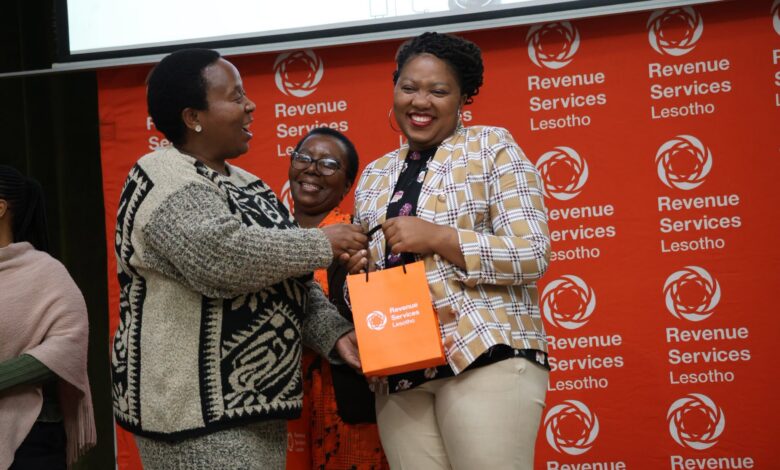
Revenue Services Lesotho (RSL) engaged financial accountants in a regional workshop on 20 October 2026 to strengthen their understanding of withholding tax obligations and the application of international taxation instruments. The engagement forms part of RSL’s ongoing efforts to improve tax compliance by equipping key government officials with the knowledge and practical understanding needed to meet their tax responsibilities. Withholding tax plays an important role in ensuring that applicable taxes are collected on certain payments, particularly where transactions involve different parties, income categories or international arrangements. A clear understanding of the relevant tax rules helps financial accountants make informed decisions when processing payments and fulfilling their professional duties. Through this workshop, RSL continues to promote tax education, cooperation and the consistent application of tax requirements across government institutions.
The workshop focused on improving participants’ understanding of withholding tax obligations and how international taxation instruments apply to relevant transactions. Financial accountants often play an important role in managing public funds, processing payments and ensuring that financial activities comply with applicable tax laws. Their responsibilities may include identifying transactions that attract withholding tax, determining the appropriate tax treatment and ensuring that required deductions are handled correctly. These tasks require a sound understanding of domestic tax legislation as well as any relevant international agreements that may affect the treatment of cross-border payments. By strengthening this knowledge, RSL aims to support more accurate tax decisions and reduce the risk of errors arising from misunderstandings or incorrect interpretations of tax requirements.
Withholding tax is an important part of tax administration because it allows tax to be deducted at the point of payment in circumstances prescribed by law. Depending on the applicable rules, withholding tax may apply to certain payments made to individuals, businesses or other recipients, including payments involving non-residents. Correctly identifying the nature of a transaction is therefore essential before determining whether withholding tax applies and what rate or treatment is appropriate. Financial accountants need to consider the circumstances of each payment rather than assume that all transactions follow the same tax rules. The workshop provided an opportunity to strengthen awareness of these responsibilities and reinforce the importance of applying relevant tax provisions carefully and consistently.
International taxation instruments are also important when transactions involve parties in different countries or income that may be subject to tax in more than one jurisdiction. Such instruments can include double taxation agreements and other applicable international arrangements that establish rules for determining how particular income should be taxed. Where an agreement applies, its provisions may affect the tax treatment of a payment, including the withholding tax rate or the conditions under which relief may be available. However, the existence of an international agreement does not automatically mean that a reduced rate or exemption applies to every payment involving a foreign recipient. Financial accountants must identify the relevant agreement, understand the applicable provisions and verify that the necessary legal conditions have been satisfied before applying any special tax treatment.
The correct classification of transactions is a central part of this process. A payment must first be understood according to its actual nature, contractual terms and relevant circumstances before the appropriate tax rules can be determined. Different categories of income may receive different tax treatment, so incorrectly classifying a transaction can lead to an incorrect withholding tax decision. This may result in underpayment or overpayment of tax, additional administrative work and potential compliance concerns for the organisation involved. By improving their understanding of transaction classification and the application of international taxation instruments, financial accountants can help strengthen the accuracy of government financial processes and support the proper administration of tax obligations.
The involvement of government financial accountants is particularly significant because public institutions must manage financial transactions responsibly and comply with the applicable legal framework. Officials involved in payment processing need to understand when tax deductions may be required, what information must be considered and how relevant requirements should be applied. Effective compliance also depends on cooperation between finance teams and tax authorities, especially when transactions involve complex contractual arrangements or international elements. When officials have access to appropriate guidance and understand their responsibilities, they are better positioned to identify potential tax issues before payments are finalised. RSL’s engagement with financial accountants therefore supports a broader effort to improve tax administration through practical knowledge, informed decision-making and stronger institutional cooperation.
The regional workshop held on 20 October 2026 is part of a wider series of engagements planned by Revenue Services Lesotho for the South, North and Central regions. This regional approach is intended to extend tax education and engagement opportunities to relevant stakeholders across different parts of the country. By taking its awareness and capacity-building activities to multiple regions, RSL can reinforce consistent understanding of withholding tax obligations among the officials responsible for applying them. The planned workshops also provide a framework for continued engagement between the tax authority and government stakeholders. Through this series, RSL is demonstrating its commitment to making tax education an ongoing part of its work to improve compliance and strengthen relationships with key institutions.
Stakeholder education is an important element of effective tax administration because tax compliance depends not only on legislation but also on how well people understand and apply the rules. Financial accountants who understand withholding tax requirements are better equipped to recognise relevant transactions and seek clarification when a tax issue is uncertain. Continued engagement can also help improve communication between tax officials and the professionals who manage financial processes within government institutions. This cooperation can contribute to more consistent interpretations of tax obligations and help address areas where additional guidance may be needed. RSL’s regional workshop initiative highlights the value of investing in professional knowledge as part of a wider approach to improving tax compliance.
The application of international taxation instruments requires particular care because the treatment of cross-border transactions can depend on several factors, including the type of income, the residence of the recipient and the specific provisions of an applicable agreement. Financial accountants must avoid relying on assumptions when determining whether a treaty provision changes the treatment of a payment. They need to consider the relevant legal requirements and ensure that any required supporting information is available before applying a particular tax outcome. When questions arise, consultation with the appropriate tax authority or reference to the applicable legal provisions can help reduce the risk of incorrect decisions. Strengthening these practices supports responsible financial management and helps ensure that withholding tax obligations are addressed in accordance with the relevant rules.
Revenue Services Lesotho’s engagement with financial accountants reflects the importance of collaboration between tax authorities and government institutions in promoting sound financial governance. The workshop brought attention to practical areas of tax compliance, including transaction classification, withholding tax responsibilities and the application of international taxation instruments. These issues are closely connected because the correct tax treatment of a payment depends on understanding both the transaction itself and the legal provisions that govern it. Continued professional education can help officials apply these requirements more accurately while improving awareness of their role in supporting effective tax administration. The planned workshops in the South, North and Central regions provide further opportunities to reinforce these principles among stakeholders.
As Revenue Services Lesotho continues its regional tax education efforts, the development of practical knowledge among government financial accountants remains an important priority. A stronger understanding of withholding tax obligations and international tax agreements can help officials make better-informed decisions, classify transactions correctly and meet their responsibilities under the applicable tax framework. The regional workshop held on 20 October 2026 forms part of this broader commitment to stakeholder education, cooperation and improved tax compliance. Its focus on strengthening professional understanding highlights the value of equipping officials with the knowledge needed to manage increasingly varied financial transactions. Through continued engagement and capacity building, RSL is reinforcing the importance of accurate tax application, responsible public financial management and a more consistent approach to tax compliance across Lesotho.
Join 'Lesotho News' WhatsApp Channel
Get breaking Lesotho news — delivered directly to your WhatsApp.
CLICK HERE TO JOIN