Lesotho Advances Water Security Agenda Through High-Level WASH Learning Visit to Eswatini


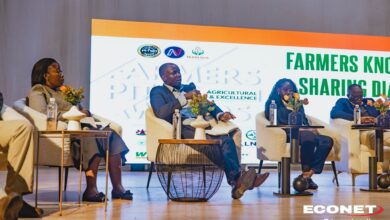
Lesotho is strengthening its efforts to achieve universal access to safe and potable water by 2030 through increased regional cooperation and strategic partnerships in the Water, Sanitation and Hygiene (WASH) sector. A high-level WASH learning visit led by Minister of Natural Resources Honourable Mohlomi Moleko to Eswatini provided an opportunity to examine practical approaches that could support Lesotho’s water security goals. The visit was undertaken at the invitation of World Vision Lesotho and World Vision Eswatini, in collaboration with the Government of Eswatini. It focused on sharing experiences, strengthening partnerships and identifying approaches that could improve the sustainability of rural water infrastructure. The engagement highlighted the importance of treating WASH services as a national development priority because reliable access to safe water directly affects public health, livelihoods, climate resilience and economic development.
The learning visit reinforced the understanding that effective WASH services require more than simply constructing water infrastructure. Sustainable water delivery depends on an integrated system that brings together government institutions, development partners, communities and financing mechanisms. Infrastructure must also receive regular maintenance if it is to continue providing reliable services after construction projects are completed. Community involvement can help ensure that local water systems remain operational because residents have a direct interest in maintaining resources that serve their households. The experience shared during the visit demonstrated how stronger coordination and shared responsibility can contribute to more resilient WASH systems.
The Lesotho delegation’s engagement in Eswatini also created an opportunity to examine how community-based management structures support rural water infrastructure. During the visit, the delegation observed systems in which local communities play an active role in managing and maintaining water facilities. These structures can strengthen accountability because community members have a clear role in monitoring infrastructure and addressing maintenance needs. Local contribution schemes can also provide a mechanism for raising resources needed to maintain water systems over time. Such approaches could offer useful lessons for Lesotho as it seeks to improve the reliability and long-term sustainability of rural water services.
Community contributions can play an important role when they are designed around local circumstances and supported by clear governance structures. Rural water infrastructure can deteriorate when there is no reliable mechanism for funding repairs, replacing damaged components or responding to operational problems. A structured contribution system can help communities prepare for these costs rather than relying entirely on external interventions whenever a system breaks down. It can also strengthen community ownership by giving residents a direct role in sustaining infrastructure. However, these models need to consider affordability and ensure that vulnerable households are not unfairly excluded from access to essential water services.
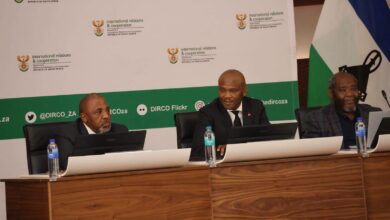
The Minister’s high-level engagement with Eswatini’s Prime Minister, H.E. Russell Dlamini, and senior Cabinet ministers added an important political dimension to the learning visit. Discussions at this level can help strengthen cooperation between neighbouring countries and create opportunities to share policy experiences in areas of common development interest. Water security is particularly important for both countries because climate pressures and infrastructure challenges can affect the availability and reliability of water resources. High-level dialogue can help ensure that technical lessons from the visit receive appropriate attention within national planning and policy processes. It also demonstrates the value of regional cooperation in addressing development challenges that require long-term institutional commitment.
The visit highlighted the relationship between WASH services and public health. Safe potable water reduces exposure to waterborne diseases and supports healthier households and communities. Reliable sanitation and hygiene services also play an important role in preventing disease transmission and improving living conditions. When communities lack dependable access to safe water, households can face additional health and economic burdens, particularly in rural areas. Strengthening WASH systems can therefore produce benefits that extend beyond the water sector and contribute to wider improvements in health, education and productivity.
Climate resilience was another important dimension of the discussions. Climate change can place additional pressure on water resources through changing rainfall patterns, droughts, flooding and other environmental pressures. Water infrastructure must therefore be designed and managed with resilience in mind so that communities can continue accessing essential services during periods of climate stress. Strong community management structures can support faster responses when infrastructure is damaged or water availability changes. Combining resilient infrastructure with effective financing, planning and community participation can help Lesotho strengthen its ability to manage future water-related challenges.
The experience in Eswatini also demonstrated the importance of co-financing models in supporting sustainable WASH delivery. Government funding remains important, but development partners, communities and other stakeholders can contribute resources and expertise that complement public investment. A coordinated financing model can help spread responsibility for both infrastructure development and long-term maintenance. It can also reduce the risk of infrastructure becoming underfunded once an initial project has been completed. For Lesotho, identifying appropriate co-financing mechanisms could help accelerate WASH investment while improving the sustainability of projects already serving rural communities.
Institutional alignment is equally important to the success of WASH programmes. Water supply, sanitation and hygiene involve several areas of government and require cooperation between institutions responsible for water resources, infrastructure, health, local government and community development. When responsibilities are clearly defined and institutions work towards shared objectives, projects can be planned and implemented more effectively. Strong partnerships with organisations such as World Vision can further strengthen technical capacity and community engagement. The learning visit therefore provided an opportunity to consider not only specific water management practices but also the institutional arrangements needed to support them.
The proposed Memorandum of Understanding between the Ministry of Natural Resources and World Vision Lesotho represents an important next step following the peer exchange. Recommendations from the visit called for the immediate finalisation and operationalisation of a formal MoU that could provide a framework for replicating sustainable water management and collaborative financing approaches in Lesotho. A formal partnership could help define the responsibilities of each party and establish clear areas of cooperation. It could also provide a structured basis for applying lessons from Eswatini to local conditions rather than simply reproducing systems without adaptation. The success of such an agreement would ultimately depend on effective implementation, adequate resources and strong monitoring of results.
Replicating successful WASH approaches in Lesotho will require careful consideration of the country’s own geographic, economic and community conditions. Strategies that work in one location may need adjustments before they can be applied effectively elsewhere. Mountainous terrain, dispersed rural settlements and varying water access conditions can create specific challenges for infrastructure planning and maintenance. Community contribution systems would also need to account for household income levels and local governance structures. Learning from Eswatini can provide a useful foundation, but local stakeholders will need to adapt those lessons to ensure that interventions remain practical, equitable and sustainable.
The goal of universal access to safe potable water by 2030 requires sustained action and long-term investment. Building new infrastructure is important, but ensuring that existing systems continue to function is equally critical. Effective maintenance, reliable financing, community ownership and institutional coordination can determine whether water projects deliver benefits for years after construction. Partnerships can help mobilise the expertise, funding and community engagement needed to address these challenges. The WASH learning visit therefore contributes to a broader effort to strengthen the systems required to make universal water access a realistic and sustainable objective.
The high-level WASH learning visit to Eswatini has provided Lesotho with valuable lessons on how partnerships, community participation and collaborative financing can strengthen water service delivery. The engagement led by Honourable Mohlomi Moleko demonstrated the importance of learning from regional experiences while developing solutions that respond to Lesotho’s own needs. The community-based management structures observed in Eswatini offer practical insights into how rural communities can contribute to the maintenance and sustainability of water infrastructure. The proposed MoU between the Ministry of Natural Resources and World Vision Lesotho could now provide a framework for translating these lessons into concrete programmes and partnerships. With effective implementation, strong institutional coordination and sustained investment, the lessons from this peer exchange could support Lesotho’s progress towards resilient WASH services and universal access to safe potable water by 2030.
Join 'Lesotho News' WhatsApp Channel
Get breaking Lesotho news — delivered directly to your WhatsApp.
CLICK HERE TO JOIN