Lesotho Accedes to the UN Water Convention, Marking a Major Milestone in Transboundary Water Cooperation
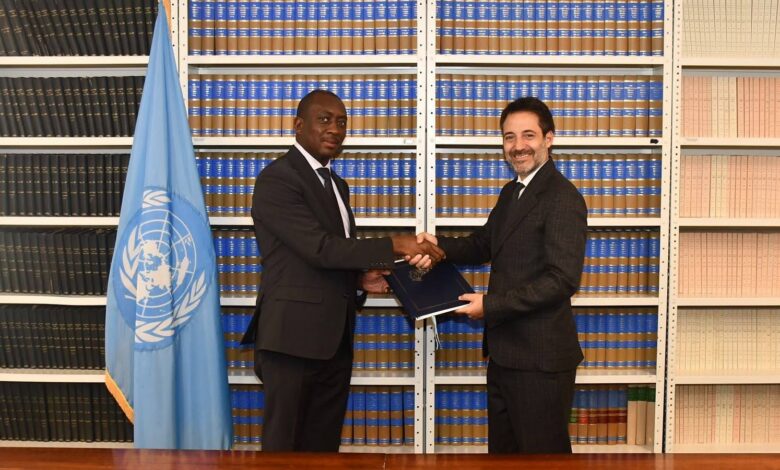
The Government of Lesotho has formally acceded to the United Nations Convention on the Protection and Use of Transboundary Watercourses and International Lakes, commonly known as the UN Water Convention. This significant milestone was achieved on Friday, 13 November 2026, when Lesotho’s Permanent Representative to the United Nations, His Excellency Matete Nena, deposited the country’s Instrument of Accession with the United Nations Treaty Section. The accession marks an important step in strengthening Lesotho’s commitment to sustainable water resource management, regional cooperation and the protection of shared water resources. It also demonstrates the country’s recognition of the importance of international cooperation in addressing growing water-related challenges, including climate change, water scarcity, pollution and competing demands for water. The achievement follows a series of coordinated efforts led by the Ministry of Natural Resources, working with other government institutions to complete the necessary national and international accession processes.
Lesotho’s accession to the UN Water Convention is the outcome of a process that began in August 2024, when the Ministry of Natural Resources submitted a letter of interest to the Convention’s Secretariat, formally expressing the country’s intention to become a member. This initial step demonstrated the government’s commitment to strengthening the legal and institutional framework for managing transboundary water resources. Following the submission, the Ministry facilitated the establishment of a dedicated inter-ministerial working team comprising representatives from different government ministries and institutions. The team was tasked with coordinating the accession process, providing the necessary technical and policy input and ensuring that relevant government stakeholders understood the implications and benefits of joining the Convention. This collaborative approach was important because transboundary water management involves several sectors, including natural resources, foreign affairs, environment, agriculture, energy and national development.
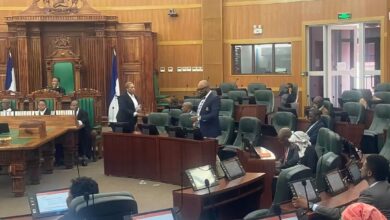
The accession process required careful consideration of the country’s legal, institutional and policy responsibilities under the Convention. Through the coordination efforts of the Ministry of Natural Resources and the participation of the inter-ministerial working team, the necessary consultations and preparatory activities were undertaken to advance the process. In May 2026, the accession document was submitted to the Parliament of Lesotho for approval through the Ministry of Foreign Affairs. This parliamentary stage represented an important part of the country’s domestic procedures for joining the international treaty. Following the completion of the required national processes, the Government proceeded with the formal deposit of the Instrument of Accession. On 13 November 2026, His Excellency Matete Nena deposited the instrument with the United Nations Treaty Section, formally communicating Lesotho’s decision to accede to the Convention.
This achievement also represents a positive response to the international call for greater participation in the UN Water Convention under the 100 Parties Initiative. The initiative, promoted by Zambia and Finland as co-chairs of the Interactive Dialogue on Water for Cooperation, encourages countries to accede to the Convention or demonstrate their interest in joining it in the lead-up to the UN Water Conference in Abu Dhabi. Its objective is to expand international participation in a recognised legal framework for cooperation over shared water resources. By completing its accession, Lesotho has demonstrated its willingness to contribute to this global effort and support stronger international cooperation on water issues. The country’s decision reinforces the understanding that water security cannot be achieved through isolated national actions, particularly where rivers, lakes and aquifers extend across international boundaries.
Lesotho’s membership is particularly significant because of its strategic position as a major source of water within the Orange-Senqu River Basin. The country’s mountainous terrain and high rainfall in several catchment areas contribute to the river systems that form part of this important shared water resource. The Orange-Senqu River Basin supports communities, economic activities, agriculture, industries and ecosystems across several countries, including Lesotho, South Africa, Botswana and Namibia. Water originating in Lesotho contributes to the wider basin system, making the country’s water resources important beyond its national borders. This geographical reality creates both opportunities and responsibilities for Lesotho in ensuring that water is managed sustainably and that cooperation with downstream countries remains constructive, transparent and mutually beneficial.
The UN Water Convention provides an internationally recognised framework for countries that share transboundary water resources. It establishes principles and rules aimed at preventing, controlling and reducing transboundary impacts while promoting the reasonable and equitable use of shared waters. It also encourages countries to cooperate through agreements, joint institutions, information exchange, monitoring and consultation on activities that may affect shared water resources. For Lesotho, joining the Convention provides a clearer basis for engaging with neighbouring countries on issues relating to water allocation, infrastructure development, environmental protection and the sustainable use of the Orange-Senqu River Basin. These principles can help reduce misunderstandings, strengthen trust and create more predictable arrangements for managing shared water resources. They also support the development of fair and transparent cooperation mechanisms that recognise the interests and responsibilities of all countries within a shared river basin.
One of the important benefits of accession is the opportunity for Lesotho to strengthen its position in discussions and negotiations concerning transboundary water use and benefit sharing. As an important water source country, Lesotho has a legitimate interest in ensuring that the value of its water resources is recognised and that the benefits arising from their use are distributed through fair and mutually agreed arrangements. The Convention provides principles that support equitable and reasonable utilisation, cooperation and the prevention of significant transboundary harm. These principles can inform discussions on compensation, economic benefits, water infrastructure and other arrangements involving the use of shared water resources. However, accession does not automatically establish a right to specific compensation payments or determine water allocations between countries. Instead, it provides a stronger international framework within which Lesotho can pursue constructive negotiations, protect its national interests and promote mutually beneficial agreements with its neighbours.
Environmental protection is another major area in which Lesotho stands to benefit from joining the UN Water Convention. Sustainable management of transboundary water resources requires countries to protect water quality, maintain healthy ecosystems and prevent activities that could cause environmental damage across national borders. Through the Convention’s technical guidance and cooperation mechanisms, Lesotho can strengthen its capacity to address water pollution, improve monitoring systems and promote better management of rivers, wetlands and catchment areas. Protecting wetlands is particularly important because these ecosystems contribute to water regulation, biodiversity conservation and the maintenance of natural environmental processes. Healthy catchment areas also support soil conservation, reduce erosion and help maintain the quality and availability of water resources. By strengthening environmental cooperation, Lesotho can improve the long-term protection of its water resources while contributing to the ecological health of the wider Orange-Senqu River Basin.
The Convention also offers important opportunities for improving Lesotho’s preparedness for climate-related water challenges. Climate change is increasing pressure on water resources through changing rainfall patterns, prolonged dry periods, extreme weather events and increased risks of flooding in many parts of the world. As a mountainous country, Lesotho faces particular challenges associated with variable rainfall, land degradation, soil erosion and the vulnerability of communities and infrastructure to extreme weather conditions. Stronger cooperation with neighbouring countries can improve the exchange of hydrological information, strengthen early warning systems and support coordinated responses to droughts and floods. Technical assistance and access to international expertise can also help improve water resource planning and climate resilience. These measures are important for protecting communities, agricultural production, infrastructure and economic activities that depend on reliable water supplies.
Lesotho’s accession also creates opportunities to strengthen national capacity through technical assistance, knowledge sharing and international cooperation. The UN Water Convention provides a platform through which member countries can exchange experiences, access technical guidance and learn from established approaches to transboundary water management. Such support can assist Lesotho in improving institutional coordination, developing effective water management policies and strengthening the technical capacity of relevant government institutions. Cooperation can also support the development of better monitoring and assessment systems, improved data management and more informed decision-making. These benefits are particularly relevant as the country continues to balance domestic water demands with its responsibilities within the wider river basin. Stronger institutions and improved technical capacity will be essential for translating the commitments associated with membership into practical results.
The economic implications of joining the Convention extend beyond the water sector. Responsible management of shared water resources is closely connected to economic development, particularly in countries where water supports energy production, agriculture, tourism, industry and environmental conservation. Lesotho’s water resources are an important national asset and form part of its broader development potential. A stronger framework for regional cooperation can help create a more predictable environment for planning and implementing water-related infrastructure projects. It can also strengthen the country’s ability to engage international development partners and donors on projects that support sustainable resource management. By demonstrating its commitment to international standards and cooperative governance, Lesotho may improve opportunities to mobilise technical and financial support for investments in water infrastructure, renewable energy, agriculture, trade, tourism and conservation. Such funding is not guaranteed by membership, but stronger institutional cooperation and credible environmental commitments can help create favourable conditions for securing development support.
The accession further strengthens Lesotho’s international reputation as a country committed to responsible management of shared natural resources. International cooperation has become increasingly important as governments seek practical solutions to environmental challenges that do not respect national boundaries. By joining the UN Water Convention, Lesotho demonstrates its willingness to work within an established international framework and contribute to collective efforts to improve water security. This commitment can also support the country’s progress towards the Sustainable Development Goals, particularly Sustainable Development Goal 6, which focuses on ensuring the availability and sustainable management of water and sanitation for all. It is also relevant to Sustainable Development Goal 13 on climate action and other goals relating to environmental protection, economic development and international partnerships. The Convention provides an opportunity for Lesotho to connect its national development priorities with wider international commitments on sustainable water management.
The benefits of accession will depend on how effectively the country implements the Convention’s principles and translates its international commitments into national policies and practical cooperation arrangements. This will require continued coordination among government ministries, relevant institutions, local communities and neighbouring countries. Strengthening national water governance, improving data collection, protecting critical ecosystems and supporting effective transboundary institutions will be important priorities. Lesotho will also need to maintain constructive engagement with other countries sharing the Orange-Senqu River Basin to ensure that cooperation delivers tangible benefits for all parties. The inter-ministerial working team established during the accession process provides an important foundation for continued coordination and implementation. Sustained political commitment, adequate institutional capacity and access to technical and financial resources will be essential to maximise the opportunities created by membership.
The Government of Lesotho’s accession to the UN Water Convention on 13 November 2026 is therefore much more than a diplomatic achievement. It is a strategic investment in the country’s water security, environmental sustainability, regional relationships and long-term economic development. The successful completion of the process reflects the leadership of the Ministry of Natural Resources, the contribution of the inter-ministerial working team and the cooperation of the Ministry of Foreign Affairs and other relevant government institutions. It also positions Lesotho to participate more actively in international efforts to promote fair, sustainable and cooperative management of shared water resources. Given the country’s importance as a source of water within the Orange-Senqu River Basin, membership provides a valuable opportunity to strengthen regional partnerships while advancing national interests. The challenge ahead is to turn this milestone into measurable progress through effective implementation, meaningful cooperation and responsible stewardship of the country’s water resources for present and future generations.
Join 'Lesotho News' WhatsApp Channel
Get breaking Lesotho news — delivered directly to your WhatsApp.
CLICK HERE TO JOIN