Lesotho Calls for Stronger Global Cooperation on Digital Inclusion, Artificial Intelligence and Satellite Connectivity

Lesotho has called for stronger international cooperation to accelerate digital inclusion, advance artificial intelligence (AI) and expand satellite connectivity, particularly in developing countries. The call reflects the country’s commitment to ensuring that all nations benefit from the opportunities created by digital transformation. As technology continues to reshape economies, education, healthcare, communication and public services, access to reliable and affordable digital infrastructure has become increasingly important. Developing countries face several challenges in keeping pace with rapid technological developments, including limited investment, inadequate infrastructure, high computing costs and shortages of specialised skills. Lesotho believes that international partnerships, shared resources and coordinated policies are essential to addressing these challenges and ensuring that no country is left behind.
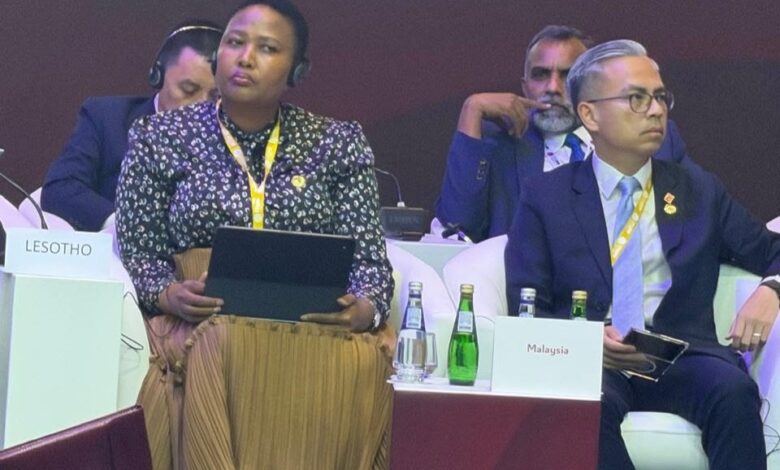
The Minister of Information, Communications, Science, Technology and Innovation, Honourable Nthati Moorosi, presented this position during a Ministerial Roundtable hosted by the State of Qatar at the International Telecommunication Union (ITU) Plenipotentiary Conference (PP-26) in Doha, Qatar. The high-level gathering brought together representatives and government leaders to discuss the future of global telecommunications and digital development. During her address, Moorosi outlined three key priorities for Lesotho, namely affordable and meaningful internet connectivity, the development of national capacity in artificial intelligence and stronger international coordination on Direct-to-Device (D2D) satellite technology. These priorities reflect the country’s recognition that digital development requires more than simply introducing new technologies. It also requires affordable access, appropriate infrastructure, skilled professionals and policies that respond to national development needs.
Affordable and meaningful internet connectivity remains one of the most important priorities for Lesotho as it works to strengthen its digital economy. Although internet access has expanded in many parts of the world, millions of people still face barriers that prevent them from participating fully in the digital environment. These barriers include high data costs, limited network coverage, inadequate infrastructure and a lack of suitable digital devices. For rural communities and people living in remote areas, accessing reliable internet services can be particularly difficult. Lesotho’s position highlights the importance of ensuring that digital connectivity reaches communities across the country rather than remaining concentrated in urban centres and economically developed areas.
Meaningful connectivity also involves more than having access to an internet connection. People need reliable services that allow them to participate in online education, access healthcare information, communicate with others, use financial services and benefit from digital government platforms. Affordable internet can help small businesses reach wider markets, improve access to employment opportunities and support entrepreneurship. It can also strengthen the delivery of public services by making information and essential government processes more accessible. For these benefits to become a reality, governments and international partners must work together to improve infrastructure, encourage investment and develop policies that make internet services more affordable. Lesotho’s call for stronger international cooperation therefore places digital inclusion at the centre of sustainable development.
Artificial intelligence was another major priority highlighted by Minister Moorosi during the Qatar-hosted roundtable. AI is increasingly influencing how countries manage information, deliver services, develop industries and address complex social and economic challenges. It offers opportunities to improve productivity, support scientific research, strengthen public administration and create new business opportunities. However, the benefits of AI are not automatically available to every country. Developing nations often face significant obstacles, including limited access to advanced computing infrastructure, insufficient technical expertise, inadequate funding and gaps in data management systems. Without targeted investment and international support, these challenges could widen the digital divide between technologically advanced countries and those still building their digital capabilities.
Lesotho has already taken important steps towards establishing a national framework for responsible artificial intelligence development. Minister Moorosi highlighted the country’s progress in adopting its National Artificial Intelligence Policy and Data Management Policy. These policy developments provide an important foundation for guiding the use of AI and improving how data is managed within the country. Clear national policies can help governments identify opportunities for technological innovation while addressing issues such as data protection, accountability, security and responsible AI use. They can also provide direction for businesses, researchers, educational institutions and public sector organisations seeking to adopt emerging technologies. By developing these frameworks, Lesotho is positioning itself to participate more actively in the global AI economy.
Another significant development is Lesotho’s work on a National Compute Roadmap through the United Nations Blueprint for National AI Strategies. According to the information presented by the Minister, Lesotho became the first country to apply the United Nations blueprint. This initiative is important because computing capacity is a fundamental requirement for developing and deploying many advanced AI applications. Artificial intelligence systems often depend on powerful computing infrastructure, reliable data systems and access to specialised technical resources. Countries without sufficient computing capacity may struggle to develop local AI solutions or participate effectively in international research and innovation. A National Compute Roadmap can help identify the infrastructure, investment and technical capabilities needed to support the country’s long-term AI ambitions.
The development of national AI capacity is particularly important for ensuring that artificial intelligence addresses local priorities. Technologies developed in other countries may not always reflect the languages, cultures, economic conditions and public service needs of developing nations. Building domestic expertise can help Lesotho develop solutions that respond to its own challenges and opportunities. It can also create opportunities for young people to acquire valuable digital skills and participate in emerging technology industries. Universities, technical institutions, government agencies and private businesses all have a role to play in strengthening the country’s AI ecosystem. International cooperation can further support these efforts through training programmes, research partnerships, affordable computing resources and the exchange of technical knowledge.
Minister Moorosi also emphasised the importance of international coordination on Direct-to-Device satellite technology. This technology enables compatible mobile devices to connect directly to satellites, potentially extending connectivity to areas where conventional mobile networks are unavailable or difficult to deploy. It has attracted growing attention because of its potential to improve communication in remote communities and geographically challenging locations. For mountainous countries such as Lesotho, extending reliable telecommunications coverage to underserved areas remains an important development objective. Direct-to-Device satellite services could complement existing mobile networks and help address connectivity gaps, although their practical benefits will depend on factors such as device compatibility, satellite coverage, service costs and regulatory arrangements.
International cooperation is especially important as satellite connectivity develops across national borders. Different countries need to consider how these services will operate alongside existing telecommunications networks and national spectrum regulations. Spectrum management, interference prevention, technical standards and licensing arrangements require careful coordination. Without effective regulatory cooperation, differences between national approaches could create uncertainty for service providers and limit the successful introduction of new technologies. The ITU has an important role in facilitating international discussions and promoting coordinated approaches to telecommunications standards and spectrum management. Lesotho’s call for cooperation therefore recognises that satellite connectivity requires both technological progress and effective global governance.
During her address, the Minister called on the International Telecommunication Union and its partners to provide stronger support to developing countries. She identified investment, affordable computing resources, skills development and regulatory cooperation as important areas where international assistance is needed. These forms of support can help countries build the infrastructure and institutional capacity required to participate in the digital economy. Investment can strengthen broadband networks and expand access to underserved communities. Affordable computing resources can make AI development more accessible to countries with limited financial capacity. Skills development can prepare citizens and professionals to use, manage and develop emerging technologies, while regulatory cooperation can help create a more consistent international environment for digital innovation.
The ITU plays an important role in supporting global telecommunications development and bringing countries together to address shared challenges. As a specialised agency of the United Nations, it provides a platform for international cooperation on information and communication technologies. Its work includes telecommunications standards, radio-frequency spectrum management and efforts to expand access to digital connectivity. Through international conferences and policy discussions, member states can exchange experiences, identify common priorities and agree on approaches to emerging technological issues. For developing countries, these discussions provide an opportunity to ensure that their circumstances and development priorities receive attention in global technology decisions.
The Ministerial Roundtable hosted by Qatar provided an important opportunity for Lesotho to communicate its priorities within this international setting. By highlighting affordable connectivity, artificial intelligence capacity and Direct-to-Device satellite technology, Moorosi drew attention to three areas that could influence the country’s future digital development. Her message also reinforced the need to ensure that developing countries participate in shaping global technology policies rather than simply adopting decisions made elsewhere. International cooperation should recognise the different levels of technological development among nations and provide practical support that enables countries to progress at their own pace. This approach can help create a more inclusive digital environment in which technological opportunities are shared more fairly.
The discussions took place during the ITU Plenipotentiary Conference, known as PP-26, which brings together governments from around the world to shape the future of global digital connectivity. The conference provides a forum for member states to consider major telecommunications and technology issues and determine the strategic direction of the ITU for the next four years. Its decisions can influence international cooperation, regulatory priorities and the development of telecommunications infrastructure. The conference is particularly important at a time when artificial intelligence, satellite communications, digital services and next-generation networks are transforming the global technology landscape. Developing countries have a strong interest in ensuring that these developments support wider access, economic participation and sustainable growth.
For Lesotho, participation in PP-26 offers an opportunity to strengthen its international partnerships and advance its digital development agenda. The country’s policy progress in artificial intelligence and data management demonstrates its efforts to establish a foundation for responsible technological growth. Its work on a National Compute Roadmap also reflects an understanding that future AI development will require investment in infrastructure and human expertise. However, achieving these ambitions will require continued collaboration between government institutions, international organisations, development partners and the private sector. Cooperation can help mobilise resources, improve technical knowledge and create opportunities for innovation that might otherwise remain beyond the reach of smaller developing economies.
The broader significance of Lesotho’s position extends beyond its national borders. Many developing countries face similar challenges in expanding internet access, building AI capabilities and adopting emerging telecommunications technologies. International partnerships can help address these shared concerns by encouraging knowledge exchange, supporting infrastructure development and improving access to essential digital resources. Such cooperation can also help prevent technological inequality from becoming a greater barrier to economic and social development. As digital technologies become increasingly important in everyday life, countries need opportunities to participate in the global digital economy regardless of their size or level of economic development.
Lesotho’s call for stronger international cooperation at the ITU Plenipotentiary Conference highlights the importance of making digital transformation inclusive, affordable and accessible. Minister Nthati Moorosi’s three priorities reflect the country’s commitment to expanding meaningful internet connectivity, strengthening national artificial intelligence capacity and supporting coordinated international approaches to Direct-to-Device satellite technology. The country’s progress on its National Artificial Intelligence Policy, Data Management Policy and National Compute Roadmap provides an important starting point for achieving these ambitions. However, sustainable progress will depend on continued investment, affordable technology, skills development and effective international partnerships. As governments determine the future direction of global telecommunications, Lesotho is urging the international community to ensure that developing countries have the resources and opportunities needed to participate fully in the digital age.
Join 'Lesotho News' WhatsApp Channel
Get breaking Lesotho news — delivered directly to your WhatsApp.
CLICK HERE TO JOIN