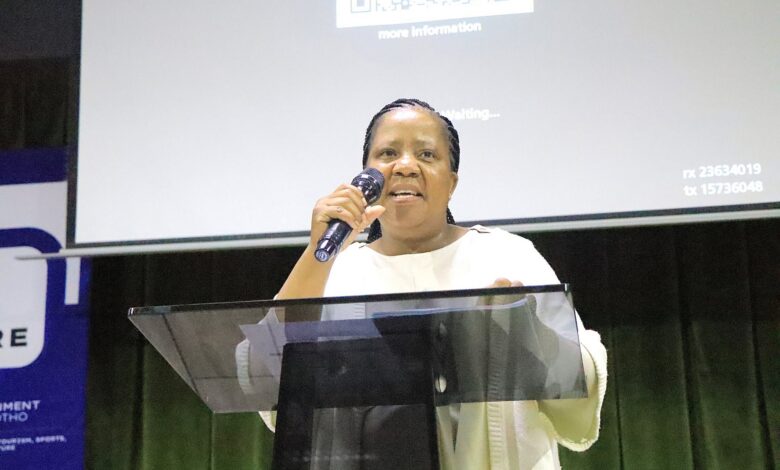
The Ministry of Tourism, Sports, Arts and Culture, through the Department of Tourism, held a stakeholder validation workshop on the Tourism Enterprises Bill, 2026, on 14 October 2026 at the Mojalefa Lephole Convention Centre in Maseru, Lesotho. The workshop brought together key stakeholders in the tourism sector to review and discuss proposed legislation intended to strengthen the regulation and development of the country’s tourism industry. Initially drafted in 2012 and 2013, the Bill seeks to establish a comprehensive legislative framework that will regulate tourism enterprises, protect industry interests and guide the sector’s sustainable growth. The consultation provided an opportunity for participants to assess the proposed legislation and consider whether it responds to the changing needs of tourism businesses and visitors. This initiative represents an important step towards building a more accountable, competitive and sustainable tourism industry in Lesotho.
Tourism plays an important role in connecting visitors with Lesotho’s natural landscapes, cultural heritage and local communities. The country’s mountains, traditional villages, outdoor activities and cultural experiences provide opportunities to attract visitors and support economic activity in different regions. Tourism businesses can contribute to employment, entrepreneurship and income generation through services such as accommodation, tour operations, restaurants, transport and cultural experiences. However, the industry’s long-term growth depends on clear regulations, effective oversight and standards that support reliable services. The Tourism Enterprises Bill, 2026, seeks to provide a stronger legislative foundation for the sector, helping establish a framework within which tourism businesses can operate and develop.
The history of the Bill highlights the need to review tourism legislation as the industry and its operating environment evolve. First drafted in 2012 and 2013, the proposed legislation has been under consideration for a number of years. Changes in business practices, visitor expectations and the wider tourism market make it important for laws to remain relevant and practical. The current stakeholder validation process offers an opportunity to examine the proposed framework in light of the experiences and needs of tourism operators and other interested parties. By gathering input from people involved in the sector, the Department of Tourism can identify issues that may require clarification, revision or further consideration before the legislative process advances.
The stakeholder validation workshop served as a platform for reviewing the proposed provisions of the Tourism Enterprises Bill and discussing their potential impact on the industry. Consultation allows participants to raise concerns, identify gaps and recommend improvements based on their professional experience. Tourism operators may have practical insights into licensing requirements, business operations, service standards and the challenges involved in complying with regulations. Other stakeholders may contribute perspectives on consumer protection, environmental responsibility, destination management and the development of local tourism products. These discussions can help ensure that the proposed legislation reflects the realities of the sector while supporting the government’s broader tourism development objectives.
One of the central aims of the Bill is to strengthen the regulation of tourism enterprises in Lesotho. A clear regulatory framework can help define the responsibilities of businesses and establish expectations for operating within the industry. Consistent rules can also support fair competition by helping ensure that businesses understand the standards they are expected to meet. For visitors, effective regulation can contribute to confidence in tourism services and provide a clearer basis for accountability when problems arise. The specific requirements and enforcement mechanisms will depend on the final provisions adopted through the legislative process, making stakeholder review an important stage in shaping the proposed framework.
Protecting the interests of tourism businesses and consumers is another important consideration in developing effective tourism legislation. Businesses need a predictable operating environment in which requirements are clear and regulatory decisions are applied fairly. Visitors, meanwhile, benefit from services that meet appropriate standards and from transparent information about the products they purchase. A well-designed legislative framework can help balance these interests by setting clear expectations and supporting responsible business conduct. Through the validation workshop, stakeholders had an opportunity to contribute to discussions about how the proposed Bill could support accountability and strengthen confidence in Lesotho’s tourism industry.
Sustainable tourism is also an important consideration for the future of the sector. Tourism development can create economic opportunities, but it must also account for environmental protection, cultural preservation and the needs of local communities. Lesotho’s natural attractions and cultural traditions form an important part of its tourism appeal, making their responsible management essential for long-term growth. Tourism enterprises can support sustainability by managing resources carefully, respecting local customs and creating opportunities for communities to benefit from visitor spending. A legislative framework that recognises these considerations can help guide the industry towards growth that protects the resources and experiences on which tourism depends.
The Department of Tourism has also indicated that it will visit Botha Bothe and Mohale’s Hoek to engage business owners and tourism stakeholders in those regions. These planned consultations are intended to give people outside Maseru an opportunity to participate in the development of the Tourism Enterprises Bill, 2026. Regional engagement is important because tourism businesses operate in different settings and face different challenges depending on their location, resources and customer base. Owners of accommodation facilities, tour services and other tourism enterprises may have practical recommendations that are not fully captured through a workshop held in the capital. By extending consultations to Botha Bothe and Mohale’s Hoek, the Department can broaden participation and gather a wider range of views before the proposed legislation moves forward.
Including regional stakeholders can also help promote a more inclusive approach to tourism development in Lesotho. Tourism opportunities are not limited to Maseru, and businesses in other districts may play an important role in supporting local employment and showcasing regional attractions. Their participation can help policymakers better understand the barriers that smaller enterprises face, including access to information, compliance costs and the need for business support. Consultation can also reveal opportunities to improve cooperation between tourism operators, local communities and relevant public institutions. Ensuring that regional perspectives inform the Bill may help produce a framework that is more practical and responsive to the needs of businesses across the country.
A stronger tourism legislative framework could also contribute to improving the competitiveness of Lesotho’s tourism industry. Clear rules and consistent standards can help businesses plan for growth, improve their services and understand their legal obligations. A reliable operating environment may also strengthen the confidence of potential investors who want to understand the requirements for entering the tourism market. However, legislation alone cannot guarantee increased visitor numbers or investment. Its effectiveness will depend on implementation, appropriate oversight, coordination among relevant institutions and the willingness of businesses to comply with the requirements that are ultimately established.
The validation process therefore represents one stage in a wider effort to strengthen tourism governance and support sustainable industry development. Stakeholder feedback can help identify practical improvements, but the final impact will depend on how the proposed legislation progresses through the applicable approval process and is implemented. Clear communication about requirements will be important for tourism enterprises, particularly smaller businesses that may need guidance to meet new standards. Appropriate implementation arrangements can also help ensure that regulation supports business development rather than creating unnecessary barriers. Continued engagement between the Department of Tourism and industry stakeholders will be essential to translating the Bill’s objectives into practical benefits.
The stakeholder validation workshop held on 14 October 2026 at the Mojalefa Lephole Convention Centre marks an important step in the development of Lesotho’s Tourism Enterprises Bill, 2026. By bringing together key tourism stakeholders, the Ministry of Tourism, Sports, Arts and Culture and the Department of Tourism have created an opportunity to review proposed legislation intended to strengthen regulation, accountability and sustainable growth. The planned consultations in Botha Bothe and Mohale’s Hoek will further broaden participation by giving regional business owners and stakeholders an opportunity to contribute. Together, these efforts reflect the importance of building tourism laws around practical industry needs, responsible business practices and inclusive development. As the Bill advances through the legislative process, its long-term value will depend on whether it establishes a clear, effective and balanced framework that supports tourism enterprises, protects industry interests and strengthens Lesotho’s position as a competitive and sustainable tourism destination.
Join 'Lesotho News' WhatsApp Channel
Get breaking Lesotho news — delivered directly to your WhatsApp.
CLICK HERE TO JOIN