Measles Outbreak Response Continues in Butha-Buthe as Learners Receive Measles-Rubella Vaccines

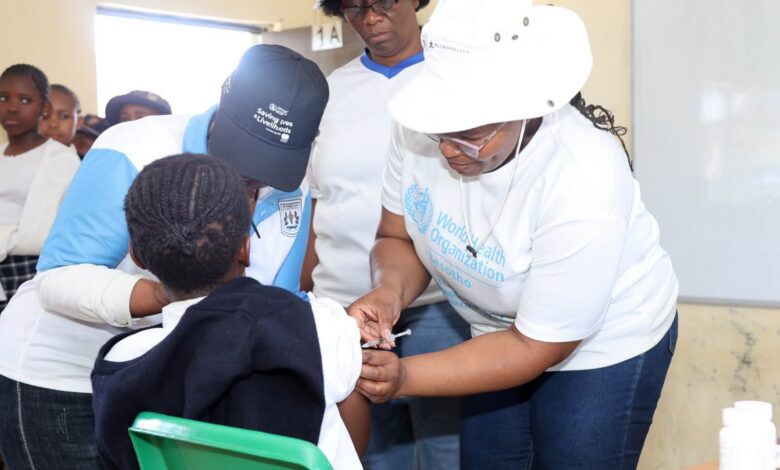
The measles outbreak response in Butha-Buthe District continues as health workers intensify efforts to protect children through vaccination and other essential health services. Hundreds of enthusiastic learners have received the Measles-Rubella (MR) vaccine, Vitamin A supplementation and Albendazole for deworming as part of the ongoing campaign. The initiative aims to protect eligible children against measles and rubella while supporting their overall health and well-being. Schools have become important points of delivery, allowing health teams to reach learners in familiar environments and improve access to preventive healthcare. With support from the World Health Organization (WHO), the Ministry of Health continues to strengthen the outbreak response and ensure that eligible children receive essential health interventions.
At Soofia International School and Likileng International Primary and High School, learners actively participated in the vaccination campaign, demonstrating the importance of cooperation between schools and healthcare providers. The presence of health workers at these institutions helped bring essential services closer to children who might otherwise face barriers to accessing healthcare. Teachers, parents, community health workers and local communities all play an important role in encouraging participation and building confidence in vaccination programmes. Their involvement helps ensure that parents understand the purpose of the campaign and the benefits of protecting children against preventable diseases. This shared commitment is especially important during a measles outbreak, when timely vaccination and effective communication can help reduce the risk of further transmission.
Measles is a highly contagious viral disease that spreads through the air when an infected person breathes, coughs or sneezes. It can cause fever, a runny nose, coughing, red or watery eyes and a characteristic skin rash. Although some children recover without severe complications, measles can lead to serious health problems, including pneumonia, severe diarrhoea and inflammation of the brain. Young children who have not received adequate protection are particularly vulnerable to complications. Vaccination remains one of the most effective ways to prevent measles and limit its spread within communities. By reaching learners through school-based vaccination activities, health authorities are working to close protection gaps and reduce the risk of infection among children.
The Measles-Rubella vaccine is a key part of efforts to protect children against two viral diseases that can have serious health consequences. Measles can cause severe illness and, in some cases, life-threatening complications. Rubella is often mild in children, but infection during pregnancy can cause miscarriage or serious birth defects in an unborn baby. Vaccinating eligible children helps reduce the circulation of these viruses and supports broader community protection. During an outbreak, health authorities may organise additional vaccination activities to reach children who need protection, depending on national guidelines and the circumstances of the response. Parents and caregivers should follow guidance from local health workers to confirm their children’s vaccination status and determine whether they need any additional doses.
Alongside the MR vaccine, the campaign provides Vitamin A supplementation to support children’s health. Vitamin A plays an important role in maintaining normal vision, supporting immune function and helping the body protect itself against infections. Vitamin A supplementation is also an established part of measles case management in children because measles can reduce vitamin A levels and increase the risk of complications. Its use during an outbreak response can therefore provide an important health benefit when administered according to medical guidance. Health workers assess eligibility and follow the recommended dosing procedures to ensure that children receive appropriate care. Combining vaccination activities with other essential health interventions can help address multiple health needs during a single visit.
Albendazole is also being provided as part of the campaign to help protect children against certain intestinal worm infections. These infections can affect children’s nutritional status and may contribute to abdominal discomfort, anaemia and impaired growth, depending on the type and severity of the infection. Deworming programmes can help reduce the burden of soil-transmitted helminth infections in communities where these parasites are prevalent. Protecting children’s health in this way can support their ability to attend school, participate in classroom activities and maintain their general well-being. However, deworming does not prevent measles or replace the need for vaccination. By delivering these interventions together, health teams can make more efficient use of school visits while addressing different aspects of children’s health.
School-based health campaigns are particularly valuable because they provide a practical way to reach large numbers of eligible children. Schools bring learners together in one location, making it easier for trained health workers to organise vaccination sessions and deliver preventive services. This approach can also help identify children whose vaccination records may be incomplete and encourage families to seek further advice from healthcare providers. Teachers and school administrators can support the process by communicating with parents, helping organise activities and ensuring that learners understand what to expect. Effective planning is essential to maintain safe vaccination practices and minimise disruption to lessons. When schools and health services work together, they can create a stronger link between education and preventive healthcare.
The involvement of District Health Management Teams and community health workers remains central to the ongoing measles outbreak response in Butha-Buthe. These teams help coordinate local health activities, communicate with communities and deliver services to eligible children. Their work can also help address concerns about vaccination and encourage parents to seek accurate information from qualified healthcare professionals. Community engagement is important because successful outbreak control depends on reaching eligible children and maintaining public confidence in health services. Health workers also provide an important connection between national health priorities and the needs of individual communities. Continued coordination can help ensure that vaccination activities reach those who need them and that emerging health concerns receive appropriate attention.
The World Health Organization continues to support the Ministry of Health in strengthening the response to the measles outbreak and reaching eligible children with essential health interventions. WHO support forms part of wider efforts to improve disease prevention, strengthen public health responses and reduce the impact of vaccine-preventable illnesses. During an outbreak, effective coordination between health authorities and their partners can help improve planning, service delivery and communication with affected communities. Timely access to vaccination is especially important for children who have not received the recommended doses or whose vaccination status is uncertain. Parents and caregivers should consult local health facilities or authorised health workers for information about eligibility, vaccination schedules and any additional measures required during the outbreak. Following official health guidance helps families make informed decisions and contributes to the protection of the wider community.
The continued vaccination campaign in Butha-Buthe highlights the importance of protecting children’s health through accessible and coordinated public health services. By bringing the MR vaccine, Vitamin A supplementation and Albendazole deworming directly to schools such as Soofia International School and Likileng International Primary and High School, health teams are helping children access essential preventive interventions. The cooperation of parents, educators, community health workers and healthcare authorities remains vital to the success of these efforts. Continued support from WHO and the Ministry of Health also strengthens the response and helps ensure that eligible children receive the care they need. Protecting children against measles requires sustained vaccination efforts, timely health information and active community participation. Through these combined actions, Butha-Buthe can strengthen disease prevention, support children’s well-being and help create healthier communities where learners have a better opportunity to attend school and thrive.
Join 'Lesotho News' WhatsApp Channel
Get breaking Lesotho news — delivered directly to your WhatsApp.
CLICK HERE TO JOIN