Lesotho Hosts 48th ACERWC Ordinary Session to Strengthen Children’s Rights and Protection Across Africa

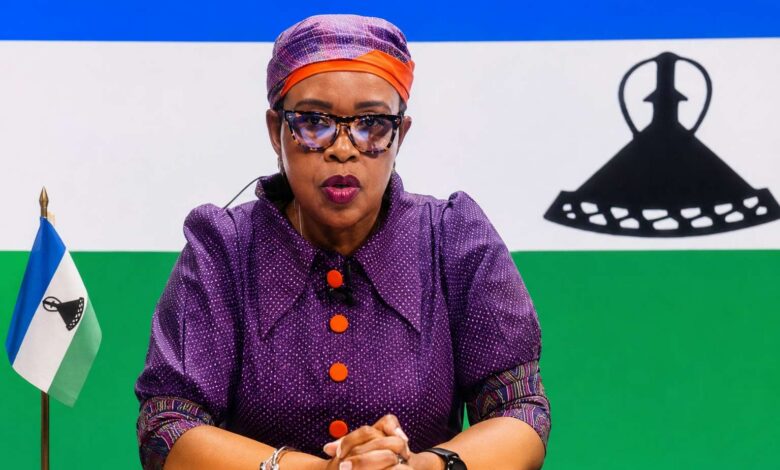
Lesotho has reaffirmed its commitment to protecting children’s rights and promoting child welfare across Africa as it hosts the 48th Ordinary Session of the African Committee of Experts on the Rights and Welfare of the Child (ACERWC) in Maseru. Deputy Prime Minister and Minister of Justice Nthomeng Majara officially opened the session on Tuesday, calling on African countries and child rights stakeholders to strengthen cooperation, share experiences and take practical steps to improve children’s lives. The meeting is taking place from 13 to 20 October at the Manthabiseng Convention Centre under the theme, “Violence Against Children and Harmful Practices: Navigating the Digital Frontier.” It brings together representatives of African Union member states, United Nations agencies, national human rights institutions, civil society organisations and child rights experts to discuss challenges affecting children across the continent. The session provides an important opportunity to assess progress in implementing children’s rights commitments and identify practical solutions to ensure that every child can grow up in a safe, supportive and dignified environment.
Speaking at the official opening, Majara said Lesotho was ready to support constructive dialogue, mutual learning and collective action throughout the session. She welcomed delegates on behalf of the Government of Lesotho and encouraged participants to use the gathering to celebrate achievements, address persistent challenges honestly and strengthen their shared commitment to children’s welfare. She emphasised the importance of building an Africa where every child is protected, respected, nurtured, loved and empowered to reach their full potential. Her remarks highlighted the need to move beyond formal commitments and focus on actions that improve children’s daily experiences at home, in schools and in their communities. By hosting the ACERWC session, Lesotho is providing a platform for African countries and their partners to examine their responsibilities and work towards stronger systems for protecting children’s rights.
Majara also congratulated Egypt, The Gambia, Libya and Mauritania, whose state party reports are scheduled for consideration during the session. She commended these countries for participating in the reporting process under the African Charter on the Rights and Welfare of the Child. The process gives governments an opportunity to explain the measures they have taken to protect children, describe progress achieved and identify challenges that remain. It also allows the Committee to engage with state representatives on how existing laws, policies and programmes are being implemented. Majara wished the participating countries constructive discussions and encouraged an approach based on openness, accountability and a shared commitment to improving children’s welfare. Such engagement is important for identifying gaps in child protection and encouraging stronger implementation of regional human rights standards.
The African Committee of Experts on the Rights and Welfare of the Child plays an important role in monitoring how African Union member states implement the African Children’s Charter. The Charter establishes rights and protections for children across a wide range of areas, including education, health, protection from abuse and exploitation, and the right to development. Through its review of country reports, the Committee assesses progress and engages governments on measures needed to address challenges affecting children. Its work also helps promote awareness of children’s rights and encourages states to strengthen their national laws, institutions and programmes. The reporting process provides a framework for governments to account for their commitments and learn from experiences across the continent. The Maseru session therefore represents an important part of ongoing efforts to turn regional child rights commitments into meaningful improvements in children’s lives.
ACERWC Chairperson Sabrina Gahar explained that the Committee would conduct constructive dialogue with state parties as it considered their reports on implementing the African Children’s Charter. The agenda includes the initial reports of The Gambia and Libya, as well as the first periodic reports of Mauritania and Egypt. These reports provide an opportunity to examine the measures taken by the respective countries to fulfil their obligations under the Charter. The Committee can use the discussions to identify areas of progress, raise concerns and encourage further action where children’s rights remain inadequately protected. Gahar also noted that complementary reports submitted by civil society organisations concerning Sierra Leone, Côte d’Ivoire and Cabo Verde would be considered ahead of the examination of those countries’ reports at the next session in April 2027. These contributions help broaden the information available to the Committee and provide additional perspectives on children’s experiences and the implementation of rights protections.
In a further development, Gahar said the Committee would consider contributions from national human rights institutions in Sierra Leone, Côte d’Ivoire and Cabo Verde for the first time as part of efforts to strengthen collaboration with these institutions. National human rights institutions can contribute to child rights monitoring by examining human rights concerns, engaging public authorities and providing independent perspectives on the implementation of legal commitments. Their involvement can help identify differences between national policies and the conditions children experience in practice. Closer cooperation between these institutions and the ACERWC may also strengthen the exchange of information and improve the quality of discussions about children’s rights. The inclusion of their contributions reflects the importance of involving different national actors in monitoring and promoting child welfare. Effective child protection requires cooperation among governments, independent institutions, civil society and communities rather than relying on a single institution to address every challenge.
United Nations Resident Coordinator Taija Kontinen-Sharp described the 48th Ordinary Session as taking place at an important moment for children. She observed that children are growing up in a rapidly changing world and stressed that children’s rights must keep pace with these changes. Her remarks highlighted the importance of ensuring that legal protections and public policies remain relevant as children encounter new social, technological and economic conditions. Digital platforms, online communication and changing patterns of social interaction can create opportunities for learning and participation, but they can also expose children to abuse, exploitation and other forms of harm. Protecting children in this environment requires effective laws, informed caregivers, accessible reporting systems and age-appropriate education about online safety. Her message reinforced the need for African countries to adapt their child protection measures to emerging risks while ensuring that every child benefits from the rights guaranteed under existing legal frameworks.
Children’s representatives also played an important role in the opening proceedings by highlighting the need to connect official commitments with children’s lived experiences. Lesotho national Thato Sello said the session offered an opportunity to reflect on the circumstances shaping children’s lives and consider how existing commitments could lead to meaningful progress. Sello stressed that protecting children’s rights is fundamental to building a peaceful, equitable and prosperous Africa as the continent becomes increasingly interconnected. This message underlined the importance of treating children as participants in discussions that directly affect their futures. Listening to children can help policymakers better understand the challenges they face and identify solutions that respond to their needs. Meaningful participation also helps ensure that child protection policies reflect children’s experiences rather than relying solely on the views of adults and institutions.
Angolan child representative Joyce Neide Sapalo da Conceição expressed solidarity with children across African Union member states under the African Children’s Charter. She emphasised that every child has a fundamental right to healthcare, clean water and a dignified education, while warning that these rights are not consistently realised across the continent. She drew attention to the consequences of inadequate sanitation for girls and the exclusion of children with disabilities from services and opportunities. Her remarks highlighted the gap that can exist between international and regional legal commitments and the conditions children experience in their communities. She urged participants to look beyond diplomatic statements and examine whether policies are producing real improvements on the ground. Her intervention reinforced the importance of practical accountability, accessible public services and inclusive policies that protect children regardless of gender, disability or background.
The session’s theme, “Violence Against Children and Harmful Practices: Navigating the Digital Frontier,” places particular emphasis on the need to protect children from abuse in both physical and digital environments. Violence against children can take many forms, including physical punishment, emotional abuse, sexual exploitation, neglect and harmful practices that threaten children’s safety and development. Digital technologies have created new ways for children to learn, communicate and access information, but they have also introduced risks such as cyberbullying, online grooming and the distribution of abusive material. Addressing these threats requires cooperation between governments, technology providers, educators, parents and child protection organisations. Children need access to clear information about online risks, while adults and institutions need effective procedures for reporting abuse and responding to incidents. The discussions in Maseru provide an opportunity to consider how African countries can strengthen protection systems without limiting children’s ability to benefit from safe and responsible digital participation.
Harmful practices remain another important concern for child rights advocates across Africa. Depending on the national and local context, these practices can include child marriage, female genital mutilation and other practices that undermine children’s health, dignity or development. Addressing them requires effective legal protections, access to education, community engagement and support for children who experience or face the risk of harm. Laws alone may not be enough where harmful practices are sustained by social pressures, unequal power relationships or limited access to services. Governments and community leaders must therefore work together to challenge harmful attitudes and ensure that children and families can access reliable information and protection. The ACERWC session provides a regional platform for discussing these challenges and encouraging measures that place children’s rights and well-being at the centre of public policy.
Beyond the examination of state reports, the 48th Ordinary Session includes discussions on pending communications concerning alleged violations of children’s rights. The Committee will also review reports from its members, working groups and special rapporteurs, address institutional matters and consider recommendations aimed at improving child welfare across Africa. These responsibilities form part of its wider mandate to monitor implementation of the African Children’s Charter and encourage stronger protection for children. Reviewing alleged violations is particularly important because it provides a mechanism for bringing serious concerns to the attention of the regional body, in accordance with its procedures. Recommendations adopted through the Committee’s work can help guide governments and other stakeholders as they strengthen child protection systems. The value of these processes ultimately depends on the willingness and capacity of relevant institutions to act on identified concerns and translate recommendations into practical measures.
The participation of African Union member states, United Nations agencies, national human rights institutions, civil society organisations and child rights experts reflects the shared responsibility for protecting children. Each group can contribute different forms of expertise, experience and support to efforts aimed at improving children’s lives. Governments have a central role in adopting and implementing laws, allocating resources and ensuring that essential services reach children. Civil society organisations can help identify gaps, represent community concerns and provide additional monitoring, while national human rights institutions can contribute independent oversight. United Nations agencies and regional bodies can support cooperation, technical knowledge and the development of stronger policies. Bringing these stakeholders together creates opportunities to build common approaches to challenges that often cross national borders and affect children in similar ways.
For Lesotho, hosting the ACERWC session provides an opportunity to contribute to continental discussions on child protection while reinforcing the importance of children’s rights in national and regional development. The meeting also gives participating countries a platform to learn from one another and consider how successful approaches can be adapted to different circumstances. However, meaningful progress will require more than the exchange of ideas during the eight-day gathering. Governments must follow through on their commitments, strengthen the services children depend on and ensure that children who experience abuse, discrimination or neglect can access appropriate support. Monitoring progress and listening to children will remain essential to identifying whether these measures are working. Sustained cooperation among African countries and their partners can help build stronger systems that protect children’s dignity and support their development.
The 48th Ordinary Session of the African Committee of Experts on the Rights and Welfare of the Child in Maseru places an important focus on the responsibilities African countries share towards their youngest citizens. Deputy Prime Minister Nthomeng Majara’s call for constructive dialogue and collective action, together with the contributions of committee members, United Nations representatives and children, highlights the need to turn commitments into practical results. The discussions on state reports, civil society contributions, institutional cooperation, violence against children and digital safety will help shape the ongoing regional conversation about child protection. Their impact will depend on how effectively governments and partners respond to the challenges identified and improve the conditions in which children live and learn. Protecting every child’s right to safety, education, healthcare, dignity and participation is essential to Africa’s long-term development. By strengthening accountability and placing children’s experiences at the centre of decision-making, African countries can move closer to building a continent where every child has the opportunity to live safely and reach their full potential.
Join 'Lesotho News' WhatsApp Channel
Get breaking Lesotho news — delivered directly to your WhatsApp.
CLICK HERE TO JOIN