Lesotho Government Launches Reconstruction of A1 Road from Maseru Bridge to Maqhaka

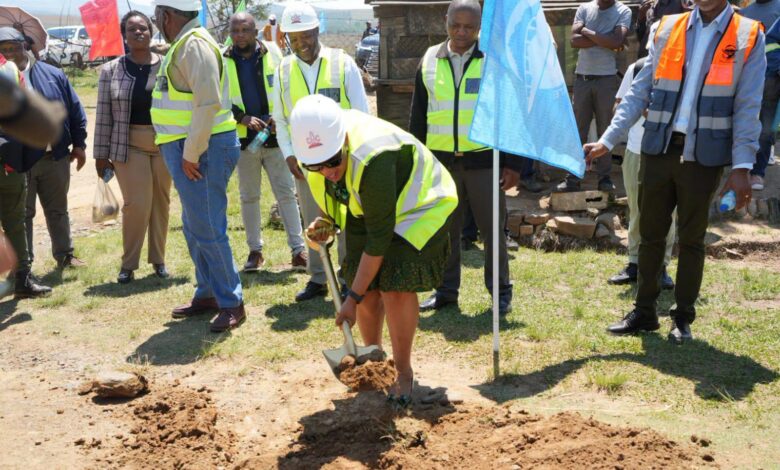
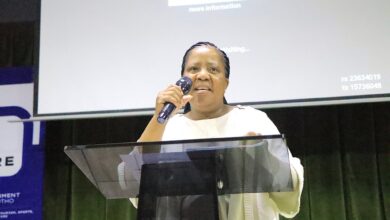
The Government of Lesotho has officially launched the reconstruction of the A1 road from Maseru Bridge to Maqhaka, marking a new step in efforts to improve the country’s road infrastructure and strengthen transport connections. The project, implemented through the Ministry of Public Works and Transport, aims to improve road conditions, enhance road safety and ease traffic movement along this important route. Deputy Prime Minister Justice Nthomeng Majara launched the project and emphasised the importance of road reconstruction and upgrading in supporting economic growth. She noted that better roads can make travel safer, improve the movement of goods and people and help reduce road accidents. The initiative also reflects the government’s stated intention to move forward with road improvement projects that respond to the country’s transport and development needs.
Speaking at the launch, Deputy Prime Minister Justice Nthomeng Majara explained that the A1 road reconstruction forms part of the initial phases of a wider rehabilitation effort. The project is intended to improve the road’s condition and create a safer environment for motorists, passengers and other road users. Roads play an important role in connecting communities, allowing people to access workplaces, schools, healthcare facilities and essential public services. When road surfaces deteriorate, travel can become more difficult, vehicle operating costs can increase and the risk of accidents may rise. Improving the A1 road is therefore intended to address existing transport challenges while supporting more reliable movement along the route from Maseru Bridge to Maqhaka.
The Deputy Prime Minister also highlighted the connection between road infrastructure and economic development in Lesotho. Reliable roads help businesses transport goods, allow farmers to move agricultural produce to markets and make it easier for service providers to reach communities. Poor road conditions can delay deliveries, increase transport expenses and disrupt everyday economic activities. Road reconstruction can help reduce some of these difficulties by improving the quality and usability of the transport network. According to Majara, investing in road infrastructure is important not only for easing traffic but also for creating conditions that support economic activity and improve access to opportunities.
Road safety was another key issue raised during the launch of the A1 road reconstruction project. Majara indicated that upgrading roads can help reduce accidents by improving the condition of the road environment and making travel safer. Damaged surfaces and other road deficiencies can create hazards for drivers and other road users, particularly when combined with poor visibility or adverse weather conditions. However, safer roads also depend on responsible driving, compliance with traffic regulations, appropriate road signs and effective maintenance. The reconstruction project is expected to contribute to improved road safety, although its actual impact will depend on the quality of the work and how the road is managed after completion.
Majara also called on the contractor responsible for the project to work with Basotho contractors and ensure that workers receive their wages on time. Her remarks placed attention on the local economic benefits that can arise from public infrastructure projects. Involving local contractors and businesses can create opportunities for Basotho enterprises to participate in construction activities and develop their experience in the sector. Timely payment of workers is equally important because construction projects depend on the labour and skills of people who carry out the work. The Deputy Prime Minister further stressed that the contractor must maintain high standards of quality throughout the reconstruction process to ensure that the completed road meets the required expectations.
The emphasis on construction quality is particularly important because road infrastructure requires careful planning, suitable materials and proper engineering practices. A road that is not built or maintained to the required standard may deteriorate prematurely and require further repairs, placing additional pressure on public resources. Effective supervision and compliance with construction specifications can help ensure that work meets the project’s objectives. Quality control also contributes to road safety and can reduce the likelihood of avoidable disruptions after the road reopens or enters regular use. The government’s expectations for the A1 road project therefore include not only improving its immediate condition but also ensuring that the reconstruction work is carried out responsibly.
Meanwhile, Minister of Public Works and Transport Honourable Matjato Moteane said the government was now moving towards implementing road improvement projects rather than remaining at the planning stage. His remarks highlighted the importance of turning infrastructure plans into practical work that benefits communities and road users. Maintaining roads in good condition is essential for keeping transport services reliable and allowing economic activities to continue with fewer disruptions. When roads become difficult to use, motorists may face longer journeys, vehicles can incur additional wear and transport businesses may experience higher operating costs. Moteane stressed that improving the road network is necessary to protect road users and support the movement of people and goods across the country.
The A1 road reconstruction project also highlights the wider importance of maintaining Lesotho’s national road network. Roads connect urban centres, rural settlements, commercial areas and public institutions, making them essential to the country’s social and economic activities. Effective transport infrastructure can improve access to education, healthcare, employment and markets, particularly for communities that depend on road travel for daily needs. It can also support the delivery of public services by making it easier for government departments and service providers to reach the people they serve. Continued investment in road rehabilitation can therefore contribute to broader development objectives when projects are properly planned, funded and maintained.
The project may also provide opportunities for local participation in the construction sector, in line with the Deputy Prime Minister’s call for cooperation with Basotho contractors. Local businesses can contribute through construction services, the supply of materials, transport and other supporting activities, depending on the project’s requirements. Such participation can help circulate some project-related spending within the local economy and provide opportunities for businesses to strengthen their capacity. However, the scale of these benefits will depend on the contracts awarded, the availability of qualified local firms and the way the contractor implements the project. Ensuring fair working conditions and timely wage payments will also be important to the project’s wider economic impact.
For residents, commuters and businesses using the A1 road between Maseru Bridge and Maqhaka, the reconstruction represents an effort to address road conditions that affect daily travel and transport. Improvements to the route could make journeys more comfortable and reliable while supporting the movement of goods and services. Better road conditions may also help reduce vehicle damage and improve access between communities. The project will need to meet its construction requirements and maintain appropriate safety measures during the works to protect both workers and road users. The extent of the benefits will become clearer as the reconstruction progresses and the improved road enters use.
The official launch of the A1 road reconstruction project marks an important development in Lesotho’s ongoing efforts to improve transport infrastructure. Through the Ministry of Public Works and Transport, the government aims to strengthen road conditions, improve safety and support economic activity along the route from Maseru Bridge to Maqhaka. Deputy Prime Minister Justice Nthomeng Majara has called for quality construction, cooperation with Basotho contractors and timely payment of workers, while Minister Matjato Moteane has emphasised the need to implement road improvement plans and maintain the national network. These priorities underline the importance of delivering infrastructure that meets public needs and provides lasting value. The project’s success will ultimately depend on the quality of construction, effective oversight and continued attention to road maintenance, ensuring that improved transport connections can benefit communities, businesses and the wider economy.
Join 'Lesotho News' WhatsApp Channel
Get breaking Lesotho news — delivered directly to your WhatsApp.
CLICK HERE TO JOIN