Lesotho Holds Ntlafatsa Bana Reflection Workshop to Assess Three and a Half Years of Project Implementation

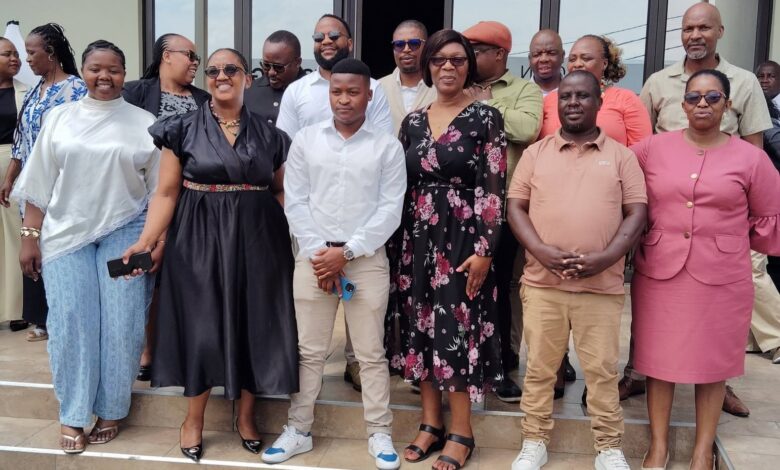
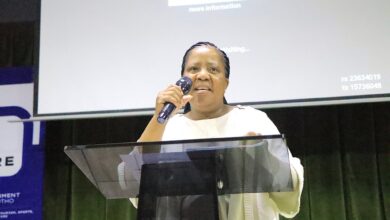
The Ministry of Gender, Youth and Social Development, in collaboration with the European Union in Lesotho and UNICEF, is holding a multi-stakeholder reflection workshop for the Ntlafatsa Bana project from 13 to 14 October 2026. The two-day meeting provides an opportunity to assess the project’s achievements, review challenges encountered during its three and a half years of implementation and identify lessons that can guide future interventions. The workshop brings together stakeholders to reflect on how effectively the project has been delivered and whether its activities have been coordinated to maximise their impact. District teams have also presented their experiences through presentations and gallery walks, demonstrating how the project has affected their respective districts. The meeting is expected to conclude with a comprehensive report capturing key reflections, lessons learned and practical recommendations for future action.
The Ntlafatsa Bana reflection workshop focuses on understanding the project’s progress and assessing how its implementation has contributed to its intended objectives. Reviewing a project after several years of implementation allows stakeholders to examine what has worked well, which challenges have emerged and where improvements may be necessary. This process is important for understanding the value of the activities undertaken and determining how they can be strengthened. It also gives participating institutions an opportunity to compare their experiences and develop a shared understanding of the project’s implementation. By examining both achievements and limitations, the workshop can help inform decisions about future programmes supporting children and families in Lesotho.
A central objective of the meeting is to assess how well Ntlafatsa Bana has been delivered through an integrated and coordinated approach. Cooperation between government institutions, development partners and district-level teams can help ensure that project activities complement one another rather than operate separately. When stakeholders share information, coordinate responsibilities and work towards common objectives, they can identify service gaps and respond more effectively to the needs of communities. Integrated implementation can also improve the use of available resources and strengthen communication between those responsible for delivering project activities. The reflection workshop therefore provides an opportunity to examine how coordination has worked in practice and identify changes that could improve the delivery of future interventions.
The participation of the European Union in Lesotho and UNICEF highlights the importance of collaboration between government and international development partners in supporting social development initiatives. Such partnerships can bring together different forms of expertise, institutional experience and programme support. Effective cooperation requires clear objectives, shared responsibilities and regular opportunities to review progress. Reflection meetings can help partners identify areas where their efforts have produced useful results and where stronger coordination may be needed. The discussions during the Ntlafatsa Bana workshop can therefore contribute to a clearer understanding of how joint efforts can be organised to achieve meaningful and sustainable outcomes.
District teams have contributed to the reflection process through presentations and gallery walks that demonstrate the project’s impact in their respective districts. These activities provide a practical way for participants to share experiences, display examples of project implementation and discuss the differences between local contexts. District-level perspectives are important because communities may experience different needs, challenges and service delivery conditions. Comparing these experiences can help stakeholders identify approaches that have been useful in particular settings and consider whether they could be adapted elsewhere. The presentations also create an opportunity for teams to learn from one another and strengthen cooperation across districts.
The gallery walks offer an additional way to examine the project’s implementation beyond formal discussions. By presenting examples of their work, district teams can help other participants understand how activities have been carried out and what lessons have emerged at community level. Visual displays and practical examples can encourage questions, discussion and the exchange of ideas among stakeholders. They can also help identify areas where more information is needed to understand the project’s outcomes fully. However, determining the overall impact of a development project requires more than presentations alone, making it important to consider available monitoring information, documented results and feedback from the people affected by its activities.
Assessing the impact of Ntlafatsa Bana after three and a half years also provides an opportunity to consider the difference between activities completed and results achieved. Project activities may demonstrate that planned work has taken place, but an impact assessment must also examine whether those activities have contributed to the intended changes. This can involve reviewing implementation progress, identifying persistent challenges and considering whether the project’s approach remains suitable for the needs it seeks to address. Stakeholder reflections can provide valuable context for interpreting available evidence and understanding how implementation has unfolded in different districts. Combining these perspectives can support more informed decisions about which approaches should continue, which require adjustment and which may need further evaluation.
The workshop’s emphasis on gathering lessons learned is particularly important for future planning. Development projects operate in changing environments, and implementation experiences can reveal gaps that were not apparent during the initial planning stage. Stakeholders may identify practical difficulties, coordination problems or opportunities to improve the way services and activities are delivered. Recording these lessons helps ensure that valuable experience is not lost when a project reaches a new phase or when future interventions are designed. A structured reflection process can also encourage accountability by documenting what was achieved, what remains unresolved and what actions may be needed next.
The comprehensive report expected at the end of the workshop will be an important outcome of the two-day meeting. It is intended to capture the key reflections and insights shared by participants, along with actionable recommendations arising from the discussions. For the report to support practical improvements, it will need to distinguish established findings from issues that require further investigation. Recommendations can be more useful when they identify clear actions, responsible stakeholders and realistic ways to monitor progress. Documenting district experiences alongside broader implementation lessons can also help ensure that the report reflects different perspectives. The report’s value will ultimately depend on how its findings are used to inform decisions and strengthen future interventions.
The Ntlafatsa Bana reflection workshop also reinforces the importance of learning and accountability in social development programmes in Lesotho. Regular reflection allows institutions and development partners to examine whether their approaches remain effective and whether resources are being used in ways that support agreed objectives. It creates space for constructive discussion about challenges without overlooking progress and useful practices. When lessons are documented and shared, they can help improve coordination, strengthen programme design and support more consistent implementation. This approach can also help stakeholders make better-informed decisions when determining future priorities and allocating resources.
As the Ministry of Gender, Youth and Social Development, the European Union in Lesotho and UNICEF bring stakeholders together for the Ntlafatsa Bana reflection workshop on 13 and 14 October 2026, the focus remains on assessing progress and learning from three and a half years of implementation. The district presentations and gallery walks provide an opportunity to share experiences and examine how the project has affected different areas. The discussions are also intended to assess coordination, identify implementation challenges and establish practical recommendations for future action. The comprehensive report will provide a record of the workshop’s key findings and lessons, helping stakeholders determine how these insights can inform their next steps. By translating reflection into concrete action, the partners can use the experience gained through Ntlafatsa Bana to support more coordinated, accountable and responsive social development interventions in Lesotho.
Join 'Lesotho News' WhatsApp Channel
Get breaking Lesotho news — delivered directly to your WhatsApp.
CLICK HERE TO JOIN