Lesotho Reviews Cultural Policy and Arts and Culture Digital Roadmap to Strengthen the Creative Sector

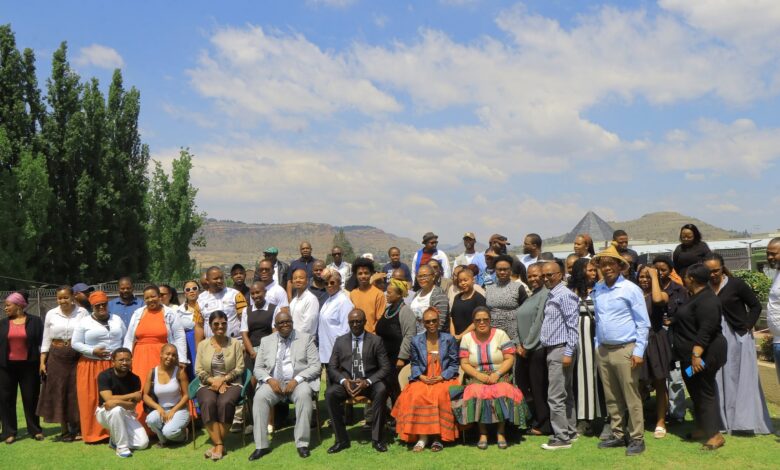
Lesotho is taking an important step towards strengthening its cultural and creative sector through a review of the Draft Cultural Policy and the Draft Arts and Culture Digital Roadmap. The initiative brings together the Ministry of Tourism, Sports, Arts and Culture, the Lesotho National Commission for UNESCO and the UNESCO Regional Office for Southern Africa to help establish a clear framework for the development of culture and the arts in the country. The review aims to improve the national project team’s understanding of the initiative, promote consistent approaches to data collection and classification and clarify the roles and responsibilities of those involved. These efforts are important for ensuring that cultural development plans respond to the needs of artists, cultural practitioners, communities and other stakeholders. As technology continues to change how people create, preserve and share cultural content, Lesotho has an opportunity to build a more coordinated, accessible and sustainable cultural sector.
The review of the Draft Cultural Policy provides an opportunity to examine how Lesotho can protect its cultural heritage while supporting the growth of contemporary artistic expression. Cultural policy helps establish the principles, priorities and responsibilities that guide government support for cultural activities and institutions. It can address areas such as heritage preservation, traditional knowledge, language, performing arts, visual arts, literature, crafts and cultural education. A clear policy can also help define how public institutions, private organisations and community groups contribute to the development of the sector. For Lesotho, cultural policy is particularly important because its traditions, languages, artistic practices and historical experiences form a significant part of the country’s national identity. A well-developed framework can support the preservation of these traditions while creating opportunities for new forms of creativity and cultural participation.
The Draft Arts and Culture Digital Roadmap focuses attention on the role of technology in developing the country’s creative industries. Digital tools have changed how artists produce work, communicate with audiences, promote events and distribute creative products. Musicians can reach listeners through online platforms, visual artists can display their work digitally and writers can share their publications with audiences beyond their immediate communities. Cultural institutions can also use digital technologies to document historical materials, preserve records and make information about heritage sites and artistic traditions more accessible. However, these opportunities depend on access to suitable technology, digital skills, reliable infrastructure and appropriate support systems. A clear digital roadmap can help Lesotho identify priorities and establish a coordinated approach to using technology for cultural preservation, creative production and economic development.
An important part of the review involves strengthening the national project team’s understanding of the project and ensuring that everyone works towards shared objectives. Large policy and planning initiatives require coordination among the institutions responsible for collecting information, analysing findings and preparing recommendations. Without a common understanding of the project’s purpose, different teams may interpret requirements differently or collect information that is difficult to compare. The review therefore provides an opportunity to clarify expectations, discuss implementation methods and improve cooperation among the participating organisations. This process can help ensure that the final policy and digital roadmap reflect a consistent vision for the country’s cultural and creative sector. It can also support more effective decision-making by establishing a clearer relationship between the project’s objectives, activities and expected outcomes.
Data collection and classification are central to developing policies that respond to real needs. Reliable information can help government institutions understand the size and diversity of the cultural sector, identify existing challenges and determine where support may be most effective. Relevant information could include the number and types of creative enterprises, the activities of cultural organisations, employment in the arts, access to digital tools and the condition of cultural heritage resources. Consistent classification methods would make it easier to compare information across different artistic disciplines and regions. They could also help distinguish between formal organisations, independent artists, community-based cultural groups and other participants in the creative economy. By improving the quality and consistency of cultural data, Lesotho can establish a stronger foundation for planning, monitoring progress and evaluating the impact of future programmes.
The clarification of roles and responsibilities is equally important for the successful implementation of the Cultural Policy and Arts and Culture Digital Roadmap. Each participating institution needs a clear understanding of its responsibilities, the resources available to it and the way its work connects with that of other organisations. Defined responsibilities can reduce duplication, improve communication and help resolve delays during implementation. They can also make it easier to identify which institutions should lead specific activities and how progress should be assessed. Cooperation between the Ministry of Tourism, Sports, Arts and Culture, the Lesotho National Commission for UNESCO and the UNESCO Regional Office for Southern Africa creates a basis for coordinated planning and technical collaboration. The effectiveness of this cooperation will depend on how clearly the agreed responsibilities are translated into practical actions after the review process.
The involvement of UNESCO adds an international dimension to Lesotho’s efforts to strengthen cultural development. UNESCO works with countries on issues involving cultural heritage, cultural diversity, education, knowledge and the role of culture in sustainable development. Its regional engagement can help national institutions consider relevant approaches while recognising the particular needs and circumstances of Lesotho. International cooperation can also encourage the exchange of experience and help policymakers understand how other countries address challenges in cultural preservation and digital development. However, successful policies must remain relevant to local communities and the people who create, maintain and share the country’s cultural traditions. The review therefore needs to support a framework that reflects Lesotho’s priorities while making effective use of available knowledge, partnerships and expertise.
The growth of the cultural and creative sector could also create economic opportunities for artists, craftspeople, performers, designers, musicians and other creative professionals. Cultural products and services can contribute to employment, tourism and small-business development when creators have access to appropriate markets and support. Digital platforms can help local artists reach new audiences, although online visibility alone does not guarantee income or long-term business success. Creative professionals may also need training in digital marketing, intellectual property, financial management and the safe distribution of their work. A coordinated cultural policy and digital roadmap could help identify these needs and guide the development of suitable programmes. By connecting cultural preservation with creative enterprise, Lesotho can work towards a sector that values its heritage while providing practical opportunities for people who earn a living through the arts.
Digital development must also account for unequal access to technology and the risk that some communities could be left behind. Artists and cultural organisations in rural areas may face different challenges from those operating in larger urban centres. Access to reliable internet services, suitable devices, technical training and funding can influence whether people benefit from digital opportunities. A successful roadmap should therefore consider how digital tools can serve communities with different resources and levels of technical experience. It should also recognise the importance of protecting cultural knowledge and respecting the rights of communities whose traditions are recorded or shared online. Careful planning can help ensure that digital development strengthens cultural participation instead of concentrating opportunities among organisations and individuals who already have better access to technology.
The review of the two draft documents represents an important stage in building a more structured approach to cultural development in Lesotho. Its focus on project understanding, data collection, classification and institutional responsibilities addresses practical issues that can influence whether policy goals become achievable programmes. The next steps will depend on the findings of the review, the quality of stakeholder engagement and the arrangements established for implementation. Clear priorities, measurable objectives and regular monitoring can help institutions assess progress and make adjustments when necessary. Continued engagement with artists, cultural organisations, communities and other relevant stakeholders will also be important in ensuring that the resulting frameworks address the realities of the sector. Strong implementation will require sustained cooperation, adequate resources and a shared commitment to cultural development.
Lesotho’s review of the Draft Cultural Policy and the Draft Arts and Culture Digital Roadmap signals a commitment to preparing its cultural and creative sector for changing social, economic and technological conditions. Through collaboration between the Ministry of Tourism, Sports, Arts and Culture, the Lesotho National Commission for UNESCO and the UNESCO Regional Office for Southern Africa, the initiative seeks to establish a clearer basis for planning and implementation. Better data, defined responsibilities and coordinated action can help strengthen cultural preservation, support creative professionals and expand access to cultural opportunities. The digital roadmap also offers a chance to explore how technology can help protect Lesotho’s heritage and connect its artists with wider audiences. Ultimately, the value of this initiative will depend on how effectively the reviewed frameworks are put into practice and how meaningfully they improve the lives of the people who sustain Lesotho’s cultural identity.
Join 'Lesotho News' WhatsApp Channel
Get breaking Lesotho news — delivered directly to your WhatsApp.
CLICK HERE TO JOIN