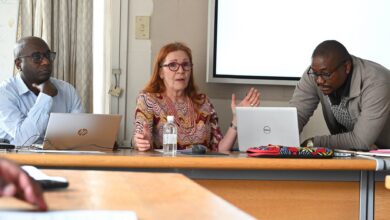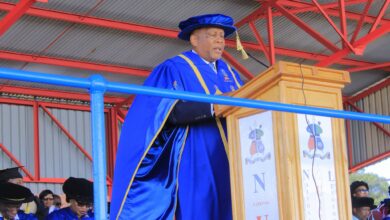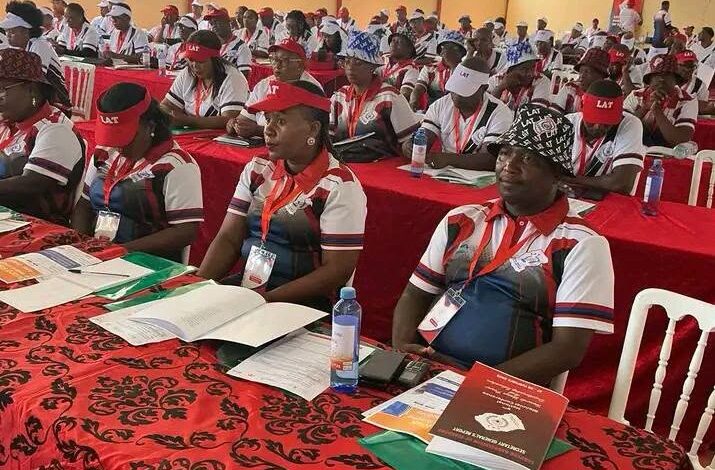
Teaching is far more than a basic job because it requires specialised knowledge, professional skills, ethical conduct and continuous dedication to the development of learners and society. The Lesotho Association of Teachers (LAT) reinforced this message as teachers joined the global community in celebrating World Teachers’ Day under the theme “Honouring Teachers. Strengthening the Profession, Building a Better Lesotho.” The occasion provided an opportunity to recognise the important work teachers perform in classrooms while also drawing attention to the conditions they need to perform their responsibilities effectively. Teachers influence how children understand the world, develop values and prepare for their future responsibilities. Recognising teaching as a respected profession is therefore central to building a strong and effective education system in Lesotho.
Teaching requires specialised skills that extend well beyond delivering information to learners. Teachers must understand their subjects, know how to communicate complex ideas and adapt their methods to different learning needs. They also need skills in classroom management, assessment, planning and learner support. Professional teachers must make decisions that affect the academic and personal development of children and young people. These responsibilities demonstrate why teaching requires preparation, professional judgement and continuous development rather than being treated as ordinary employment.
Teachers play a major role in shaping the future of Lesotho because education influences both individual opportunities and national development. A teacher can help a learner develop knowledge, confidence, discipline and a sense of responsibility. Teachers also help learners understand values that can influence how they participate in their families, communities and wider society. The work performed in classrooms can therefore have effects that extend far beyond the school environment. A strong teaching profession can contribute to the development of citizens who are better prepared to participate in the social and economic life of the country.
The Lesotho Association of Teachers emphasised that teachers do more than deliver lessons. They shape minds, nurture values, develop future generations and contribute to the social and economic development of the country. These responsibilities place teachers at the centre of efforts to improve education and strengthen communities. The quality of an education system depends heavily on whether teachers have the skills, resources and support required to perform these responsibilities. Treating teachers as skilled professionals is therefore an important part of improving the quality of education in Lesotho.
World Teachers’ Day also provides an opportunity to examine the challenges facing teachers. While teachers have significant responsibilities, many education systems continue to face shortages of qualified teaching personnel. Teacher shortages can increase workloads for existing educators and make it more difficult for schools to provide consistent support to learners. Policymakers therefore face the challenge of attracting new people to the profession while retaining experienced teachers. Addressing these challenges requires attention to working conditions, professional recognition, remuneration and opportunities for career development.
The call to make teaching more attractive is particularly important when considering the need to retain experienced educators. Teachers build knowledge and experience over years of working with learners, schools and communities. When experienced teachers leave the profession, education systems can lose valuable expertise that cannot always be replaced quickly. Creating conditions that encourage qualified teachers to remain in the profession can help schools maintain stability and strengthen teaching quality. It can also make teaching a more appealing career choice for young professionals considering their future.
Teacher salaries are one of the issues that require serious attention when discussing the future of the profession. According to the information presented around World Teachers’ Day, teachers in two out of five countries earn less than other professionals with comparable qualifications. Such disparities can affect the attractiveness of teaching as a career, particularly when educators face substantial responsibilities and workloads. Fair remuneration recognises the professional contribution teachers make while also supporting efforts to recruit and retain qualified personnel. Improving pay should therefore be considered alongside other measures aimed at strengthening the teaching profession.
Heavy workloads can also affect teachers and the quality of education they provide. A teacher’s responsibilities can include lesson preparation, classroom teaching, marking, assessment, administration and communication with parents or guardians. When these responsibilities become excessive, teachers may have less time to prepare effectively and provide individual support to learners. Workload management is therefore an important part of creating a sustainable teaching profession. Schools and policymakers need to consider whether teachers have enough time and resources to carry out their professional duties effectively.
Working conditions are another important part of the discussion about teacher support. Teachers need suitable environments in which they can prepare lessons, teach learners and carry out administrative responsibilities. Poor working environments can create additional difficulties for educators who are already managing demanding responsibilities. Improving schools and providing teachers with appropriate resources can support both professional performance and learner outcomes. Investment in education should therefore include attention to the conditions in which teachers work every day.
The call for teachers to participate directly in educational decision-making is also significant. Teachers work closely with learners and understand many of the practical challenges that affect classroom education. Their professional experience can provide valuable information when governments and education authorities develop policies or introduce reforms. Listening to teachers can help policymakers understand how decisions may affect schools and learners in practice. Including educators in education policy discussions can therefore strengthen the connection between policy development and classroom realities.
Teacher expertise should remain an important part of conversations about education reform. Policies can establish broad objectives, but teachers are responsible for implementing many of those decisions in classrooms. If educators have limited involvement in the development of policies, there is a risk that practical challenges may not receive enough attention. Consultation with teachers can help identify potential problems and develop approaches that are more suitable for different school environments. Recognising teacher expertise also reinforces the understanding that teaching is a profession requiring professional judgement.
The theme “Honouring Teachers. Strengthening the Profession, Building a Better Lesotho” connects recognition of teachers with the broader development of the country. Honouring teachers means acknowledging the responsibilities they carry and the contribution they make to learners and communities. Strengthening the profession requires practical action to address issues such as teacher shortages, salaries, workloads and working conditions. Building a better Lesotho depends partly on whether the education system can prepare young people with the knowledge and skills they need for their future. These three elements are therefore closely connected.
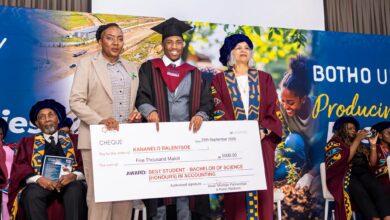
The awarding of certificates of appreciation to teachers and district branches during the event provided an opportunity to recognise contributions made within the teaching profession. Recognition can encourage educators by showing that their work is valued by their communities and professional organisations. Such gestures do not replace the need for appropriate salaries, good working conditions or effective professional support. However, public recognition can reinforce the importance of teaching and highlight the people who dedicate their careers to education. It can also help strengthen respect for teachers among learners, families and society.
The significance of World Teachers’ Day extends beyond celebrating teachers for one day each year. The occasion encourages governments, education authorities and communities to consider how teachers are supported and how the profession can develop. It provides a platform for discussing both the achievements of educators and the challenges that affect their work. These discussions are important because education systems depend on teachers to turn educational goals into daily classroom practice. World Teachers’ Day therefore serves as both a celebration and an opportunity to consider the future of teaching.
The year 2026 carries particular significance because it marks 60 years since the adoption of the International Labour Organization and UNESCO Recommendation concerning the Status of Teachers. The international standard recognised the rights, responsibilities and status of teachers and established an important framework for understanding the profession. Its anniversary provides an opportunity to reflect on the progress made in recognising teachers and the work that remains to strengthen their professional standing. The continued discussion about teacher pay, working conditions and professional participation shows that the principles behind the recommendation remain relevant. Respect for teachers requires more than words because professional recognition must be reflected in practical support.
The international perspective is important because teacher shortages and working conditions are not issues limited to one country. Education systems in different parts of the world face challenges in recruiting, supporting and retaining qualified teachers. Addressing these problems requires policies that recognise the complexity of teaching and the importance of professional development. Countries also need to consider how teachers can receive the resources and working environments necessary to serve diverse groups of learners. The global observance of World Teachers’ Day provides a common platform for discussing these challenges and recognising the importance of teachers worldwide.
Quality education depends on teachers who have the necessary knowledge, skills and support to do their work effectively. A curriculum can establish what learners should study, but teachers play a central role in helping learners understand and apply that knowledge. They also monitor progress, identify difficulties and adapt their teaching to meet different needs. Their professional decisions can influence whether learners remain engaged and develop confidence in their abilities. Supporting teachers is therefore an investment in the quality and equity of education itself.
Inclusive education also depends on a strong teaching profession. Learners come from different family backgrounds and have different abilities, learning needs and experiences. Teachers need appropriate training and resources to create classrooms where learners can participate and receive meaningful support. Professional development can help educators strengthen their ability to respond to these differences. Building an inclusive education system therefore requires teachers to be recognised as essential partners in achieving equal access to quality education.
The role of teachers in national development extends into the economic sphere as well. Education helps prepare people for employment, entrepreneurship and further learning. Teachers contribute to this process by developing the foundational knowledge and skills that learners need as they progress through education. A country with a strong education system can create better opportunities for its citizens to develop skills that contribute to economic activity. Strengthening the teaching profession is consequently connected to the broader goal of building human capacity in Lesotho.
The challenges facing teachers should not overshadow the value of the profession or the dedication of educators. Teachers continue to work with learners while managing professional responsibilities that require preparation, patience and sound judgement. Their work requires them to balance academic objectives with the social and developmental needs of learners. Recognising these demands can help society develop a more realistic understanding of what teaching involves. It can also encourage greater respect for educators and stronger support for the schools in which they work.
The future of education in Lesotho will depend partly on how the country treats its teachers. If teaching is recognised as a skilled profession, efforts to recruit qualified educators, retain experienced teachers and support professional development can receive greater attention. Policymakers can also benefit from listening directly to teachers when developing and implementing education policies. Improving salaries, reducing excessive workloads and creating better working environments can help address some of the challenges identified by teachers. These measures can strengthen the profession while supporting the delivery of quality education.
Teaching is not simply a way to earn a living because its responsibilities reach into the future of every society. Teachers educate learners, develop values, support personal growth and help prepare future generations to contribute to their communities and country. The message from the Lesotho Association of Teachers during World Teachers’ Day highlights the need to respect this responsibility through professional recognition and practical support. The 60th anniversary of the international recommendation on the status of teachers further provides an opportunity to reflect on the rights and responsibilities associated with the profession. For Lesotho to build a stronger education system, teachers must be treated as skilled professionals and essential partners in national development.
Join 'Lesotho News' WhatsApp Channel
Get breaking Lesotho news — delivered directly to your WhatsApp.
CLICK HERE TO JOIN