Lesotho is strengthening its institutional capacity to participate more effectively in tariff-setting and trade-remedy processes within the Southern African Customs Union (SACU). The government is implementing a technical support programme designed to improve national coordination, evidence gathering, stakeholder consultation and knowledge management around trade matters. The initiative comes as tariff decisions continue to affect businesses, consumers, investment, employment, exports and value chains across the economy. Stronger national systems can help Lesotho assess trade issues more effectively and ensure that its interests are properly considered within regional processes. The programme also places greater emphasis on reliable information and coordinated decision-making as the country works to support economic development, industrialisation and competitiveness.
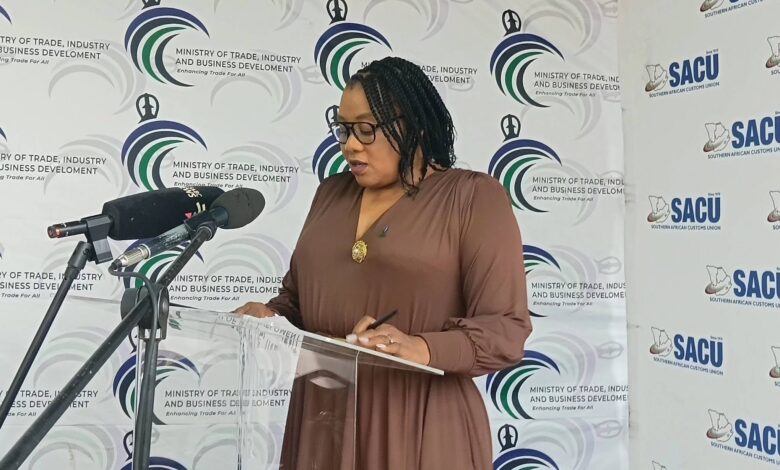
Speaking at a five-day workshop, Principal Secretary Mrs Palesa Matobako emphasised the importance of strengthening institutional capacity and coordination across government. She pointed to the need for effective information systems that can support officials when assessing tariff-related matters and preparing national positions. Tariff decisions can have consequences well beyond customs administration because changes can influence the cost of imported goods, production inputs and finished products. They can also affect businesses that compete with imported products as well as companies that depend on imported materials for manufacturing and other economic activities. This makes accurate information, proper consultation and coordinated government input important components of Lesotho’s participation in SACU processes.
The technical support programme is focused on creating stronger systems that allow Lesotho to gather and use evidence when dealing with tariff applications and trade remedies. Evidence can help government institutions understand how proposed tariff changes may affect different parts of the economy before decisions are taken. This includes considering the interests of businesses, consumers, workers, investors and industries that form part of national and regional value chains. Effective consultation can also provide government with information from companies and other stakeholders that may not be available through administrative data alone. By improving these processes, Lesotho can strengthen the quality of the information that informs its participation in regional trade discussions.
Director of the One Stop Facilitation Centre, Mr Monaheng Monaheng, highlighted progress already made through the development of a national roadmap and a coordination team. The programme also includes a review of existing legal, policy and institutional frameworks connected to tariff and trade-remedy matters. Reviewing these arrangements can help identify gaps, overlaps and areas where government institutions need clearer responsibilities. A coordinated national structure can also make it easier for different departments and agencies to share information and contribute to the preparation of national positions. The development of the roadmap therefore represents an important step towards creating a more organised and consistent approach to SACU tariff processes.
The role of the national coordination team is particularly important because tariff matters can involve several areas of government and different parts of the economy. Trade policy decisions may require information relating to industry, production, imports, exports, employment, investment and consumer interests. Without effective coordination, important information can remain within individual institutions and may not reach officials responsible for preparing national submissions or responses. A structured coordination mechanism can help bring this information together and support a more complete assessment of tariff applications. It can also help ensure that national institutions understand their respective roles and timelines when responding to regional processes.
SACU Tariff Board Coordinator and Risk Manager Mr Thuto Mathetsa said the support programme is intended to strengthen existing arrangements rather than replace them. The objective is to enable Lesotho to effectively initiate and respond to tariff applications within SACU. This is significant because participation in regional trade processes requires national institutions to have the capacity to identify relevant issues, prepare evidence and engage with established procedures. Building that capacity can allow Lesotho to respond more efficiently when tariff matters arise. It can also support the country’s ability to put forward applications when changes are considered necessary for particular sectors or economic circumstances.
Tariff-setting can have wide-ranging economic effects because tariffs influence the conditions under which goods enter and move through markets. Depending on the product and the circumstances, tariff changes can affect the cost of imported inputs, the competitiveness of local producers and the prices faced by consumers. Businesses that rely on imported raw materials may experience different effects from producers seeking protection from competing imports. Export-oriented companies can also be affected indirectly when tariff structures influence the cost and availability of inputs. This means Lesotho needs reliable economic information to understand the potential consequences of different tariff proposals before participating in regional decisions.
The initiative also places significant emphasis on trade-remedy processes. Trade remedies are mechanisms that can address specific circumstances involving imports and their effects on domestic industries, subject to applicable rules and procedures. For Lesotho to participate effectively, government institutions need the ability to collect relevant information, assess evidence and coordinate responses within the SACU framework. This requires technical knowledge as well as institutional systems that preserve information and support consistent decision-making. Strengthening these capabilities can help ensure that Lesotho is better prepared when trade-remedy matters affect sectors operating within the country’s economy.
Digitisation forms another important part of the programme. Improved digital systems can help government institutions organise tariff-related information, maintain records and make relevant data easier to access. Effective information management can also reduce the risk of institutional knowledge being lost when officials change roles or leave government. This is especially important for specialised trade processes that require experience and familiarity with regional procedures. By preserving knowledge in structured systems, institutions can build continuity and improve their ability to handle future tariff and trade-remedy matters.
Knowledge sharing is also expected to contribute to stronger trade intelligence. Government officials need access to relevant information when assessing developments that could affect Lesotho’s economy and its participation in SACU. Better systems can support the collection, organisation and sharing of information across institutions rather than leaving knowledge in separate departments or individual files. This can make it easier to identify trends and prepare evidence for consultations and applications. Over time, stronger knowledge management can help create a more consistent institutional understanding of tariff and trade-remedy processes.
The programme comes at a time when Lesotho is seeking to strengthen its role in regional economic integration and support domestic industrialisation. SACU provides a framework through which member states cooperate on customs and trade matters, making effective national participation important for countries seeking to advance their economic interests within the regional bloc. For Lesotho, stronger tariff-setting capacity can support a more informed approach to policies affecting domestic production and trade. It can also help institutions engage more effectively with businesses and other stakeholders when regional trade measures are being considered. Building this capacity is therefore connected to broader efforts to strengthen competitiveness and expand economic opportunities.
For businesses, improved government capacity can create a clearer process for engaging on tariff-related matters. Companies and industry representatives can provide information about production costs, imported inputs, market conditions and potential effects on employment or investment. When government has stronger consultation and evidence-gathering systems, such information can be incorporated more effectively into national assessments. This does not mean that every stakeholder will have the same interests or that every request will lead to a tariff change. It does mean that government institutions can have better information available when assessing the economic implications of different proposals.
Consumers are also affected by tariff decisions, making public-interest considerations relevant to the process. Changes in tariffs can influence the cost of certain imported products and inputs used in domestic production. At the same time, tariff measures can affect local producers and employment by changing competitive conditions in domestic markets. Government therefore needs to consider different economic effects when developing or responding to tariff applications. Stronger evidence gathering and consultation can provide a broader basis for assessing these impacts rather than relying on limited information.
The development of a national roadmap, coordination team and strengthened information systems provides Lesotho with a framework for improving its participation in SACU tariff processes. The review of legal, policy and institutional arrangements can help ensure that the systems supporting this work remain aligned with national responsibilities and regional requirements. Continued training and knowledge sharing will also be important as tariff and trade-remedy processes require specialised expertise. The five-day workshop represents part of a broader effort to build this capability rather than a single, isolated intervention. Sustained coordination will be needed to turn the programme’s objectives into long-term institutional practice.
Lesotho’s efforts to strengthen SACU tariff and trade-remedy capacity ultimately reflect the importance of informed participation in regional trade decision-making. The government is working to improve coordination, evidence gathering, consultation, digitisation and institutional knowledge so that national institutions can respond more effectively to tariff matters. These improvements can support businesses, consumers and industries by giving policymakers better information about the potential effects of trade decisions. They can also contribute to the country’s wider objectives of economic development, industrialisation and competitiveness. By strengthening the systems behind its participation in SACU processes, Lesotho is building a more coordinated institutional foundation for engaging with regional trade policy and responding to future economic opportunities and challenges.
Join 'Lesotho News' WhatsApp Channel
Get breaking Lesotho news — delivered directly to your WhatsApp.
CLICK HERE TO JOIN