Lesotho Explores Sierra Leone’s Youth Empowerment Model Through UNDP Learning Exchange
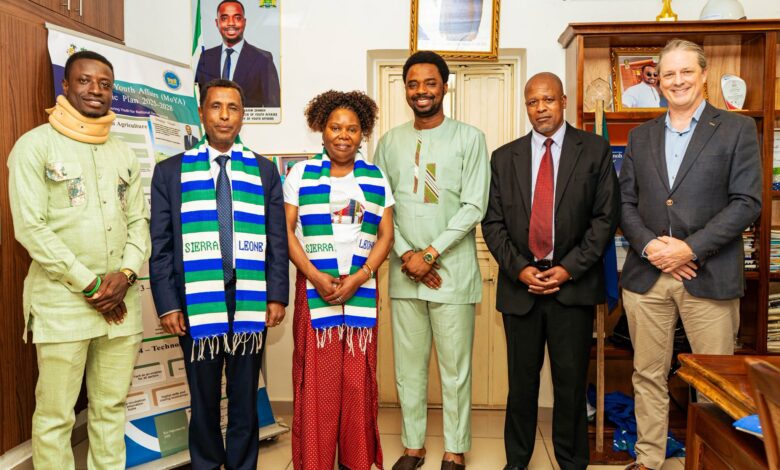
Lesotho has taken another important step toward strengthening youth empowerment by participating in a learning exchange with Sierra Leone, where government officials and development partners shared innovative approaches to supporting young people. The visit, led by the Ministry of Youth alongside the United Nations Development Programme (UNDP) Lesotho team, focused on understanding how strategic partnerships and government development financing can create meaningful opportunities for youth. The exchange highlighted successful initiatives that have helped improve youth participation, employment and leadership in Sierra Leone. It also provided Lesotho with valuable insights into policies and programmes that could be adapted to meet the needs of its own young population. As countries across Africa continue searching for sustainable solutions to youth unemployment and economic inclusion, such collaborations play a vital role in sharing best practices and strengthening regional cooperation.
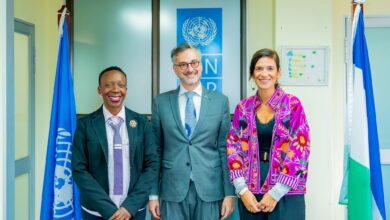
During the visit, the Lesotho delegation met with Sierra Leone’s Minister of Youth, Ibrahim Sannoh, who outlined the country’s collaborative approach to advancing youth development. He emphasized the strong partnership between UNDP Sierra Leone and the Ministry of Youth, explaining how both institutions have worked together to design, fund and implement scalable programmes that deliver lasting benefits for young people. Rather than working independently, the government and UNDP have adopted a co-creation and co-investment model that combines expertise, financial resources and technical support. This collaborative strategy has enabled Sierra Leone to implement initiatives that respond directly to the evolving needs of young people while ensuring long-term sustainability. The discussion demonstrated how effective partnerships can strengthen public policy and improve the impact of youth development programmes.
One of the key topics presented during the exchange was Sierra Leone’s comprehensive policy framework for youth empowerment. The National Youth Policy serves as a strategic guide for addressing the challenges facing young people while promoting education, employment, entrepreneurship and civic participation. Complementing this framework is the Status of Youth Report, which provides evidence-based data to help policymakers understand the conditions affecting young people and develop targeted interventions. These documents allow government institutions and development partners to make informed decisions based on reliable research and measurable outcomes. For the Lesotho delegation, the importance of using data-driven planning and regular policy reviews offered valuable lessons that could support the development of more effective youth programmes at home.
The discussions also explored Sierra Leone’s commitment to the Youth, Peace and Security Agenda, which recognizes young people as important contributors to peacebuilding, conflict prevention and national development. This agenda encourages governments to create spaces where youth can actively participate in decision-making processes while promoting social cohesion and inclusive governance. Empowering young people to become leaders within their communities helps reduce social inequalities and strengthens democratic participation. Sierra Leone’s experience demonstrated that investing in youth leadership not only benefits individuals but also contributes to long-term national stability and economic growth. These lessons resonated strongly with the visiting delegation, particularly as Lesotho continues to explore strategies that encourage greater youth participation in national development.
Another important example of successful collaboration highlighted during the visit was the recently concluded Mano River Union YouthConnekt Forum. The forum brought together young leaders, entrepreneurs, policymakers and development partners to exchange ideas, build networks and explore opportunities for innovation and economic growth. Such regional platforms help young people develop valuable skills while encouraging cross-border cooperation and knowledge sharing. Events like YouthConnekt also create opportunities for governments to better understand the aspirations and challenges facing youth across the region. The Lesotho delegation gained important insights into how regional engagement can complement national youth development strategies and expand opportunities for young people beyond their own borders.
One of the most practical aspects of the learning exchange was the delegation’s visit to the holding centre for 50 electric vehicles procured through a pilot initiative jointly funded by UNDP Sierra Leone and the Ministry of Youth. The project aims to promote green mobility while creating employment opportunities for young people, with a particular focus on empowering young women. By investing in environmentally sustainable transport solutions, the initiative addresses both economic development and climate action objectives. The electric vehicle programme demonstrates how innovation can generate new employment sectors while supporting the transition toward cleaner and more sustainable economies. For Lesotho, the project offered an inspiring example of how youth empowerment can be integrated with environmental sustainability and technological advancement.
The emphasis on creating opportunities for young women was another important feature of the electric vehicle initiative. Across many African countries, young women continue to face greater barriers to employment, access to finance and participation in emerging industries. Sierra Leone’s approach seeks to address these challenges by ensuring that women benefit directly from new economic opportunities created through green technology investments. Encouraging female participation in sectors traditionally dominated by men helps promote gender equality while expanding the country’s skilled workforce. The Lesotho delegation observed how targeted programmes can create more inclusive economic growth by ensuring that no group is left behind.
The learning exchange reinforced the value of international cooperation in addressing common development challenges affecting young people across Africa. By studying successful programmes implemented in Sierra Leone, Lesotho has gained practical knowledge that could inform future policy development and investment decisions. The visit highlighted the importance of strong government leadership, effective partnerships with development organizations and innovative financing models that support long-term youth empowerment. It also demonstrated how combining policy development with practical employment initiatives can deliver measurable benefits for young people and national economies. As Lesotho continues strengthening its youth development agenda, the lessons learned from Sierra Leone provide a valuable foundation for future collaboration and innovation.
The Ministry of Youth and the UNDP Lesotho team’s visit to Sierra Leone represents more than a simple exchange of ideas. It reflects a shared commitment to creating sustainable opportunities that empower young people to contribute meaningfully to their communities and national development. From progressive youth policies and evidence-based planning to peacebuilding initiatives, regional cooperation and green mobility projects, Sierra Leone has demonstrated how coordinated partnerships can produce lasting results. The electric vehicle pilot project further illustrates how innovation, environmental sustainability and job creation can work together to transform the lives of young people, especially young women. As Lesotho applies these valuable lessons, continued collaboration with regional partners and development organizations will be essential in building a stronger, more inclusive future for its youth.
Join 'Lesotho News' WhatsApp Channel
Get breaking Lesotho news — delivered directly to your WhatsApp.
CLICK HERE TO JOIN