Lesotho High Commission in London Hosts Inaugural Diaspora Investment Forum to Boost National Development

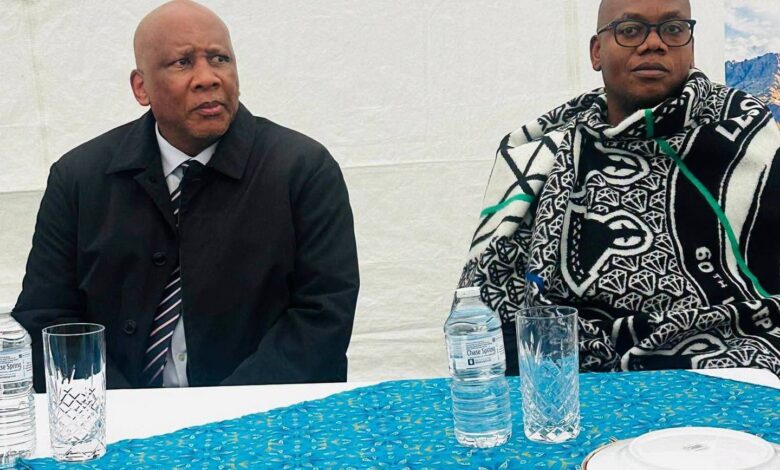
The Lesotho High Commission in London has marked an important milestone in strengthening ties between the Government of Lesotho and Basotho living abroad by convening its inaugural Diaspora Investment Forum in the United Kingdom. The event brought together members of the Basotho diaspora and representatives of the Government of Lesotho to explore practical ways to support investment, skills transfer and national development. The Forum was established to provide a structured platform where Basotho living in the United Kingdom could engage directly with government representatives on economic opportunities and the challenges they face when seeking to contribute to their homeland. It also aimed to identify sustainable mechanisms for turning diaspora participation into a measurable contribution to Lesotho’s economic growth. The initiative reflects a growing recognition of the role that citizens living abroad can play in creating business opportunities, sharing professional expertise and supporting the country’s long-term development.
Participants welcomed the inaugural Diaspora Investment Forum as a timely initiative that responded to the aspirations and concerns of Basotho living in the United Kingdom. The discussions provided an opportunity for members of the diaspora to share their experiences, identify barriers to participation and propose practical measures to strengthen their connection with Lesotho. Many Basotho abroad maintain personal, cultural and economic ties to their homeland, which can provide a foundation for investment and collaboration. However, turning these connections into sustained economic contributions requires clear processes, accessible information and effective communication between the diaspora and government institutions. The Forum created a space for these issues to be discussed directly, with participants presenting five key proposals aimed at improving diaspora engagement and supporting national development.
One of the central proposals was the establishment of a Diaspora Investment Fund to provide a structured way for Basotho living abroad to invest in projects in Lesotho. Such a fund could offer a dedicated channel through which diaspora members contribute capital to eligible business ventures and development initiatives, depending on its eventual design and governance arrangements. A clear investment framework would need to explain how funds are collected, managed and allocated, as well as how investors receive information about performance and risks. Transparency, accountability and sound financial management would be essential to building confidence among potential contributors. Although the proposal was raised during the Forum, its implementation would depend on further consideration by the relevant authorities and the development of an appropriate operating model.
Participants also proposed the creation of a dedicated Diaspora Desk to improve communication between Basotho living abroad and the Government of Lesotho. Such a desk could serve as a central point of contact for people seeking information about investment opportunities, government programmes, business registration and other matters related to their involvement in national development. A clearly defined service could also help government institutions better understand the concerns and expectations of citizens abroad. For many prospective investors, knowing where to obtain reliable information and how to navigate administrative processes can influence their willingness to commit resources. Establishing a dedicated Diaspora Desk could therefore help reduce confusion, strengthen trust and make engagement between the diaspora and government more consistent.
The development of skills transfer programmes emerged as another important recommendation. Basotho living in the United Kingdom work and study in a range of professional and technical fields, and their knowledge could support capacity-building efforts in Lesotho. Structured programmes could create opportunities for professionals to share expertise through training, mentoring, short-term assignments and collaboration with local institutions or businesses. These exchanges could help strengthen professional skills, encourage innovation and improve access to specialised knowledge in sectors where additional expertise is needed. Effective programmes would require coordination between the diaspora, relevant institutions and potential beneficiaries in Lesotho to ensure that knowledge-sharing activities respond to actual needs. By creating organised pathways for skills transfer, the country could benefit from the experience of its citizens abroad while maintaining stronger professional links with the diaspora.
The fourth proposal focused on introducing a one-stop service for diaspora-related matters. This approach could bring relevant information and services together, making it easier for Basotho abroad to understand the procedures involved in investing, accessing government support and participating in development initiatives. Without a coordinated system, individuals may need to contact several institutions to obtain information or complete administrative processes. A central service could help clarify requirements, direct enquiries to the appropriate authorities and improve communication between government departments. Its effectiveness would depend on cooperation among the institutions involved, clear service standards and regular updates on available opportunities and procedures. For Basotho living far from home, a reliable one-stop service could make engagement with Lesotho more accessible and practical.
Participants further called for the formal recognition of the diaspora as a measurable contributor to Lesotho’s economic development. This proposal emphasised the need to understand and assess the different ways Basotho abroad can support their homeland through investment, skills transfer, business partnerships and other forms of participation. Recognising these contributions could help the Government develop policies and programmes that respond more directly to the needs and capacities of the diaspora. It could also provide a clearer basis for measuring progress and identifying which initiatives produce meaningful economic and social benefits. Any assessment would need to use appropriate indicators and reliable information while respecting the privacy of individuals. Treating diaspora engagement as a measurable part of national development planning could help move the relationship beyond occasional events towards a more structured and sustained partnership.
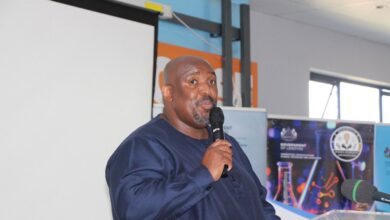
Honourable Lejone Mpotjoane attended the Forum on behalf of the Minister of Foreign Affairs and International Relations, Honourable Limpho Tau. He acknowledged the concerns and recommendations raised by participants and reaffirmed the Government’s commitment to addressing them for the benefit of Basotho and Lesotho. His participation provided an opportunity for members of the diaspora to communicate their priorities directly to a government representative. The discussions highlighted the importance of listening to citizens abroad and considering their experiences when developing policies that affect their participation in national development. Turning the recommendations into practical outcomes will require continued dialogue, institutional coordination and decisions on how the proposed measures can be implemented. The Government’s stated commitment provides a basis for further engagement, although the proposals remain distinct from confirmed policies or established programmes unless formally adopted.
Mpotjoane also noted that a proposed Homecoming Event and the development of a new Migration Model could form part of broader efforts to strengthen engagement with Basotho living abroad. A Homecoming Event could provide an opportunity for members of the diaspora to reconnect with their homeland, explore investment prospects and engage with institutions involved in national development. Depending on its structure, it could also support networking between returning Basotho, local entrepreneurs and potential business partners. The proposed Migration Model could contribute to wider discussions about how Lesotho engages with citizens who live outside the country and how their skills, experience and resources can support development. Further details about these initiatives were not specified at the Forum, but their inclusion in the discussions reflects an interest in developing more coordinated approaches to diaspora relations.
Participants expressed a strong desire for the Diaspora Investment Forum to become an annual event. Regular meetings could provide a dependable platform for dialogue between the Government of Lesotho and Basotho communities in the United Kingdom. An annual forum could also allow participants to review progress on previous recommendations, discuss emerging investment opportunities and identify new areas for cooperation. Consistency would be important because building investor confidence and establishing productive partnerships often require ongoing communication rather than a single meeting. If the proposal is taken forward, future forums could help maintain momentum and provide a setting for assessing whether agreed priorities are translating into practical action. The request for an annual event demonstrates participants’ interest in maintaining an active relationship with the Government and contributing to Lesotho’s development over time.
The Forum also provided a platform to showcase investment opportunities in Lesotho through presentations by representatives of the Competitiveness and Financial Inclusion Project, known as CAFI, the Lesotho National Development Corporation, or LNDC, and the Basotho Enterprises Development Corporation, or BEDCO. These organisations presented information on key investment sectors and encouraged Basotho living abroad to consider investing in their homeland. Their participation helped connect the broader discussion about diaspora engagement with the practical question of how interested individuals can explore business opportunities. For prospective investors, information about investment conditions, available support and potential sectors can help them assess whether a project aligns with their resources and objectives. Continued engagement with these institutions could help diaspora members move from initial interest towards more detailed enquiries and investment planning.
The involvement of CAFI, LNDC and BEDCO also highlighted the importance of connecting diaspora investment with Lesotho’s existing business development and investment support structures. Members of the diaspora may have access to capital, professional networks and international market experience that can complement local entrepreneurial activity. However, successful investment depends on more than willingness to contribute financially. Prospective investors need clear information, appropriate business support and an understanding of the opportunities and risks associated with particular ventures. Collaboration between diaspora members and institutions in Lesotho could help establish stronger links between overseas resources and local business needs. By encouraging Basotho abroad to explore investment in their homeland, the Forum sought to strengthen the relationship between diaspora participation and domestic economic activity.
The event concluded with a celebration of Lesotho’s 60th Independence Anniversary, attended by His Majesty King Letsie III. The celebration added a national dimension to the Forum, bringing together discussions about economic development with a shared recognition of Lesotho’s independence and identity. For Basotho living in the United Kingdom, the occasion provided an opportunity to express their connection to their homeland while engaging with representatives of the country’s institutions. The gathering highlighted the importance of unity, patriotism and a shared commitment to Lesotho’s prosperity. It also reinforced the idea that national development can involve citizens both within the country and across international borders. The combination of investment discussions and the Independence Anniversary celebration underscored the relationship between national identity and practical efforts to support economic progress.
The inaugural Diaspora Investment Forum in London has created an important platform for discussing how Basotho living abroad can contribute more directly to Lesotho’s economic future. Its five key proposals, covering a Diaspora Investment Fund, a dedicated Diaspora Desk, skills transfer programmes, a one-stop service and formal recognition of diaspora contributions, provide a framework for further consideration and engagement. The Government’s response, together with the proposed Homecoming Event and new Migration Model, points to areas where future cooperation could develop. Presentations by CAFI, LNDC and BEDCO also helped connect the discussion to investment opportunities and business support in Lesotho. The next step will be to determine how the proposals can be assessed, developed and implemented in ways that build trust and deliver measurable benefits. If sustained through practical action and regular dialogue, the Forum could become a valuable mechanism for strengthening ties with the Basotho diaspora and mobilising the skills, experience and investment needed to support Lesotho’s development and prosperity.
Join 'Lesotho News' WhatsApp Channel
Get breaking Lesotho news — delivered directly to your WhatsApp.
CLICK HERE TO JOIN