Lesotho Strengthens AU–UN Relations as UNOAU Praises Human-Centred Diplomatic Approach

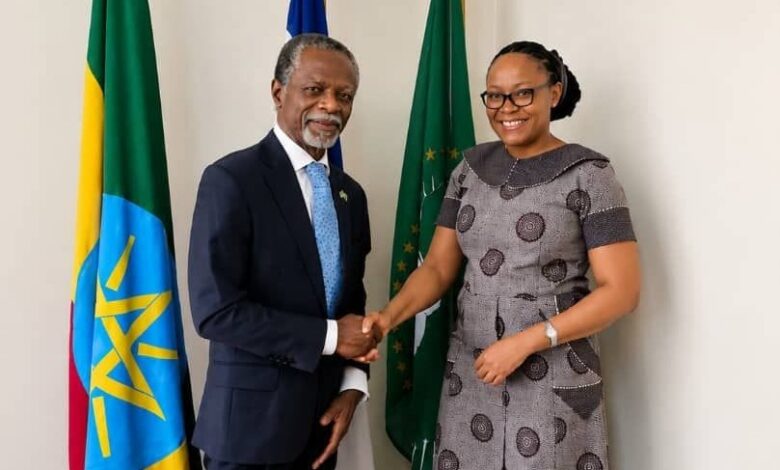
The United Nations has commended Lesotho for its evolving diplomatic approach during high-level discussions held at the Embassy of Lesotho in Addis Ababa, Ethiopia. The meeting brought together senior officials from the United Nations Office to the African Union and Lesotho’s diplomatic mission to the African Union and the United Nations Economic Commission for Africa. The engagement focused on strengthening cooperation between the African Union and the United Nations in addressing peace, governance and development challenges across the continent. The discussions highlighted the importance of coordinated multilateral action in responding to Africa’s complex security and socio-economic priorities. The recognition of Lesotho’s diplomatic posture marks an important moment in the country’s international engagement strategy.
The United Nations Special Representative of the Secretary-General to the African Union and Head of the United Nations Office to the African Union, Mr Parfait Onanga-Anyanga, praised Lesotho’s diplomatic style during the talks. He described it as increasingly human-centred, implementation-oriented and grounded in accountability and practical outcomes. His remarks reflected appreciation for Lesotho’s focus on translating diplomatic commitments into measurable results. The discussions took place in a context where global institutions are increasingly seeking practical cooperation rather than symbolic agreements. His assessment placed emphasis on the importance of diplomacy that directly responds to the needs of people affected by conflict and underdevelopment. This perspective aligns with broader reforms within international cooperation frameworks.
Lesotho’s delegation was led by Ambassador Ntšiuoa Sekete, who serves as Lesotho’s Ambassador to Ethiopia and Permanent Representative to the African Union and the United Nations Economic Commission for Africa. The discussions covered a wide range of issues, including continental peace and security, multilateral cooperation and institutional coordination between the African Union and the United Nations. Both sides explored ways to strengthen collaboration in advancing Africa’s peace, governance and development agenda. The meeting also served as a platform to assess progress in ongoing joint initiatives and identify areas requiring deeper engagement. The dialogue reflected a shared commitment to strengthening multilateral systems and ensuring more effective coordination between regional and global institutions.
Mr Onanga-Anyanga outlined several priority areas that require continued political commitment and sustained cooperation. These included the operationalisation of the Africa Standby Force, which remains a key instrument for rapid response to conflicts on the continent. He also emphasized the need for enhanced support and protection for children affected by armed conflict, highlighting the human cost of instability. Strengthening normative and governance frameworks was another central focus, aimed at improving accountability and institutional resilience across African states. He further underscored the importance of deepening collaboration with African members of the United Nations Security Council, known as the A3, to ensure that African perspectives are reflected in global decision-making processes. Reinforcing cooperation between the African Union Peace and Security Council and the United Nations Security Council was also identified as a critical priority for maintaining international peace and security.
The discussions also placed strong emphasis on preventive diplomacy as a key tool for addressing emerging conflicts before they escalate. Both sides acknowledged the importance of inclusive governance in building stable and resilient societies across Africa. Youth empowerment was highlighted as a crucial factor in ensuring long-term peace and development, given the continent’s young population. Institutional partnerships were also discussed as essential mechanisms for improving coordination and resource sharing between organizations. These priorities reflect a broader understanding that sustainable peace requires both political commitment and practical implementation at all levels of governance.
Ambassador Sekete reaffirmed Lesotho’s commitment to constructive engagement within both the African Union and United Nations systems. She emphasized the country’s dedication to supporting peacebuilding initiatives, strengthening multilateral cooperation and advancing the implementation of Agenda 2063, the African Union’s long-term development blueprint. Her remarks highlighted Lesotho’s continued role as an active participant in regional and global diplomatic processes. She also expressed appreciation for the ongoing support provided by the United Nations Office to the African Union in facilitating cooperation between the two institutions. This recognition underscored the importance of sustained collaboration in addressing Africa’s development and security challenges.
The engagement between the two sides reinforced the importance of coordinated action in achieving shared continental and global objectives. It also demonstrated the value of sustained diplomatic dialogue in addressing complex challenges affecting peace and development across Africa. The recognition of Lesotho’s approach by Mr Parfait Onanga-Anyanga reflects growing confidence in the country’s contribution to multilateral diplomacy. The meeting further strengthened the relationship between Lesotho, the African Union and the United Nations, creating a foundation for deeper cooperation in the future. As continental priorities continue to evolve, this partnership is expected to play a key role in shaping more effective responses to Africa’s peace, governance and development needs.
Join 'Lesotho News' WhatsApp Channel
Get breaking Lesotho news — delivered directly to your WhatsApp.
CLICK HERE TO JOIN